
Kelley Sullivan
LCSWColorado · 19 yrs exp
LCSW - Anxiety and relationship concerns
Stress, Anxiety · Relationship · Trauma and abuse · Grief · +12 more
Read profileTherapist listings are provided by BetterHelp. We will earn a commission at no additional cost to you if you use our links to purchase.
Welcome to the Colorado online therapy directory. All therapists listed here are licensed to practice in Colorado. Explore profiles to learn about approaches, languages, and focus areas and find a match for your needs.
Colorado · 19 yrs exp
LCSW - Anxiety and relationship concerns
Stress, Anxiety · Relationship · Trauma and abuse · Grief · +12 more
Read profile
Colorado · 11 yrs exp
LPC counselor - anxiety and life transitions
Stress, Anxiety · LGBT · Trauma and abuse · Anger · +15 more
Read profile
Colorado · 9 yrs exp
Licensed Clinical Social Worker - Anxiety and relationships
Stress, Anxiety · Relationship · Grief · Depression · +11 more
Read profile
Colorado · 19 yrs exp
Licensed Professional Counselor - anxiety and life changes
Stress, Anxiety · Addictions · Self esteem · Depression · +14 more
Read profile
Colorado · 15 yrs exp
LCSW - Anxiety and life transitions
Stress, Anxiety · Grief · Depression · Coping with life changes · +10 more
Read profile
Colorado · 13 yrs exp
Licensed Marriage and Family Therapist - Anxiety and Relationships
Stress, Anxiety · LGBT · Relationship · Trauma and abuse · +10 more
Read profile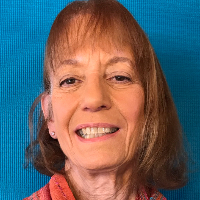
Colorado · 15 yrs exp
Licensed Professional Counselor - Anxiety and Trauma
Stress, Anxiety · Addictions · Trauma and abuse · Anger · +6 more
Read profile
Colorado · 17 yrs exp
LPC in Colorado - anxiety and family concerns
Stress, Anxiety · Family · Trauma and abuse · Parenting · +13 more
Read profile
Colorado · 26 yrs exp
Licensed Professional Counselor - Anxiety and Family concerns
Stress, Anxiety · Family · Trauma and abuse · Parenting · +9 more
Read profile
Colorado · 7 yrs exp
Licensed counselor - anxiety and trauma
Stress, Anxiety · Addictions · Grief · Coping with life changes · +7 more
Read profile
Colorado · 7 yrs exp
LPC counselor - anxiety and relationships
Stress, Anxiety · Relationship · Family · Anger · +4 more
Read profile
Colorado · 12 yrs exp
Licensed Professional Counselor - Parenting and Self-esteem
Parenting · Self esteem · Career · Depression · +1 more
Read profile
Colorado · 7 yrs exp
LPC - Anxiety and Trauma focused
Stress, Anxiety · Trauma and abuse · Grief · Self esteem · +3 more
Read profile
Colorado · 9 yrs exp
LCSW counselor - Anxiety and relationships
Stress, Anxiety · Addictions · Relationship · Depression · +1 more
Read profile
Colorado · 7 yrs exp
Licensed counselor - Anxiety and life changes
Stress, Anxiety · Self esteem · Depression · Coping with life changes
Read profile
Colorado · 30 yrs exp
LCSW - grief and anxiety support
Stress, Anxiety · Trauma and abuse · Grief · Self esteem · +1 more
Read profile
Colorado · 3 yrs exp
LCSW - Anxiety and mood concerns
Stress, Anxiety · Trauma and abuse · Self esteem · Depression · +1 more
Read profile
Colorado · 13 yrs exp
LCSW in Colorado - anxiety and mood concerns
Stress, Anxiety · Trauma and abuse · Self esteem · Bipolar · +1 more
Read profile
Colorado · 5 yrs exp
Licensed Professional Counselor - Anxiety and Life Change
Stress, Anxiety · Trauma and abuse · Anger · Depression · +1 more
Read profile
Colorado · 5 yrs exp
LCSW - Anxiety and family concerns
Stress, Anxiety · Family · Parenting · Self esteem · +1 more
Read profile
Colorado · 9 yrs exp
LPC in Colorado - Anxiety and relationships
Stress, Anxiety · Relationship · Intimacy-related issues · Anger · +1 more
Read profile
Colorado · 16 yrs exp
LCSW - Anxiety and life transitions
Stress, Anxiety · Family · Career · Bipolar · +1 more
Read profile
Colorado · 4 yrs exp
Licensed Clinical Social Worker - Anxiety and Addictions
Stress, Anxiety · Addictions · Self esteem · Depression · +1 more
Read profile
Colorado · 10 yrs exp
LCSW - Anxiety and life changes
Stress, Anxiety · Trauma and abuse · Self esteem · Depression · +1 more
Read profile
Colorado · 24 yrs exp
LPC in Colorado - Anxiety and relationships
Stress, Anxiety · Addictions · Parenting · Career · +11 more
Read profile
Colorado · 12 yrs exp
Licensed Professional Counselor - Anxiety and Addictions
Stress, Anxiety · Addictions · Trauma and abuse · Self esteem · +5 more
Read profile
Colorado · 14 yrs exp
Licensed Professional Counselor - Anxiety and Trauma
Stress, Anxiety · Addictions · Relationship · Trauma and abuse · +8 more
Read profile
Colorado · 7 yrs exp
Licensed Clinical Social Worker - Anxiety and Stress
Stress, Anxiety · Self esteem · Career · Coping with life changes · +11 more
Read profile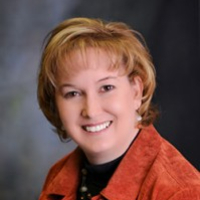
Colorado · 20 yrs exp
Licensed Professional Counselor - Anxiety and Addictions
Stress, Anxiety · Addictions · Self esteem · Depression · +15 more
Read profile
Colorado · 15 yrs exp
Licensed counselor - Anxiety and family concerns
Stress, Anxiety · Family · Trauma and abuse · Parenting · +11 more
Read profile
Colorado · 25 yrs exp
LPC counselor - anxiety and trauma
Stress, Anxiety · Trauma and abuse · Eating · Parenting · +15 more
Read profile
Colorado · 15 yrs exp
Licensed Professional Counselor - Anxiety and Relationships
Stress, Anxiety · Trauma and abuse · Parenting · Self esteem · +12 more
Read profile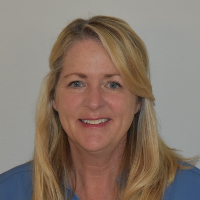
Colorado · 15 yrs exp
LPC, LCPC - Anxiety and Trauma Support
Stress, Anxiety · Addictions · Family · Trauma and abuse · +10 more
Read profile
Colorado · 10 yrs exp
Licensed Professional Counselor - Anxiety and Relationships
Stress, Anxiety · Relationship · Trauma and abuse · Parenting · +6 more
Read profile
Colorado · 33 yrs exp
LCSW in Colorado - anxiety and parenting
Stress, Anxiety · Trauma and abuse · Grief · Parenting · +1 more
Read profile
Colorado · 22 yrs exp
LMFT focused on anxiety and relationships
Stress, Anxiety · Addictions · Relationship · Trauma and abuse · +12 more
Read profile
Colorado · 7 yrs exp
Licensed Professional Counselor - Anxiety and Relationships
Stress, Anxiety · Relationship · Family · Self esteem · +1 more
Read profile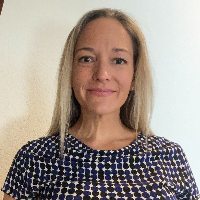
Colorado · 6 yrs exp
LCSW - Anxiety and Relationship Concerns
Stress, Anxiety · Relationship · Family · Parenting · +9 more
Read profile
Colorado · 23 yrs exp
LCSW Colorado - Anxiety and Trauma
Stress, Anxiety · Family · Trauma and abuse · Grief · +9 more
Read profile
Colorado · 20 yrs exp
LPC counselor - Anxiety and addictions
Stress, Anxiety · Addictions · Anger · Depression · +6 more
Read profile
Colorado · 12 yrs exp
LPC in Colorado - Anxiety and Relationships
Stress, Anxiety · Relationship · Self esteem · Depression · +1 more
Read profile
Colorado · 30 yrs exp
LPC in Colorado - Anxiety and Stress
Stress, Anxiety · Trauma and abuse · Self esteem · Depression · +13 more
Read profile
Colorado · 27 yrs exp
LPC in Colorado - Trauma and Mood concerns
Family · Trauma and abuse · Bipolar · Depression · +7 more
Read profile
Colorado · 20 yrs exp
Dr. Michael Black - Psychologist, Anxiety and Relationship work
Stress, Anxiety · Relationship · Family · Depression · +7 more
Read profile
Colorado · 22 yrs exp
Licensed Professional Counselor - Anxiety and Relationship concerns
Stress, Anxiety · Trauma and abuse · Grief · Compassion fatigue · +13 more
Read profile
Colorado · 25 yrs exp
LCSW counselor - anxiety and relationships
Addictions · Relationship · Trauma and abuse · Grief · +15 more
Read profile
Colorado · 5 yrs exp
Licensed Clinical Social Worker - Anxiety and Trauma
Stress, Anxiety · Trauma and abuse · Grief · Depression · +15 more
Read profile
Colorado · 5 yrs exp
LPC - Anxiety and Addiction support
Stress, Anxiety · Addictions · Self esteem · Depression · +7 more
Read profile
Colorado · 49 yrs exp
CO Psychologist - Anxiety and Relationship concerns
Stress, Anxiety · Relationship · Family · Trauma and abuse · +12 more
Read profile
Colorado · 15 yrs exp
Licensed Professional Counselor - Anxiety and Trauma
Stress, Anxiety · Trauma and abuse · Bipolar · Depression · +13 more
Read profile
Colorado · 23 yrs exp
Licensed Professional Counselor - Anxiety and Trauma
Stress, Anxiety · Trauma and abuse · Grief · Self esteem · +9 more
Read profile
Colorado · 19 yrs exp
Licensed Professional Counselor - Anxiety and Stress
Stress, Anxiety · Relationship · Self esteem · Career · +9 more
Read profile
Colorado · 12 yrs exp
Licensed Professional Counselor - Anxiety and Stress
Stress, Anxiety · Relationship · Trauma and abuse · Self esteem · +13 more
Read profile
Colorado · 7 yrs exp
LCSW - Grief and life transitions
Family · Grief · Self esteem · Career · +8 more
Read profile
Colorado · 6 yrs exp
Licensed Professional Counselor - Anxiety and Addictions
Stress, Anxiety · Addictions · Anger · Self esteem · +11 more
Read profile
Colorado · 23 yrs exp
LPC counselor - anxiety and relationships
Stress, Anxiety · Relationship · Trauma and abuse · Depression · +1 more
Read profile
Colorado · 9 yrs exp
Licensed Professional Counselor - Anxiety and Relationships
Stress, Anxiety · Trauma and abuse · Coping with life changes · LGBT · +10 more
Read profile
Colorado · 12 yrs exp
Licensed marriage and family therapist - anxiety and relationships
Stress, Anxiety · Relationship · Grief · Depression · +8 more
Read profile
Colorado · 7 yrs exp
Licensed Professional Counselor - Anxiety and Trauma
Stress, Anxiety · Family · Trauma and abuse · Parenting · +13 more
Read profile
Colorado · 12 yrs exp
Licensed Professional Counselor - Anxiety and Life Changes
Stress, Anxiety · Grief · Self esteem · Depression · +1 more
Read profileOnline therapy has become a common option for people across Colorado, from the Front Range urban corridor to mountain towns and rural plains. You can connect with a clinician by video, phone, or messaging depending on the practitioner’s offered session formats. State rules determine who may provide remote care to Coloradans, and licensed professionals who are authorized to practice in Colorado may deliver services to residents no matter where they live in the state, subject to regulatory requirements.
Colorado maintains licensing standards and public registries that govern mental health professionals practicing within the state. Those regulations set the scope of practice, required credentials, and procedures for filing complaints. When a therapist provides services online, they must follow the same professional rules that apply in in-person work, including standards around documentation, recordkeeping, and ethical practice. This framework aims to give you a clear basis for understanding what to expect from licensed online providers.
Online sessions can reduce travel time and expand your access to clinicians who practice from different parts of the state. If you live in a mountain community, work long or irregular hours, or have mobility constraints, virtual options can make it easier to fit care into your routine. The ability to attend sessions from your home, workplace, or another comfortable setting helps many people maintain consistent treatment while balancing other responsibilities.
For many, online therapy offers a sense of familiarity because you can participate from a setting where you feel at ease. This can help you concentrate on goals, talk through difficult topics, and practice skills in the context of your everyday environment. Online formats also support continuity of care when life circumstances temporarily interfere with in-person meetings, such as travel or short-term relocation within Colorado.
Online therapists in Colorado work with people facing a wide range of life concerns. You can find professionals who focus on stress management, anxiety, low mood, grief and loss, relationship tensions, and adjustments related to work, school, or new family roles. Many individuals seek online therapy when preparing for major life changes, coping with life stage transitions, or building skills to manage day-to-day emotional challenges.
Online clinicians also address issues involving couples and families, parenting challenges, and communication difficulties. Some therapists list approaches that emphasize trauma-informed care or specialized methods such as cognitive-behavioral strategies, emotion-focused techniques, or mindfulness-based supports. When you review profiles, you will often see language that indicates who the practitioner commonly works with - for example adults, adolescents, couples, or parents - and the problems they most often address.
If you want to confirm that a therapist is licensed in Colorado, use the state’s professional licensing lookup tools. These public registries include the license status, the type of credential held, license expiration dates, and any formal disciplinary actions. You can search by the clinician’s full name or license number when available. The registry is maintained by the state agency that oversees professional licensure and is the authoritative place to verify credentials for practitioners licensed to practice in Colorado.
A license record typically lists the credential type such as counselor, social worker, or psychologist, the issuance and expiration dates, and whether the license is active. If there are concerns about professional conduct, the record may include public enforcement actions or restrictions. Reviewing these details helps you confirm that the clinician meets the state’s regulatory standards for practicing within Colorado. If anything in the record is unclear, you can contact the licensing office for clarification.
Begin by identifying your priorities. Think about the issues you want to address, the therapeutic approaches that appeal to you, language preferences, and whether you are seeking work with individuals, couples, or families. Look for clinicians who list the approaches you prefer - for example, therapists who list cognitive-behavioral methods, interpersonal approaches, or other modalities among their approaches - and who describe experience with the concerns you want to work on. Read profile summaries to learn how each therapist frames their work and who they commonly serve.
Explore credentials and professional background to understand each clinician’s training level and licensure type. Note the populations a therapist mentions, such as teens, adults, or couples, and any languages in which they provide care. Cost factors are important to review; check whether a therapist lists insurance participation, session fees, or sliding scale options. Think about the technology you prefer to use and whether the clinician indicates which session formats they offer, such as video or phone sessions. Also look for information about their general approach to goals and progress so you can assess how well it aligns with what you hope to achieve.
When you reach out to a potential therapist, prepare a brief summary of what brings you to therapy and any logistical questions you have about session length and formats. Use the first session to discuss goals, how the therapist structures their work, and what a typical session looks like. It can help to set a short-term goal for the first few meetings so you and the clinician can evaluate whether the style and approach are a good fit. If you do not feel the rapport you need after a few sessions, it is reasonable to continue looking until you find a clinician whose approach and communication style match your needs.
Clear communication is central to productive therapy. Be open about what is and is not working for you, and ask questions about methods, expected timelines, or how homework or practice might be incorporated between sessions. Good therapists will welcome your questions and collaborate on adjusting plans to suit your preferences. If you have concerns about fees, scheduling, or documentation practices, bring them up early so you can make informed decisions about continuing care.
Finding an online therapist in Colorado is a process that benefits from thoughtful review of profiles, confirmation of licensure, and an initial conversation to establish compatibility. With attention to approach, focus areas, and practical details such as language and session format, you can identify a clinician who fits your needs and begin working toward the goals that matter most to you.
Addictions
3582 therapists
ADHD
3239 therapists
Anger
4267 therapists
Control Issues
4767 therapists
Depression
7564 therapists
Grief
5161 therapists
Guilt and Shame
6939 therapists
Impulsivity
4011 therapists
Intimacy Issues
3055 therapists
Isolation / Loneliness
6820 therapists
Mood Disorders
5166 therapists
OCD
2747 therapists
Panic Disorder and Panic Attacks
5467 therapists
Phobias
2030 therapists
Post-Traumatic Stress
5802 therapists
Seasonal Affective Disorder (SAD)
3067 therapists
Self Esteem
7033 therapists
Sleeping Disorders
1934 therapists
Stress & Anxiety
8486 therapists
Trauma and Abuse
6184 therapists
Abandonment
4538 therapists
Attachment Issues
5048 therapists
Body Image
3622 therapists
Career
3523 therapists
Commitment Issues
3141 therapists
Communication Problems
7250 therapists
Coping with Life Changes
6115 therapists
Family
4901 therapists
Family of Origin Issues
2843 therapists
Forgiveness
6076 therapists
Infidelity
2925 therapists
Jealousy
2975 therapists
Life Purpose
6783 therapists
Money and Financial Issues
2677 therapists
Relationship
6198 therapists
Self-Love
6892 therapists
Sexuality
2685 therapists
Workplace Issues
4918 therapists