
Kelley Sullivan
LCSWColorado · 19 yrs exp
LCSW - Anxiety and relationship concerns
Stress, Anxiety · Relationship · Trauma and abuse · Grief · +12 more
Read profileTherapist listings are provided by BetterHelp. We will earn a commission at no additional cost to you if you use our links to purchase.
This page lists clinicians who focus on supporting people affected by prejudice and discrimination. You can review profiles to learn about credentials, approaches and experience related to identity-based harm. Browse the listings below to explore therapists whose work aligns with your needs.
Colorado · 19 yrs exp
LCSW - Anxiety and relationship concerns
Stress, Anxiety · Relationship · Trauma and abuse · Grief · +12 more
Read profile
Alabama · 22 yrs exp
Licensed Professional Counselor - Anxiety and Stress
Stress, Anxiety · Trauma and abuse · Anger · Self esteem · +16 more
Read profile
Texas · 13 yrs exp
LCSW - Anxiety and relationship concerns
Stress, Anxiety · Relationship · Trauma and abuse · Anger · +11 more
Read profile
Louisiana · 7 yrs exp
Licensed professional counselor - anxiety and trauma
Stress, Anxiety · Family · Trauma and abuse · Parenting · +15 more
Read profile
New York · 5 yrs exp
Licensed Mental Health Counselor - Anxiety and Relationships
Stress, Anxiety · LGBT · Trauma and abuse · Bipolar · +12 more
Read profile
Illinois · 20 yrs exp
Licensed counselor - Anxiety and relationships
Stress, Anxiety · LGBT · Anger · Self esteem · +12 more
Read profile
Louisiana · 10 yrs exp
LPC counselor - Anxiety and relationships
Stress, Anxiety · Relationship · Family · Depression · +12 more
Read profile
Illinois · 10 yrs exp
Illinois LCPC - Anxiety and Relationships
Stress, Anxiety · LGBT · Relationship · Trauma and abuse · +10 more
Read profile
Colorado · 11 yrs exp
LPC counselor - anxiety and life transitions
Stress, Anxiety · LGBT · Trauma and abuse · Anger · +15 more
Read profile
Texas · 21 yrs exp
LCSW - Anxiety and Relationship Concerns
Stress, Anxiety · Relationship · Trauma and abuse · Intimacy-related issues · +15 more
Read profile
Texas · 8 yrs exp
Licensed Professional Counselor - Anxiety and Life Changes
Stress, Anxiety · Grief · Self esteem · Career · +11 more
Read profile
Texas · 22 yrs exp
Dr. Ngozi Okose - LPC, anxiety and relationship concerns
Stress, Anxiety · Relationship · Trauma and abuse · Depression · +16 more
Read profile
Florida · 30 yrs exp
FL Psychologist - Anxiety and Stress
Stress, Anxiety · Grief · Anger · Depression · +15 more
Read profile
Wisconsin · 11 yrs exp
LPC in Wisconsin - anxiety and relationship concerns
Stress, Anxiety · Family · Trauma and abuse · Depression · +12 more
Read profile
Louisiana · 14 yrs exp
LCSW - Anxiety and life stress
Stress, Anxiety · Anger · Self esteem · Depression · +9 more
Read profile
Pennsylvania · 6 yrs exp
Licensed Professional Counselor - Anxiety and Relationships
Stress, Anxiety · LGBT · Relationship · Self esteem · +15 more
Read profile
Arizona · 22 yrs exp
Licensed Professional Counselor - Anxiety and Relationship support
Stress, Anxiety · Relationship · Family · Grief · +16 more
Read profile
Virginia · 14 yrs exp
LPC - Trauma and anxiety focused
Trauma and abuse · Grief · Coping with life changes · Compassion fatigue · +12 more
Read profile
Florida · 20 yrs exp
LMHC in Florida - Anxiety and life changes
Stress, Anxiety · Grief · Self esteem · Depression · +9 more
Read profile
Louisiana · 10 yrs exp
Licensed Professional Counselor - Anxiety and Relationships
Stress, Anxiety · Trauma and abuse · Anger · Self esteem · +12 more
Read profile
Ohio · 17 yrs exp
LISW - Anxiety and Relationship Concerns
Stress, Anxiety · Family · Parenting · Depression · +12 more
Read profile
Arkansas · 44 yrs exp
Licensed Certified Social Worker - Anxiety and Stress
Stress, Anxiety · Trauma and abuse · Grief · Self esteem · +16 more
Read profile
Michigan · 31 yrs exp
LMSW - Anxiety and relationship support
Stress, Anxiety · Family · Trauma and abuse · Self esteem · +16 more
Read profile
Missouri · 35 yrs exp
LCSW - Anxiety and relationship concerns
Stress, Anxiety · Trauma and abuse · Anger · Bipolar · +13 more
Read profile
Oregon · 17 yrs exp
Licensed MFT - Anxiety and Trauma
Stress, Anxiety · Trauma and abuse · Grief · Intimacy-related issues · +1 more
Read profile
Tennessee · 35 yrs exp
LMFT - Relationships and Addictions
Addictions · Relationship · Family · Trauma and abuse · +1 more
Read profile
New York · 25 yrs exp
Licensed Clinical Social Worker - Anxiety and Stress
Stress, Anxiety · Grief · Anger · Self esteem · +6 more
Read profile
Colorado · 13 yrs exp
Licensed Marriage and Family Therapist - Anxiety and Relationships
Stress, Anxiety · LGBT · Relationship · Trauma and abuse · +10 more
Read profile
Texas · 18 yrs exp
LPC counselor - anxiety and addictions
Stress, Anxiety · Addictions · LGBT · Relationship · +14 more
Read profile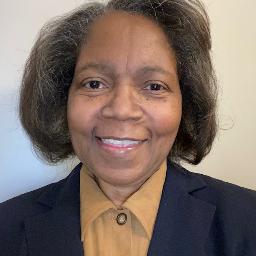
Michigan · 10 yrs exp
LMSW - Anxiety and depression focus
Stress, Anxiety · Addictions · Relationship · Family · +12 more
Read profile
Montana · 23 yrs exp
Licensed Clinical Professional Counselor - Anxiety, Family
Stress, Anxiety · Family · Trauma and abuse · Parenting · +12 more
Read profile
Texas · 15 yrs exp
Licensed Professional Counselor - anxiety and life changes
Stress, Anxiety · Grief · Self esteem · Depression · +13 more
Read profile
Oklahoma · 9 yrs exp
LPC therapist - anxiety and life changes
Stress, Anxiety · Anger · Self esteem · Coping with life changes · +16 more
Read profile
Mississippi · 15 yrs exp
Licensed Professional Counselor - anxiety and relationships
Stress, Anxiety · Addictions · Relationship · Family · +5 more
Read profile
Texas · 21 yrs exp
Licensed Marriage and Family Therapist - Anxiety and Family concerns
Trauma and abuse · Parenting · Self esteem · Depression · +8 more
Read profile
Idaho · 18 yrs exp
LCSW - Anxiety and coping support
Stress, Anxiety · Trauma and abuse · Grief · Self esteem · +10 more
Read profile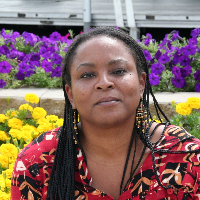
Nebraska · 34 yrs exp
LMHP counselor - anxiety and life changes
Stress, Anxiety · Addictions · Relationship · Family · +12 more
Read profile
New Jersey · 20 yrs exp
LMFT - Anxiety and Relationship concerns
Stress, Anxiety · Relationship · Trauma and abuse · Self esteem · +14 more
Read profile
Iowa · 25 yrs exp
LISW - Anxiety and relationship concerns
Stress, Anxiety · Relationship · Trauma and abuse · Self esteem · +12 more
Read profile
Colorado · 15 yrs exp
Licensed Professional Counselor - Anxiety and Trauma
Stress, Anxiety · Addictions · Trauma and abuse · Anger · +6 more
Read profile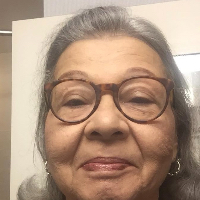
Missouri · 20 yrs exp
Licensed Professional Counselor - Anxiety and Relationships
Stress, Anxiety · Relationship · Family · Anger · +8 more
Read profile
Florida · 16 yrs exp
Licensed clinical social worker - Anxiety and life changes
Stress, Anxiety · Trauma and abuse · Grief · Self esteem · +10 more
Read profile
California · 14 yrs exp
LPCC - Family and life changes
Family · Trauma and abuse · Self esteem · Coping with life changes · +1 more
Read profile
Mississippi · 20 yrs exp
Licensed Professional Counselor - Anxiety and Relationships
Stress, Anxiety · Addictions · Trauma and abuse · Anger · +14 more
Read profile
Wisconsin · 8 yrs exp
Licensed Professional Counselor - Anxiety and Relationships
Stress, Anxiety · Relationship · Self esteem · Career · +10 more
Read profile
North Carolina · 7 yrs exp
Licensed Marriage and Family Therapist - Relationships and Parenting
Relationship · Family · Intimacy-related issues · Parenting · +7 more
Read profile
Washington · 50 yrs exp
LMHC - Anxiety and trauma focus
Stress, Anxiety · Trauma and abuse · Intimacy-related issues · Self esteem · +15 more
Read profile
Vermont · 22 yrs exp
LPC, LCMHC - Anxiety and Addictions
Stress, Anxiety · Addictions · Relationship · Family · +12 more
Read profile
Massachusetts · 27 yrs exp
LMHC - Anxiety and Relationship concerns
Stress, Anxiety · Relationship · Trauma and abuse · Grief · +12 more
Read profile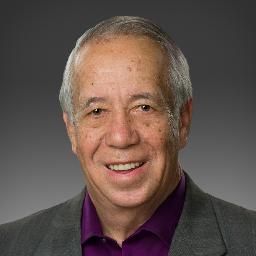
Louisiana · 17 yrs exp
LMHC LPC - Anxiety and Relationship support
Stress, Anxiety · Relationship · Family · Self esteem · +14 more
Read profile
Texas · 13 yrs exp
LCSW - Anxiety and relationship concerns
Stress, Anxiety · Relationship · Anger · Self esteem · +12 more
Read profile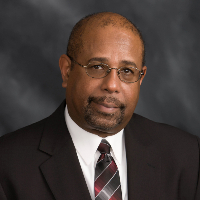
Mississippi · 51 yrs exp
Dr. Ricardo Gillispie, LCSW - Anxiety and Relationship support
Stress, Anxiety · Relationship · Self esteem · Depression · +15 more
Read profile
Kansas · 30 yrs exp
LSCSW - Anxiety and Trauma care
Stress, Anxiety · Trauma and abuse · Sleeping · Self esteem · +14 more
Read profile
North Carolina · 20 yrs exp
Licensed counselor - Anxiety and trauma
Stress, Anxiety · Addictions · Trauma and abuse · Grief · +1 more
Read profile
Louisiana · 30 yrs exp
Licensed Clinical Social Worker - anxiety and relationships
Stress, Anxiety · Relationship · Family · Trauma and abuse · +14 more
Read profile
Mississippi · 20 yrs exp
LPC counselor - Anxiety and relationship concerns
Stress, Anxiety · Relationship · Trauma and abuse · Anger · +10 more
Read profile
New York · 10 yrs exp
Licensed counselor - anxiety and relationships
Stress, Anxiety · Family · Self esteem · Coping with life changes · +5 more
Read profile
New York · 13 yrs exp
LCSW-R - Anxiety and related concerns
Stress, Anxiety · Trauma and abuse · Depression · Coaching · +13 more
Read profile
Louisiana · 9 yrs exp
Licensed Professional Counselor - Anxiety and Life Changes
Stress, Anxiety · Self esteem · Depression · Coping with life changes · +11 more
Read profile
Michigan · 10 yrs exp
LISW social worker - anxiety and relationships
Addictions · Relationship · Trauma and abuse · Self esteem · +16 more
Read profilePrejudice and discrimination refer to negative attitudes, behaviors and systemic policies directed at people because of their race, ethnicity, gender, sexual orientation, religion, disability, immigration status or other aspects of identity. These experiences can be episodic, such as a single hurtful interaction, or chronic, such as repeated microaggressions or structural barriers. Both kinds of experience can shape how you see yourself, how you relate to others and how you navigate daily life. Many people describe a range of emotional reactions - anger, sadness, numbness, hypervigilance or a sense of being misunderstood. You may also notice practical impacts, such as difficulty concentrating at work or school, avoidance of places where you have felt targeted, or strain in personal relationships when people fail to grasp the weight of what you have experienced.
Because prejudice and discrimination often intersect with other stressors, their effects are rarely isolated. You might encounter legal or financial consequences, encounter stigma when seeking help, or find that community and family reactions vary widely. Therapy that acknowledges these social dynamics aims to validate your experience, help you process emotion and develop strategies for coping and advocacy. It is common for people to seek support not because they are ill but because they want tools to manage the day-to-day impact of identity-based harm and to heal from traumatic encounters.
You may be considering therapy if repeated experiences of bias are changing how you feel, think or act. If you notice persistent anxiety, intrusive memories of discriminatory incidents, sudden changes in sleep or appetite, or frequent mood swings after encounters with bias, these can be reasons to reach out for support. You might also find yourself withdrawing from social situations, avoiding certain neighborhoods or jobs, or feeling distrust toward service providers because of past mistreatment. Relationships can be affected when loved ones do not recognize the seriousness of what you have faced, which can lead to isolation and frustration.
Other signs include a growing sense of identity confusion, diminished self-worth, or decision paralysis about speaking up versus protecting your emotional energy. If you are engaged in activism or community work, you may be experiencing burnout or compassion fatigue that is tied to exposure to ongoing injustice. Therapy can offer space to process these reactions, develop actionable coping strategies and explore how you want to show up in your life and community with greater resilience and clarity.
When you begin therapy for concerns related to prejudice and discrimination, the first sessions usually involve getting to know you, your background and the specific situations that have been most impactful. You and your therapist will discuss what matters to you in the short term and what long-term changes you hope to see. Many clinicians take a paced, collaborative approach - they listen to your story, ask about the social and cultural contexts that shape it and invite you to set goals that feel meaningful.
Therapy sessions often combine emotional processing with practical skill building. You can expect to explore the feelings tied to discriminatory experiences, reflect on how those experiences affect your relationships and daily functioning, and learn ways to manage stress and reactivity. Some sessions focus on building communication strategies for confronting bias or setting boundaries, while others emphasize self-care routines that protect your energy. If trauma reactions are present, your therapist may prioritize stabilization and coping before any deep trauma processing. Throughout, a therapist who is responsive to identity-based issues will aim to respect your pace and cultural perspectives, and to avoid minimizing or pathologizing reactions that are reasonable responses to unfair treatment.
Therapists bring a range of approaches to work with people experiencing prejudice and discrimination. Many clinicians list cognitive behavioral therapy among their approaches to help you identify and shift unhelpful thinking patterns that can develop after repeated bias. Others describe narrative therapy techniques that center your story - helping you reclaim agency and reframe the meaning of traumatic events. If trauma-related symptoms are present, some therapists list trauma-focused modalities among their approaches to support processing in a paced way. You may also encounter therapists who list acceptance and commitment therapy among their approaches to help you clarify values and take committed action despite difficult emotions.
There is growing recognition of the value of culturally informed and anti-oppressive practices. Therapists who note a focus on social justice or cultural humility in their profiles often integrate attention to systemic issues and community context into clinical work. Somatic and mindfulness-based approaches are sometimes listed to help you reconnect with your body and regulate stress responses that arise after discriminatory encounters. Group therapy and community-based modalities are another pathway many people pursue to find peer support and collective healing in a setting where shared experiences are recognized and validated.
Online therapy can expand access to clinicians who specialize in identity-informed care, especially if local options are limited. You typically meet with a therapist by video, phone or messaging, and sessions follow a similar rhythm to in-person therapy with check-ins, goal work and skill practice. Online formats can make it easier to connect with clinicians who share your language, cultural background or therapeutic focus, because geographic distance is less of a barrier. You can also choose session formats that fit your needs, such as shorter check-in sessions during periods of crisis or longer sessions when you need more processing time.
When using online care, consider the environment where you will participate. Choose a setting where you feel comfortable expressing emotions and reflecting on sensitive material. Discuss with a prospective therapist how they handle practical matters - session length, communication methods between sessions and protocols for urgent concerns. While online therapy offers convenience, it also requires attention to boundaries and self-care so that therapy is effective and respectful of your rhythms and daily responsibilities.
Finding the right therapist is a personal process. Start by looking for clinicians who explicitly mention experience or interest in working with prejudice and discrimination in their profiles. Note whether they list approaches that resonate with you, such as cognitive behavioral strategies, narrative work, trauma-focused methods or mindfulness. Many profiles include information about the populations a therapist serves and the languages they speak - this can help you identify clinicians who may understand the cultural nuances that matter to you.
Consider how important aspects of identity are to your healing journey and look for therapists who describe a perspective that aligns with that priority. Some people prefer a clinician who centers social justice and structural understanding in their work, while others seek approaches that emphasize somatic regulation or values-based action. Read profile excerpts to get a sense of tone, and when you reach out to a therapist, you can ask about how they integrate attention to bias and systemic harm into therapy. It is reasonable to ask for examples of the types of strategies they use and how they create a respectful, affirming environment for identity-based conversations. Finally, think about logistics - session format, fees and whether the clinician communicates in a language you prefer - and choose someone who feels like a good fit for both your personal and practical needs.
Working with a therapist on prejudice and discrimination-related issues often extends beyond sessions. You may leave with coping strategies to use in real time, communication tools to navigate difficult conversations and plans to care for your wellbeing after triggering events. Whether you seek therapy for acute distress or ongoing support, the goal is often to strengthen your ability to live in alignment with your values, protect your wellbeing and find ways to engage with your community that feel sustainable. Over time, many people report feeling more confident in their choices and more connected to sources of support that reflect their experience and identity.
Alabama
99 therapists
Alaska
8 therapists
Arizona
102 therapists
Arkansas
58 therapists
Australia
252 therapists
California
680 therapists
Colorado
159 therapists
Connecticut
70 therapists
Delaware
19 therapists
District of Columbia
19 therapists
Florida
718 therapists
Georgia
169 therapists
Hawaii
29 therapists
Idaho
49 therapists
Illinois
265 therapists
Indiana
124 therapists
Iowa
35 therapists
Kansas
45 therapists
Kentucky
115 therapists
Louisiana
142 therapists
Maine
23 therapists
Maryland
122 therapists
Massachusetts
119 therapists
Michigan
256 therapists
Minnesota
99 therapists
Mississippi
67 therapists
Missouri
174 therapists
Montana
43 therapists
Nebraska
44 therapists
Nevada
49 therapists
New Hampshire
19 therapists
New Jersey
171 therapists
New Mexico
31 therapists
New York
457 therapists
North Carolina
274 therapists
North Dakota
7 therapists
Ohio
200 therapists
Oklahoma
137 therapists
Oregon
41 therapists
Pennsylvania
259 therapists
Rhode Island
14 therapists
South Carolina
133 therapists
South Dakota
21 therapists
Tennessee
107 therapists
Texas
763 therapists
United Kingdom
1668 therapists
Utah
66 therapists
Vermont
19 therapists
Virginia
116 therapists
Washington
94 therapists
West Virginia
28 therapists
Wisconsin
116 therapists
Wyoming
19 therapists