
Kelley Sullivan
LCSWColorado · 19 yrs exp
LCSW - Anxiety and relationship concerns
Stress, Anxiety · Relationship · Trauma and abuse · Grief · +12 more
Read profileTherapist listings are provided by BetterHelp. We will earn a commission at no additional cost to you if you use our links to purchase.
On this page you will find therapists who list self-love as a specialty, including work on self-esteem, body image, and self-compassion. Use the listings below to review approaches, credentials, languages, and focus areas to guide your search. Browse profiles to learn more about practitioners who may align with your goals.
Colorado · 19 yrs exp
LCSW - Anxiety and relationship concerns
Stress, Anxiety · Relationship · Trauma and abuse · Grief · +12 more
Read profile
Alabama · 22 yrs exp
Licensed Professional Counselor - Anxiety and Stress
Stress, Anxiety · Trauma and abuse · Anger · Self esteem · +16 more
Read profile
Texas · 13 yrs exp
LCSW - Anxiety and relationship concerns
Stress, Anxiety · Relationship · Trauma and abuse · Anger · +11 more
Read profile
Florida · 23 yrs exp
LICSW LCSW - LGBT and intimacy areas
LGBT · Intimacy-related issues
Read profile
Minnesota · 14 yrs exp
Minnesota LMFT - Relationships and Anxiety
Stress, Anxiety · Relationship · Family · Trauma and abuse · +8 more
Read profile
District of Columbia · 20 yrs exp
LPC in DC - Trauma and mood concerns
Trauma and abuse · Self esteem · Bipolar · Depression · +1 more
Read profile
North Carolina · 16 yrs exp
LCMHC - Anxiety and Relationship concerns
Stress, Anxiety · Relationship · Trauma and abuse · Grief · +7 more
Read profile
Louisiana · 7 yrs exp
Licensed professional counselor - anxiety and trauma
Stress, Anxiety · Family · Trauma and abuse · Parenting · +15 more
Read profile
Florida · 25 yrs exp
Licensed Mental Health Counselor - Relationships and Trauma
Relationship · Trauma and abuse · Grief · Anger · +12 more
Read profile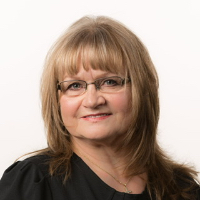
Texas · 15 yrs exp
Licensed Professional Counselor - Anxiety and Trauma
Addictions · Relationship · Trauma and abuse · Grief · +13 more
Read profile
Florida · 7 yrs exp
Licensed counselor - Addiction and trauma focus
Addictions · Relationship · Family · Trauma and abuse · +13 more
Read profile
Texas · 12 yrs exp
LMFT focusing on anxiety and relationships
Stress, Anxiety · Addictions · Relationship · Grief · +11 more
Read profile
Missouri · 36 yrs exp
LCSW in Missouri - Anxiety and relationship concerns
Stress, Anxiety · Relationship · Trauma and abuse · Intimacy-related issues · +15 more
Read profile
New York · 5 yrs exp
Licensed Mental Health Counselor - Anxiety and Relationships
Stress, Anxiety · LGBT · Trauma and abuse · Bipolar · +12 more
Read profile
Rhode Island · 18 yrs exp
LMHC - Anxiety and Relationship concerns
Stress, Anxiety · Relationship · Trauma and abuse · Grief · +12 more
Read profile
Arizona · 6 yrs exp
Licensed Professional Counselor - Anxiety and Relationships
Stress, Anxiety · Relationship · Family · Self esteem · +11 more
Read profile
Illinois · 20 yrs exp
Licensed counselor - Anxiety and relationships
Stress, Anxiety · LGBT · Anger · Self esteem · +12 more
Read profile
Florida · 12 yrs exp
Florida LMHC - Anxiety and Relationships
Stress, Anxiety · Relationship · Intimacy-related issues · Depression · +8 more
Read profile
New York · 35 yrs exp
Dr. Colleen Downes - LCSW, Anxiety and Stress
Stress, Anxiety · Self esteem · Career · ADHD · +10 more
Read profile
Louisiana · 10 yrs exp
LPC counselor - Anxiety and relationships
Stress, Anxiety · Relationship · Family · Depression · +12 more
Read profile
Oregon · 32 yrs exp
LMFT - Anxiety and Relationship Concerns
Stress, Anxiety · Relationship · Trauma and abuse · Grief · +9 more
Read profile
Ohio · 33 yrs exp
LPCC counselor - Anxiety and trauma
Stress, Anxiety · Family · Trauma and abuse · Self esteem · +12 more
Read profile
Illinois · 10 yrs exp
Illinois LCPC - Anxiety and Relationships
Stress, Anxiety · LGBT · Relationship · Trauma and abuse · +10 more
Read profile
Oklahoma · 30 yrs exp
LPC Counselor - Anxiety and Life Changes
Stress, Anxiety · Grief · Intimacy-related issues · Depression · +8 more
Read profile
North Carolina · 13 yrs exp
LCSW - Anxiety and relationship concerns
Stress, Anxiety · Relationship · Family · Self esteem · +13 more
Read profile
Washington · 12 yrs exp
Washington LMHC - Anxiety and Relationships
Stress, Anxiety · Relationship · Family · Self esteem · +15 more
Read profile
Virginia · 6 yrs exp
Licensed Professional Counselor - Anxiety and Trauma
Stress, Anxiety · Trauma and abuse · Parenting · Depression · +4 more
Read profile
Michigan · 35 yrs exp
LMSW - Anxiety and relationship concerns
Stress, Anxiety · Addictions · Trauma and abuse · Self esteem · +3 more
Read profile
Colorado · 11 yrs exp
LPC counselor - anxiety and life transitions
Stress, Anxiety · LGBT · Trauma and abuse · Anger · +15 more
Read profile
North Carolina · 20 yrs exp
Licensed Professional Counselor - Anxiety and Relationships
Stress, Anxiety · Relationship · Family · Self esteem · +9 more
Read profile
Illinois · 28 yrs exp
Licensed counselor - anxiety and relationships
Stress, Anxiety · Relationship · Grief · Self esteem · +8 more
Read profile
Texas · 21 yrs exp
LCSW - Anxiety and Relationship Concerns
Stress, Anxiety · Relationship · Trauma and abuse · Intimacy-related issues · +15 more
Read profile
Missouri · 14 yrs exp
Licensed Professional Counselor - Anxiety and Life Changes
Stress, Anxiety · Self esteem · Career · Depression · +13 more
Read profile
Virginia · 23 yrs exp
Licensed counselor - Anxiety and trauma
Stress, Anxiety · Trauma and abuse · Self esteem · Depression · +9 more
Read profile
Texas · 22 yrs exp
Dr. Ngozi Okose - LPC, anxiety and relationship concerns
Stress, Anxiety · Relationship · Trauma and abuse · Depression · +16 more
Read profile
Tennessee · 28 yrs exp
Tennessee psychologist - anxiety and relationships
Stress, Anxiety · Relationship · Grief · Depression · +10 more
Read profile
Pennsylvania · 35 yrs exp
Licensed counselor - anxiety and life changes
Stress, Anxiety · Self esteem · Career · Depression · +10 more
Read profile
Illinois · 25 yrs exp
Licensed Clinical Social Worker - Anxiety and Life Changes
Stress, Anxiety · Self esteem · Career · Coping with life changes · +10 more
Read profile
Louisiana · 20 yrs exp
LMFT and LPC - Anxiety and Relationship concerns
Stress, Anxiety · Addictions · Eating · Depression · +14 more
Read profile
Wisconsin · 11 yrs exp
LPC in Wisconsin - anxiety and relationship concerns
Stress, Anxiety · Family · Trauma and abuse · Depression · +12 more
Read profile
Louisiana · 14 yrs exp
LCSW - Anxiety and life stress
Stress, Anxiety · Anger · Self esteem · Depression · +9 more
Read profile
Mississippi · 12 yrs exp
Licensed Clinical Social Worker - Anxiety and Addictions
Stress, Anxiety · Addictions · Anger · Self esteem · +12 more
Read profile
Texas · 23 yrs exp
LPC counselor - anxiety and relationships
Stress, Anxiety · Relationship · Self esteem · Career · +11 more
Read profile
Pennsylvania · 6 yrs exp
Licensed Professional Counselor - Anxiety and Relationships
Stress, Anxiety · LGBT · Relationship · Self esteem · +15 more
Read profile
Arizona · 22 yrs exp
Licensed Professional Counselor - Anxiety and Relationship support
Stress, Anxiety · Relationship · Family · Grief · +16 more
Read profile
Utah · 6 yrs exp
Licensed counselor - Anxiety and trauma
Stress, Anxiety · Trauma and abuse · Self esteem · Depression · +8 more
Read profile
Tennessee · 35 yrs exp
Licensed Clinical Social Worker - Anxiety and Life Changes
Stress, Anxiety · Grief · Self esteem · Depression · +8 more
Read profile
Virginia · 14 yrs exp
LPC - Trauma and anxiety focused
Trauma and abuse · Grief · Coping with life changes · Compassion fatigue · +12 more
Read profile
Georgia · 25 yrs exp
LISW social worker - anxiety and relationships
Stress, Anxiety · Parenting · Anger · Self esteem · +15 more
Read profile
Nebraska · 25 yrs exp
LMHP - Stress and anxiety support
Stress, Anxiety · Family · Trauma and abuse · Parenting · +12 more
Read profile
Florida · 20 yrs exp
LMHC in Florida - Anxiety and life changes
Stress, Anxiety · Grief · Self esteem · Depression · +9 more
Read profile
Wisconsin · 11 yrs exp
Licensed counselor - anxiety and life changes
Stress, Anxiety · Relationship · Family · Self esteem · +6 more
Read profile
Georgia · 12 yrs exp
LPC counselor - Anxiety and mood concerns
Stress, Anxiety · Addictions · Trauma and abuse · Anger · +1 more
Read profile
South Carolina · 20 yrs exp
Licensed clinical social worker - anxiety and eating concerns
Stress, Anxiety · Relationship · Eating · Self esteem · +10 more
Read profile
New York · 36 yrs exp
Licensed Mental Health Counselor - Anxiety and Family
Stress, Anxiety · Family · Parenting · Self esteem · +7 more
Read profile
Colorado · 9 yrs exp
Licensed Clinical Social Worker - Anxiety and relationships
Stress, Anxiety · Relationship · Grief · Depression · +11 more
Read profile
Florida · 13 yrs exp
Florida LMHC - Anxiety and Relationships
Stress, Anxiety · Relationship · Intimacy-related issues · Depression · +15 more
Read profile
Louisiana · 10 yrs exp
Licensed Professional Counselor - Anxiety and Relationships
Stress, Anxiety · Trauma and abuse · Anger · Self esteem · +12 more
Read profile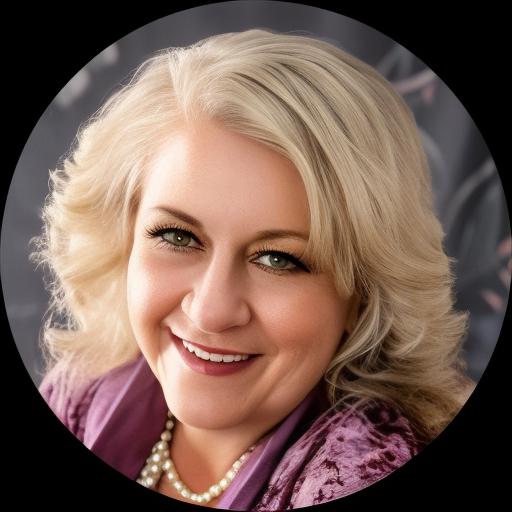
Colorado · 19 yrs exp
Licensed Professional Counselor - anxiety and life changes
Stress, Anxiety · Addictions · Self esteem · Depression · +14 more
Read profile
Michigan · 16 yrs exp
Licensed Professional Counselor - Anxiety and Addiction
Stress, Anxiety · Addictions · Relationship · Parenting · +8 more
Read profileSelf-love is often talked about as a feeling of warmth toward yourself, but it is also a set of attitudes and habits that influence how you relate to your thoughts, emotions, and choices. When you practice self-love you are more likely to treat yourself with kindness after setbacks, recognize your needs, and set boundaries that protect your energy. The absence of self-love can look like chronic self-criticism, people-pleasing, difficulty enjoying achievements, or harsh inner standards that make life feel like a constant performance.
The effects of low self-love ripple into many areas of life. You may notice it in relationships where you regularly prioritize others at the cost of your own needs, in work settings where imposter feelings limit your opportunities, or in daily routines where you avoid activities that bring you joy because you doubt you deserve them. Because self-love affects both feelings and behavior, work focused on self-love often blends emotional exploration with practical skills - cultivating a different inner voice and building small routines that reinforce more balanced self-regard.
If you are questioning whether therapy could help, there are several common patterns that point toward benefit. You may find that negative self-talk is persistent and undermines your decisions, or that you dismiss compliments and struggle to accept praise. Another sign is a recurrent cycle of putting others first to your own detriment - for example, agreeing to tasks you do not want to do or avoiding asking for help because you fear rejection.
Emotional patterns like shame, chronic guilt, or the sense that you are fundamentally flawed often accompany low self-love. You might also notice behavioral indicators, such as self-sabotage in relationships or work, patterns of perfectionism that lead to procrastination, or avoiding situations where you could be seen as vulnerable. These experiences do not mean there is something wrong with you; they are common human responses to earlier experiences and learned messages, and they can be addressed through focused therapeutic work.
When you enter therapy for self-love you will usually find a blend of emotional exploration and practical skill-building. Sessions often begin with understanding the specific ways low self-love shows up for you - the kinds of thoughts, feelings, and behaviors that are most distressing. From there you and your therapist can identify goals that are concrete and personally meaningful, whether that means reducing self-critical thinking, improving boundary-setting, or learning to receive compliments with less discomfort.
Therapy may include guided reflection on formative experiences that shaped your self-view as well as exercises to shift the present-day patterns that maintain low self-love. Expect opportunities to practice new ways of talking to yourself, experimenting with assertive communication, and rehearsing small acts of self-care that reinforce a stronger sense of worth. Progress is often gradual, and many people benefit from regular sessions that balance insight with actionable strategies you can use between meetings.
Your path can emphasize shorter-term skills if you want targeted changes, such as learning to counteract negative self-talk or to manage perfectionist impulses. Alternatively, therapy can take a longer-term developmental approach that explores deep-seated beliefs about worth and identity. Either route centers on helping you build a more compassionate relationship with yourself that translates into daily choices and healthier connections with others.
Therapists work with many different methods to support self-love, and it is common to encounter integrative approaches that draw from multiple traditions. You will find therapists who list cognitive behavioral therapy among their approaches, which includes practices to identify and reshape the thoughts that fuel self-criticism and avoidance. Therapists who list acceptance-based or mindfulness approaches emphasize observing thoughts and feelings without harsh judgment and cultivating present-moment kindness toward yourself.
Psychodynamic and relational approaches explore how early relationships and internalized messages shape your current sense of worth, helping you understand the origins of self-critical patterns and how they replay in adult life. Compassion-focused work centers directly on building the inner attitude of care and understanding, often using imagery and exercises that teach you to respond to your own suffering with warmth rather than blame. Some therapists integrate expressive methods - such as journaling or creative practices - to access emotions and build a narrative of self-respect.
When you review profiles on this site, you will see that therapists describe the approaches they use. Those descriptions are helpful for understanding style and emphasis, but they do not guarantee a specific credential. It can be useful to read several profiles and note which descriptions resonate with you, since matching on therapeutic style and focus often supports a stronger working relationship.
Online therapy can make work on self-love more accessible by connecting you with practitioners who describe the focus areas and approaches you want, regardless of geography. Sessions often take place by video or phone, and many therapists offer messaging support between meetings in addition to synchronous sessions. The format allows you to practice new skills in your everyday environment - for example, trying a new boundary in the same context where it matters and then discussing it in the next session.
When choosing a therapist for self-love, start by clarifying what changes matter most to you. If you want to reduce harsh inner criticism, look for therapists who describe work with self-talk or cognitive methods. If shame feels central, descriptions that mention compassion-focused or relational work may be a better fit. Pay attention to language in profiles about focus areas, populations served, and the kinds of issues the therapist highlights, since these elements give a sense of whether their approach aligns with your goals.
Consider practical preferences too - such as the therapist's communication style, the languages they list, and whether they mention experience with life circumstances similar to yours. Reading a few profiles and noting which practitioners' descriptions make you feel understood is often the most effective first step. When you contact a therapist, you can use an initial conversation to ask about their approach to self-love - how they conceptualize self-worth work, what techniques they tend to use, and what a typical session structure looks like. That discussion helps you assess whether their style feels like a collaborative fit for your needs.
Whatever route you choose, know that developing a kinder relationship with yourself is a gradual process that combines insight, practice, and real-world experiments. Therapy can offer a guided environment to try new ways of thinking and behaving while receiving feedback and support. Over time you can build habits that replace automatic self-criticism with more balanced self-regard, which often leads to clearer decision-making, healthier relationships, and a greater sense of ease in daily life.
If you are ready to explore this work, use the listings above to learn about therapists who list self-love among their focuses and consider profiles that match the approach and emphasis that matter to you. Thoughtful matches between your goals and a therapist's focus can help you create meaningful change.
Alabama
99 therapists
Alaska
8 therapists
Arizona
102 therapists
Arkansas
58 therapists
Australia
252 therapists
California
680 therapists
Colorado
159 therapists
Connecticut
70 therapists
Delaware
19 therapists
District of Columbia
19 therapists
Florida
718 therapists
Georgia
169 therapists
Hawaii
29 therapists
Idaho
49 therapists
Illinois
265 therapists
Indiana
124 therapists
Iowa
35 therapists
Kansas
45 therapists
Kentucky
115 therapists
Louisiana
142 therapists
Maine
23 therapists
Maryland
122 therapists
Massachusetts
119 therapists
Michigan
256 therapists
Minnesota
99 therapists
Mississippi
67 therapists
Missouri
174 therapists
Montana
43 therapists
Nebraska
44 therapists
Nevada
49 therapists
New Hampshire
19 therapists
New Jersey
171 therapists
New Mexico
31 therapists
New York
457 therapists
North Carolina
274 therapists
North Dakota
7 therapists
Ohio
200 therapists
Oklahoma
137 therapists
Oregon
41 therapists
Pennsylvania
259 therapists
Rhode Island
14 therapists
South Carolina
133 therapists
South Dakota
21 therapists
Tennessee
107 therapists
Texas
763 therapists
United Kingdom
1668 therapists
Utah
66 therapists
Vermont
19 therapists
Virginia
116 therapists
Washington
94 therapists
West Virginia
28 therapists
Wisconsin
116 therapists
Wyoming
19 therapists