
Kelley Sullivan
LCSWColorado · 19 yrs exp
LCSW - Anxiety and relationship concerns
Stress, Anxiety · Relationship · Trauma and abuse · Grief · +12 more
Read profileTherapist listings are provided by BetterHelp. We will earn a commission at no additional cost to you if you use our links to purchase.
This directory page lists therapists who focus on sexuality, including sexual identity, desire, intimacy and sexual function. Browse the listings below to explore profiles by approach, credentials, languages and experience.
Colorado · 19 yrs exp
LCSW - Anxiety and relationship concerns
Stress, Anxiety · Relationship · Trauma and abuse · Grief · +12 more
Read profile
Alabama · 22 yrs exp
Licensed Professional Counselor - Anxiety and Stress
Stress, Anxiety · Trauma and abuse · Anger · Self esteem · +16 more
Read profile
Florida · 23 yrs exp
LICSW LCSW - LGBT and intimacy areas
LGBT · Intimacy-related issues
Read profile
Minnesota · 14 yrs exp
Minnesota LMFT - Relationships and Anxiety
Stress, Anxiety · Relationship · Family · Trauma and abuse · +8 more
Read profile
North Carolina · 16 yrs exp
LCMHC - Anxiety and Relationship concerns
Stress, Anxiety · Relationship · Trauma and abuse · Grief · +7 more
Read profile
Florida · 25 yrs exp
Licensed Mental Health Counselor - Relationships and Trauma
Relationship · Trauma and abuse · Grief · Anger · +12 more
Read profile
Florida · 7 yrs exp
Licensed counselor - Addiction and trauma focus
Addictions · Relationship · Family · Trauma and abuse · +13 more
Read profile
New York · 5 yrs exp
Licensed Mental Health Counselor - Anxiety and Relationships
Stress, Anxiety · LGBT · Trauma and abuse · Bipolar · +12 more
Read profile
Illinois · 20 yrs exp
Licensed counselor - Anxiety and relationships
Stress, Anxiety · LGBT · Anger · Self esteem · +12 more
Read profile
Florida · 12 yrs exp
Florida LMHC - Anxiety and Relationships
Stress, Anxiety · Relationship · Intimacy-related issues · Depression · +8 more
Read profile
Illinois · 10 yrs exp
Illinois LCPC - Anxiety and Relationships
Stress, Anxiety · LGBT · Relationship · Trauma and abuse · +10 more
Read profile
Oklahoma · 30 yrs exp
LPC Counselor - Anxiety and Life Changes
Stress, Anxiety · Grief · Intimacy-related issues · Depression · +8 more
Read profile
Colorado · 11 yrs exp
LPC counselor - anxiety and life transitions
Stress, Anxiety · LGBT · Trauma and abuse · Anger · +15 more
Read profile
Texas · 21 yrs exp
LCSW - Anxiety and Relationship Concerns
Stress, Anxiety · Relationship · Trauma and abuse · Intimacy-related issues · +15 more
Read profile
Pennsylvania · 35 yrs exp
Licensed counselor - anxiety and life changes
Stress, Anxiety · Self esteem · Career · Depression · +10 more
Read profile
Louisiana · 14 yrs exp
LCSW - Anxiety and life stress
Stress, Anxiety · Anger · Self esteem · Depression · +9 more
Read profile
Pennsylvania · 6 yrs exp
Licensed Professional Counselor - Anxiety and Relationships
Stress, Anxiety · LGBT · Relationship · Self esteem · +15 more
Read profile
Arizona · 22 yrs exp
Licensed Professional Counselor - Anxiety and Relationship support
Stress, Anxiety · Relationship · Family · Grief · +16 more
Read profile
Tennessee · 35 yrs exp
Licensed Clinical Social Worker - Anxiety and Life Changes
Stress, Anxiety · Grief · Self esteem · Depression · +8 more
Read profile
Georgia · 25 yrs exp
LISW social worker - anxiety and relationships
Stress, Anxiety · Parenting · Anger · Self esteem · +15 more
Read profile
Georgia · 12 yrs exp
LPC counselor - Anxiety and mood concerns
Stress, Anxiety · Addictions · Trauma and abuse · Anger · +1 more
Read profile
Ohio · 17 yrs exp
LISW - Anxiety and Relationship Concerns
Stress, Anxiety · Family · Parenting · Depression · +12 more
Read profile
Oregon · 17 yrs exp
Licensed MFT - Anxiety and Trauma
Stress, Anxiety · Trauma and abuse · Grief · Intimacy-related issues · +1 more
Read profile
Tennessee · 35 yrs exp
LMFT - Relationships and Addictions
Addictions · Relationship · Family · Trauma and abuse · +1 more
Read profile
New York · 25 yrs exp
Licensed Clinical Social Worker - Anxiety and Stress
Stress, Anxiety · Grief · Anger · Self esteem · +6 more
Read profile
Connecticut · 24 yrs exp
LCSW - Anxiety and life transitions
Stress, Anxiety · Relationship · Grief · Self esteem · +11 more
Read profile
California · 40 yrs exp
LMFT focusing on anxiety and relationships
Stress, Anxiety · Relationship · Family · Trauma and abuse · +7 more
Read profile
Colorado · 13 yrs exp
Licensed Marriage and Family Therapist - Anxiety and Relationships
Stress, Anxiety · LGBT · Relationship · Trauma and abuse · +10 more
Read profile
Minnesota · 7 yrs exp
Licensed Professional Clinical Counselor - Anxiety and Trauma
Stress, Anxiety · LGBT · Trauma and abuse · Self esteem · +9 more
Read profile
Texas · 12 yrs exp
LPC in Texas - relationships and trauma
Relationship · Trauma and abuse · Intimacy-related issues · Parenting · +1 more
Read profile
Texas · 18 yrs exp
LPC counselor - anxiety and addictions
Stress, Anxiety · Addictions · LGBT · Relationship · +14 more
Read profile
Texas · 19 yrs exp
Licensed Professional Counselor - Anxiety and Relationships
Stress, Anxiety · Relationship · Family · Trauma and abuse · +12 more
Read profile
Indiana · 11 yrs exp
LMHC in Indiana - anxiety and life changes
Stress, Anxiety · Addictions · Trauma and abuse · Parenting · +14 more
Read profile
Ohio · 18 yrs exp
LISW - Anxiety and relationship concerns
Stress, Anxiety · Relationship · Grief · Self esteem · +10 more
Read profile
North Carolina · 7 yrs exp
LCSW - anxiety and relationship concerns
Stress, Anxiety · LGBT · Relationship · Trauma and abuse · +1 more
Read profile
Illinois · 34 yrs exp
LCPC - Anxiety and Relationship concerns
Stress, Anxiety · Relationship · Grief · Self esteem · +11 more
Read profile
Texas · 15 yrs exp
Licensed Professional Counselor - anxiety and life changes
Stress, Anxiety · Grief · Self esteem · Depression · +13 more
Read profile
Florida · 20 yrs exp
Licensed Clinical Social Worker - Anxiety and Trauma
Stress, Anxiety · Trauma and abuse · Grief · Career · +15 more
Read profile
Kentucky · 15 yrs exp
Licensed Clinical Social Worker - Anxiety and Relationships
Stress, Anxiety · Relationship · Parenting · Anger · +13 more
Read profile
Oklahoma · 9 yrs exp
LPC therapist - anxiety and life changes
Stress, Anxiety · Anger · Self esteem · Coping with life changes · +16 more
Read profile
Utah · 30 yrs exp
Licensed social worker - Anxiety and trauma
Stress, Anxiety · Trauma and abuse · Grief · Anger · +1 more
Read profile
Iowa · 25 yrs exp
LISW - Anxiety and relationship concerns
Stress, Anxiety · Relationship · Trauma and abuse · Self esteem · +12 more
Read profile
Missouri · 20 yrs exp
Licensed Professional Counselor - Anxiety and Relationships
Stress, Anxiety · Relationship · Family · Anger · +8 more
Read profile
California · 8 yrs exp
Licensed Marriage and Family Therapist - Anxiety and Related Concerns
Stress, Anxiety · Addictions · Trauma and abuse · Parenting · +11 more
Read profile
Illinois · 12 yrs exp
LCSW - Anxiety and Stress clinician
Stress, Anxiety · Trauma and abuse · Bipolar · Depression · +12 more
Read profile
Florida · 16 yrs exp
Licensed clinical social worker - Anxiety and life changes
Stress, Anxiety · Trauma and abuse · Grief · Self esteem · +10 more
Read profile
California · 14 yrs exp
LPCC - Family and life changes
Family · Trauma and abuse · Self esteem · Coping with life changes · +1 more
Read profile
Mississippi · 20 yrs exp
Licensed Professional Counselor - Anxiety and Relationships
Stress, Anxiety · Addictions · Trauma and abuse · Anger · +14 more
Read profile
Wisconsin · 8 yrs exp
Licensed Professional Counselor - Anxiety and Relationships
Stress, Anxiety · Relationship · Self esteem · Career · +10 more
Read profile
North Carolina · 22 yrs exp
LMFT - Anxiety and Relationship concerns
Stress, Anxiety · Addictions · Relationship · Family · +2 more
Read profile
Washington · 50 yrs exp
LMHC - Anxiety and trauma focus
Stress, Anxiety · Trauma and abuse · Intimacy-related issues · Self esteem · +15 more
Read profile
Florida · 10 yrs exp
Licensed Mental Health Counselor - Anxiety and Stress
Stress, Anxiety · Addictions · Anger · Bipolar · +11 more
Read profile
Massachusetts · 27 yrs exp
LMHC - Anxiety and Relationship concerns
Stress, Anxiety · Relationship · Trauma and abuse · Grief · +12 more
Read profile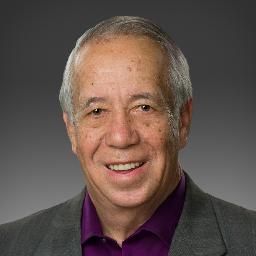
Louisiana · 17 yrs exp
LMHC LPC - Anxiety and Relationship support
Stress, Anxiety · Relationship · Family · Self esteem · +14 more
Read profile
Mississippi · 16 yrs exp
Licensed counselor - Anxiety and life stress
Stress, Anxiety · Parenting · Anger · Self esteem · +10 more
Read profile
Texas · 13 yrs exp
LCSW - Anxiety and relationship concerns
Stress, Anxiety · Relationship · Anger · Self esteem · +12 more
Read profile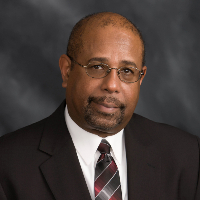
Mississippi · 51 yrs exp
Dr. Ricardo Gillispie, LCSW - Anxiety and Relationship support
Stress, Anxiety · Relationship · Self esteem · Depression · +15 more
Read profile
Florida · 30 yrs exp
Licensed Clinical Social Worker - Anxiety and Relationships
Stress, Anxiety · Trauma and abuse · Self esteem · Depression · +11 more
Read profile
Texas · 8 yrs exp
Licensed Professional Counselor - Anxiety and Relationships
Stress, Anxiety · Relationship · Family · Self esteem · +10 more
Read profile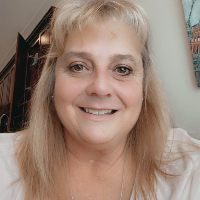
Louisiana · 30 yrs exp
Licensed Clinical Social Worker - anxiety and relationships
Stress, Anxiety · Relationship · Family · Trauma and abuse · +14 more
Read profileSexuality includes a broad range of human experience - your sexual orientation, gender expression, desires, interests, values and the way you relate to others. It also touches on biological responses, emotional needs and cultural messages about sex. For many people sexuality is not a single issue but an interwoven part of relationships, self-image and wellbeing. You might experience changes in desire over the course of your life, shifts in how you identify, or questions about what feels right for you. Those changes can bring up practical concerns as well as deeper emotional material.
When aspects of sexuality feel confusing, distressing or out of sync with your values and goals, they can affect sleep, mood, communication and relationship satisfaction. You may find yourself avoiding intimacy, feeling shame or anxiety around sexual topics, or struggling with mismatched desire in a partnership. Sexual experiences can also be affected by life transitions, medical changes, trauma history, cultural expectations and stress. Understanding sexuality as multidimensional helps you identify where support might help you feel more connected to yourself and to others.
You might consider seeking therapy if sexual concerns are causing ongoing distress in your life or relationships. Persistent worry, shame, avoidance of intimacy, or conflict with a partner about desire and boundaries are common reasons people reach out. If questions about identity or orientation feel overwhelming, or if you are navigating a recent change in how you identify or present, therapy can provide a space to explore these shifts. Therapy can also help when sexual difficulties interact with depression, anxiety or past experiences that continue to influence your present.
Practical signs that you may benefit from a specialist include trouble achieving satisfaction, unwanted sexual behaviors, performance concerns or pain during sex. You might be seeking clearer communication skills with partners, wanting to expand your sexual knowledge, or working through the aftermath of a sexual boundary violation. If any of these issues are affecting your quality of life or relationships, a focused therapeutic approach can help you identify goals and try new strategies in a deliberate way.
Early sessions usually involve an exploration of what brought you to therapy, your goals and relevant background information. Your therapist will ask about relationship patterns, sexual history, health factors and any emotional or behavioral concerns that intersect with sexuality. You and the therapist will discuss priorities and establish a plan that fits your pace and values. Expect a collaborative process where you guide what feels most important to address, and the therapist offers knowledge, skills and a framework for making change.
Therapy for sexuality often blends education, emotional processing and practical exercises. You may practice communication skills, experiment with new ways of connecting, or learn techniques that address physical aspects of sexual response. Sessions can include discussions about consent, boundaries and pleasure, as well as attention to cultural and social influences on your sexuality. Some therapists suggest gentle homework between sessions so you can apply what you learn in real life, although the pace and content will be tailored to your needs.
Therapists who work with sexuality draw on a range of approaches. Some use cognitive behavioral strategies to address unhelpful thoughts and behaviors that affect desire or performance. Others emphasize emotion-focused work to explore attachment patterns and how emotional closeness shapes sexual expression. There are therapists who list sex therapy or sexuality-focused frameworks among their approaches, which often include psychoeducation about anatomy, response cycles and communication techniques. Somatic approaches may attend to bodily sensation and the relationship between physical states and sexual experience.
When you review profiles, you will see a variety of terms and modalities. Therapists may list mindfulness, psychodynamic, couples therapy or trauma-informed care among their approaches. Keep in mind that listing an approach indicates interest in that method rather than a guarantee of a particular credential. If an approach resonates with you, you can read profiles for how a therapist describes working with sexual topics and whether their language feels inclusive and respectful of your identity.
Online therapy makes it possible to work with a therapist from your home or another personal setting. Sessions commonly happen by video or phone, and some practitioners offer messaging or email options. You should plan a comfortable, interruption-free space where you can speak openly. Technical issues can arise, so it helps to check that your internet connection and camera or phone setup meet your needs. Time zone differences and privacy considerations make it useful to confirm logistics and how the therapist manages notes and records before beginning work.
Many of the same therapeutic techniques used in person translate well to online sessions. Psychoeducation, communication practice, and some somatic awareness exercises can be guided remotely. For work that is highly body-focused or that requires in-person assessment, a therapist may discuss how to adapt the process or refer you to local resources. You should feel empowered to talk about what works for you in a virtual format and to request adjustments to pace, session length or methods.
Start by noticing what matters most to you - is it experience with sexual diversity, strength in couples work, knowledge of sexual response, or a trauma-informed approach? Use those priorities to narrow profiles by credentials, listed approaches, languages and any population specialties. Read therapists' descriptions to sense their tone and whether they use inclusive language about gender and orientation. You might look for references to consent, boundaries and respect for your values as indicators that a therapist will work in a collaborative way.
When you encounter multiple profiles, choose one that feels aligned enough to begin a conversation. It is normal to try more than one therapist before you find a good fit - what matters is that you feel heard, understood and able to set goals. Pay attention to how comfortable you feel discussing sexual topics with that person and whether their explanations of methods make sense to you. Selecting a therapist is both an intellectual and an emotional decision - trust your instincts while also weighing practical factors like communication style, languages spoken and the populations they emphasize working with.
Working with a therapist about sexuality can offer clarity, skills and new ways of relating to yourself and others. Whether you are exploring identity, addressing functional concerns, healing from past experiences or improving intimacy, thoughtful matching and an informed approach help you get the most from therapy. Take your time reviewing profiles, note the approaches that resonate, and choose someone whose descriptions reflect the respect and perspective you want in a therapeutic relationship.
Alabama
99 therapists
Alaska
8 therapists
Arizona
102 therapists
Arkansas
58 therapists
Australia
252 therapists
California
680 therapists
Colorado
159 therapists
Connecticut
70 therapists
Delaware
19 therapists
District of Columbia
19 therapists
Florida
718 therapists
Georgia
169 therapists
Hawaii
29 therapists
Idaho
49 therapists
Illinois
265 therapists
Indiana
124 therapists
Iowa
35 therapists
Kansas
45 therapists
Kentucky
115 therapists
Louisiana
142 therapists
Maine
23 therapists
Maryland
122 therapists
Massachusetts
119 therapists
Michigan
256 therapists
Minnesota
99 therapists
Mississippi
67 therapists
Missouri
174 therapists
Montana
43 therapists
Nebraska
44 therapists
Nevada
49 therapists
New Hampshire
19 therapists
New Jersey
171 therapists
New Mexico
31 therapists
New York
457 therapists
North Carolina
274 therapists
North Dakota
7 therapists
Ohio
200 therapists
Oklahoma
137 therapists
Oregon
41 therapists
Pennsylvania
259 therapists
Rhode Island
14 therapists
South Carolina
133 therapists
South Dakota
21 therapists
Tennessee
107 therapists
Texas
763 therapists
United Kingdom
1668 therapists
Utah
66 therapists
Vermont
19 therapists
Virginia
116 therapists
Washington
94 therapists
West Virginia
28 therapists
Wisconsin
116 therapists
Wyoming
19 therapists