
Kelley Sullivan
LCSWColorado · 19 yrs exp
LCSW - Anxiety and relationship concerns
Stress, Anxiety · Relationship · Trauma and abuse · Grief · +12 more
Read profileTherapist listings are provided by BetterHelp. We will earn a commission at no additional cost to you if you use our links to purchase.
This page highlights therapists who focus on relationship concerns, including couples work, intimacy, communication, and individual relationship patterns. Browse the listings below to review profiles, approaches, languages, and areas of focus that may align with your needs.
Colorado · 19 yrs exp
LCSW - Anxiety and relationship concerns
Stress, Anxiety · Relationship · Trauma and abuse · Grief · +12 more
Read profile
Alabama · 22 yrs exp
Licensed Professional Counselor - Anxiety and Stress
Stress, Anxiety · Trauma and abuse · Anger · Self esteem · +16 more
Read profile
Texas · 13 yrs exp
LCSW - Anxiety and relationship concerns
Stress, Anxiety · Relationship · Trauma and abuse · Anger · +11 more
Read profile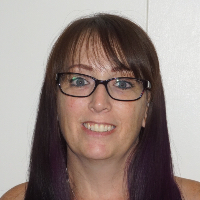
California · 23 yrs exp
Licensed MFT - Anxiety and Relationships
Stress, Anxiety · LGBT · Relationship · Family · +5 more
Read profile
Nevada · 30 yrs exp
LCPC and LMHC - Anxiety and Grief focus
Stress, Anxiety · Grief · Self esteem · Coping with life changes · +14 more
Read profile
New Jersey · 15 yrs exp
LCSW - Anxiety and relationship concerns
Stress, Anxiety · Family · Trauma and abuse · Parenting · +10 more
Read profile
Minnesota · 14 yrs exp
Minnesota LMFT - Relationships and Anxiety
Stress, Anxiety · Relationship · Family · Trauma and abuse · +8 more
Read profile
North Carolina · 16 yrs exp
LCMHC - Anxiety and Relationship concerns
Stress, Anxiety · Relationship · Trauma and abuse · Grief · +7 more
Read profile
Louisiana · 7 yrs exp
Licensed professional counselor - anxiety and trauma
Stress, Anxiety · Family · Trauma and abuse · Parenting · +15 more
Read profile
Florida · 25 yrs exp
Licensed Mental Health Counselor - Relationships and Trauma
Relationship · Trauma and abuse · Grief · Anger · +12 more
Read profile
Texas · 15 yrs exp
Licensed Professional Counselor - Anxiety and Trauma
Addictions · Relationship · Trauma and abuse · Grief · +13 more
Read profile
Florida · 7 yrs exp
Licensed counselor - Addiction and trauma focus
Addictions · Relationship · Family · Trauma and abuse · +13 more
Read profile
Texas · 12 yrs exp
LMFT focusing on anxiety and relationships
Stress, Anxiety · Addictions · Relationship · Grief · +11 more
Read profile
Missouri · 36 yrs exp
LCSW in Missouri - Anxiety and relationship concerns
Stress, Anxiety · Relationship · Trauma and abuse · Intimacy-related issues · +15 more
Read profile
New York · 5 yrs exp
Licensed Mental Health Counselor - Anxiety and Relationships
Stress, Anxiety · LGBT · Trauma and abuse · Bipolar · +12 more
Read profile
Rhode Island · 18 yrs exp
LMHC - Anxiety and Relationship concerns
Stress, Anxiety · Relationship · Trauma and abuse · Grief · +12 more
Read profile
Arizona · 6 yrs exp
Licensed Professional Counselor - Anxiety and Relationships
Stress, Anxiety · Relationship · Family · Self esteem · +11 more
Read profile
Hawaii · 7 yrs exp
LMFT - Anxiety and Family concerns
Stress, Anxiety · Addictions · Relationship · Family · +11 more
Read profile
Illinois · 20 yrs exp
Licensed counselor - Anxiety and relationships
Stress, Anxiety · LGBT · Anger · Self esteem · +12 more
Read profile
Florida · 12 yrs exp
Florida LMHC - Anxiety and Relationships
Stress, Anxiety · Relationship · Intimacy-related issues · Depression · +8 more
Read profile
New York · 11 yrs exp
New York LMHC - Anxiety and Life Transitions
Stress, Anxiety · Grief · Self esteem · Relationship · +8 more
Read profile
New York · 35 yrs exp
Dr. Colleen Downes - LCSW, Anxiety and Stress
Stress, Anxiety · Self esteem · Career · ADHD · +10 more
Read profile
Louisiana · 10 yrs exp
LPC counselor - Anxiety and relationships
Stress, Anxiety · Relationship · Family · Depression · +12 more
Read profile
Oregon · 32 yrs exp
LMFT - Anxiety and Relationship Concerns
Stress, Anxiety · Relationship · Trauma and abuse · Grief · +9 more
Read profile
Ohio · 33 yrs exp
LPCC counselor - Anxiety and trauma
Stress, Anxiety · Family · Trauma and abuse · Self esteem · +12 more
Read profile
Illinois · 10 yrs exp
Illinois LCPC - Anxiety and Relationships
Stress, Anxiety · LGBT · Relationship · Trauma and abuse · +10 more
Read profile
Oklahoma · 30 yrs exp
LPC Counselor - Anxiety and Life Changes
Stress, Anxiety · Grief · Intimacy-related issues · Depression · +8 more
Read profile
North Carolina · 13 yrs exp
LCSW - Anxiety and relationship concerns
Stress, Anxiety · Relationship · Family · Self esteem · +13 more
Read profile
Washington · 12 yrs exp
Washington LMHC - Anxiety and Relationships
Stress, Anxiety · Relationship · Family · Self esteem · +15 more
Read profile
Virginia · 6 yrs exp
Licensed Professional Counselor - Anxiety and Trauma
Stress, Anxiety · Trauma and abuse · Parenting · Depression · +4 more
Read profile
New York · 25 yrs exp
LCSW - Anxiety and relationship concerns
Stress, Anxiety · Trauma and abuse · Self esteem · Depression · +7 more
Read profile
Michigan · 35 yrs exp
LMSW - Anxiety and relationship concerns
Stress, Anxiety · Addictions · Trauma and abuse · Self esteem · +3 more
Read profile
Colorado · 11 yrs exp
LPC counselor - anxiety and life transitions
Stress, Anxiety · LGBT · Trauma and abuse · Anger · +15 more
Read profile
North Carolina · 20 yrs exp
Licensed Professional Counselor - Anxiety and Relationships
Stress, Anxiety · Relationship · Family · Self esteem · +9 more
Read profile
Illinois · 28 yrs exp
Licensed counselor - anxiety and relationships
Stress, Anxiety · Relationship · Grief · Self esteem · +8 more
Read profile
Texas · 21 yrs exp
LCSW - Anxiety and Relationship Concerns
Stress, Anxiety · Relationship · Trauma and abuse · Intimacy-related issues · +15 more
Read profile
Texas · 8 yrs exp
Licensed Professional Counselor - Anxiety and Life Changes
Stress, Anxiety · Grief · Self esteem · Career · +11 more
Read profile
Missouri · 14 yrs exp
Licensed Professional Counselor - Anxiety and Life Changes
Stress, Anxiety · Self esteem · Career · Depression · +13 more
Read profile
Virginia · 23 yrs exp
Licensed counselor - Anxiety and trauma
Stress, Anxiety · Trauma and abuse · Self esteem · Depression · +9 more
Read profile
Texas · 22 yrs exp
Dr. Ngozi Okose - LPC, anxiety and relationship concerns
Stress, Anxiety · Relationship · Trauma and abuse · Depression · +16 more
Read profile
Tennessee · 28 yrs exp
Tennessee psychologist - anxiety and relationships
Stress, Anxiety · Relationship · Grief · Depression · +10 more
Read profile
Pennsylvania · 35 yrs exp
Licensed counselor - anxiety and life changes
Stress, Anxiety · Self esteem · Career · Depression · +10 more
Read profile
Illinois · 25 yrs exp
Licensed Clinical Social Worker - Anxiety and Life Changes
Stress, Anxiety · Self esteem · Career · Coping with life changes · +10 more
Read profile
Louisiana · 20 yrs exp
LMFT and LPC - Anxiety and Relationship concerns
Stress, Anxiety · Addictions · Eating · Depression · +14 more
Read profile
Florida · 30 yrs exp
FL Psychologist - Anxiety and Stress
Stress, Anxiety · Grief · Anger · Depression · +15 more
Read profile
Wisconsin · 11 yrs exp
LPC in Wisconsin - anxiety and relationship concerns
Stress, Anxiety · Family · Trauma and abuse · Depression · +12 more
Read profile
Texas · 20 yrs exp
Licensed Professional Counselor - Anxiety and life changes
Stress, Anxiety · Trauma and abuse · Self esteem · Depression · +12 more
Read profile
Mississippi · 12 yrs exp
Licensed Clinical Social Worker - Anxiety and Addictions
Stress, Anxiety · Addictions · Anger · Self esteem · +12 more
Read profile
Texas · 23 yrs exp
LPC counselor - anxiety and relationships
Stress, Anxiety · Relationship · Self esteem · Career · +11 more
Read profile
Pennsylvania · 6 yrs exp
Licensed Professional Counselor - Anxiety and Relationships
Stress, Anxiety · LGBT · Relationship · Self esteem · +15 more
Read profile
Arizona · 22 yrs exp
Licensed Professional Counselor - Anxiety and Relationship support
Stress, Anxiety · Relationship · Family · Grief · +16 more
Read profile
Tennessee · 35 yrs exp
Licensed Clinical Social Worker - Anxiety and Life Changes
Stress, Anxiety · Grief · Self esteem · Depression · +8 more
Read profile
Virginia · 14 yrs exp
LPC - Trauma and anxiety focused
Trauma and abuse · Grief · Coping with life changes · Compassion fatigue · +12 more
Read profile
Georgia · 20 yrs exp
Licensed Professional Counselor - Anxiety and Addictions
Stress, Anxiety · Addictions · Anger · Bipolar · +10 more
Read profile
Georgia · 25 yrs exp
LISW social worker - anxiety and relationships
Stress, Anxiety · Parenting · Anger · Self esteem · +15 more
Read profile
Texas · 18 yrs exp
LPC in Texas - Anxiety and Relationships
Stress, Anxiety · Relationship · Family · Parenting · +9 more
Read profile
Nebraska · 25 yrs exp
LMHP - Stress and anxiety support
Stress, Anxiety · Family · Trauma and abuse · Parenting · +12 more
Read profile
Florida · 20 yrs exp
LMHC in Florida - Anxiety and life changes
Stress, Anxiety · Grief · Self esteem · Depression · +9 more
Read profile
Wisconsin · 11 yrs exp
Licensed counselor - anxiety and life changes
Stress, Anxiety · Relationship · Family · Self esteem · +6 more
Read profile
South Carolina · 20 yrs exp
Licensed clinical social worker - anxiety and eating concerns
Stress, Anxiety · Relationship · Eating · Self esteem · +10 more
Read profileRelationships shape much of daily life - how you spend time, how you make decisions, how you parent, and how you feel about yourself. When a relationship is fractured or out of balance, the impact often goes beyond the couple and can touch work, friendships, and wellbeing. You may notice recurring arguments about the same topics, a decline in emotional or physical intimacy, or a growing distance in day-to-day connection. For many people, relationship stress shows up as lowered patience, sleep disruption, changes in appetite, or trouble concentrating. None of these reactions mean something is wrong with you as a person; they are common responses to ongoing tension, loss of trust, transitions, or mismatched expectations.
Relationship-focused therapy invites you to look at patterns that develop between partners and the beliefs and histories that shape those patterns. That can include exploring attachment styles that influence how you seek closeness, the roles each partner assumes in conflict, or the ways unresolved issues from past relationships repeat themselves. Whether you are coping with a specific event like infidelity, navigating a major life change, or trying to improve day-to-day communication, a therapist can help you unpack the dynamics and identify practical steps toward change.
You might consider seeking relationship support if conflict has become regular and difficult to move through, or if you feel stuck repeating the same arguments. If conversations leave you feeling unheard, dismissed, or persistently anxious, those are signals that patterns have taken hold and change may require outside help. A drop in physical or emotional intimacy can be a sign that unmet needs or resentments are building. Trust injuries, whether from secrecy, betrayal, or boundary violations, often create a long shadow that affects everyday interactions.
Other indicators include frequent avoidance of important conversations, difficulty making joint decisions, and disagreements about parenting that escalate into chronic tension. You may also experience stress symptoms such as ongoing sadness, irritability, loss of interest in activities you once enjoyed, or conflicts that spill into work and friendships. Relationship work can be helpful when you want to stop repeating harmful cycles, learn new ways to communicate, rebuild safety after a breach, or make thoughtful choices about the relationship’s future.
Sessions often begin with an intake conversation to hear each person’s perspective and to map the patterns that keep the same problems recurring. Therapists typically collect background information about relationship history, sources of stress, and what each partner hopes to change. From there, goals are established collaboratively. You can expect an approach that balances immediate, practical skills with deeper exploration of how personal histories and interactional habits shape your connection.
Therapy can include both joint sessions with you and your partner as well as individual sessions, depending on the goals and the therapist’s approach. Early work commonly focuses on building safer communication - learning to express concerns without blaming and learning to listen without defending. Many therapists include experiential exercises in session so you practice new interactions in a guided setting, and they may suggest activities to try between sessions to reinforce what you are learning. Progress is rarely linear; some weeks feel like big steps forward while other moments expose difficult material that needs attention. The therapist’s role is to help create structure, offer feedback, and support both parties in becoming clearer about needs and boundaries.
There is no single model that fits every relationship. You will find therapists who list Emotionally Focused Therapy (EFT) among their approaches, therapists who list the Gottman method among their approaches, and others who list Cognitive Behavioral Therapy (CBT) or attachment-based work among their approaches. Some therapists describe a psychodynamic perspective that explores how past relationships influence current patterns, while others list solution-focused or narrative approaches that emphasize goals and story reframing. You may also see therapists who list family systems work among their approaches, which can be particularly relevant when relationships intersect with broader family dynamics.
When you review profiles, note whether therapists indicate experience with specific populations or relationship configurations. Many list areas such as work with LGBTQ+ relationships, blended family dynamics, consensual non-monogamy, or cultural and religious considerations. Because profile listings reflect how therapists describe their own practice, seeing an approach named is a signal of interest and orientation rather than an external credential. Thinking about the kinds of interventions you prefer - more skills-based, more emotionally explorative, or more structural - can help you choose a therapist whose listed approaches align with your goals.
Online therapy offers a way to work with a clinician remotely using video, phone, or messaging. Sessions by video try to replicate the conversational flow of an office visit while allowing you to participate from a setting that is comfortable and convenient. Some therapists use messaging or brief check-ins between sessions to maintain momentum. Platforms differ in technical features and privacy protections, so you may want to review a therapist’s stated practices for data handling and how they conduct remote sessions. Many practitioners combine online and in-person options depending on their practice setup and regional licensing.
Start by clarifying what you want to address and what success would look like. Are you focused on repairing trust, improving communication during conflict, working on parenting alignment, or deciding whether to stay together? Once you know the priorities, look for therapists who list approaches that match that work. Pay attention to language and cultural competence - therapists who describe experience with your community, language preferences, or relevant life stages may better understand context and values that shape your relationship. Consider whether you prefer a therapist who works primarily with couples, or someone who offers both individual and couples sessions, and whether you want a more directive or more reflective style.
Logistics matter as well. Think about session length and frequency that would fit your schedules, and whether remote sessions feel like a good option for your dynamic. If cost and insurance are factors, use the profile information to compare fee ranges or insurance acceptance statements. Finally, trust your sense of fit after an initial conversation or consultation. The therapist’s ability to listen to both partners, to remain nonjudgmental, and to articulate a clear plan for how they would work with your concerns are helpful indicators that the match may support productive work together.
Relationship therapy can create a structured space to address hard conversations, learn new interactional skills, and build a different pattern of relating. Whether you pursue work to rebuild connection, to improve communication, or to decide on next steps for the relationship, choosing a therapist whose approaches, experience, and cultural understanding align with your needs increases the chances that the time you invest will feel meaningful and focused.
Alabama
99 therapists
Alaska
8 therapists
Arizona
102 therapists
Arkansas
58 therapists
Australia
252 therapists
California
680 therapists
Colorado
159 therapists
Connecticut
70 therapists
Delaware
19 therapists
District of Columbia
19 therapists
Florida
718 therapists
Georgia
169 therapists
Hawaii
29 therapists
Idaho
49 therapists
Illinois
265 therapists
Indiana
124 therapists
Iowa
35 therapists
Kansas
45 therapists
Kentucky
115 therapists
Louisiana
142 therapists
Maine
23 therapists
Maryland
122 therapists
Massachusetts
119 therapists
Michigan
256 therapists
Minnesota
99 therapists
Mississippi
67 therapists
Missouri
174 therapists
Montana
43 therapists
Nebraska
44 therapists
Nevada
49 therapists
New Hampshire
19 therapists
New Jersey
171 therapists
New Mexico
31 therapists
New York
457 therapists
North Carolina
274 therapists
North Dakota
7 therapists
Ohio
200 therapists
Oklahoma
137 therapists
Oregon
41 therapists
Pennsylvania
259 therapists
Rhode Island
14 therapists
South Carolina
133 therapists
South Dakota
21 therapists
Tennessee
107 therapists
Texas
763 therapists
United Kingdom
1668 therapists
Utah
66 therapists
Vermont
19 therapists
Virginia
116 therapists
Washington
94 therapists
West Virginia
28 therapists
Wisconsin
116 therapists
Wyoming
19 therapists