
Brooke Bowen
LPCAlabama · 22 yrs exp
Licensed Professional Counselor - Anxiety and Stress
Stress, Anxiety · Trauma and abuse · Anger · Self esteem · +16 more
Read profileTherapist listings are provided by BetterHelp. We will earn a commission at no additional cost to you if you use our links to purchase.
This page connects you with therapists who list ADHD as a specialty and describe their approaches, credentials, and languages. Use the listings below to explore profiles and learn which clinicians align with your needs.
Read on for guidance about what ADHD therapy can involve and tips to help you choose a therapist.
Alabama · 22 yrs exp
Licensed Professional Counselor - Anxiety and Stress
Stress, Anxiety · Trauma and abuse · Anger · Self esteem · +16 more
Read profile
Nevada · 30 yrs exp
LCPC and LMHC - Anxiety and Grief focus
Stress, Anxiety · Grief · Self esteem · Coping with life changes · +14 more
Read profile
Louisiana · 7 yrs exp
Licensed professional counselor - anxiety and trauma
Stress, Anxiety · Family · Trauma and abuse · Parenting · +15 more
Read profile
Texas · 15 yrs exp
Licensed Professional Counselor - Anxiety and Trauma
Addictions · Relationship · Trauma and abuse · Grief · +13 more
Read profile
Texas · 12 yrs exp
LMFT focusing on anxiety and relationships
Stress, Anxiety · Addictions · Relationship · Grief · +11 more
Read profile
Missouri · 36 yrs exp
LCSW in Missouri - Anxiety and relationship concerns
Stress, Anxiety · Relationship · Trauma and abuse · Intimacy-related issues · +15 more
Read profile
New York · 5 yrs exp
Licensed Mental Health Counselor - Anxiety and Relationships
Stress, Anxiety · LGBT · Trauma and abuse · Bipolar · +12 more
Read profile
Rhode Island · 18 yrs exp
LMHC - Anxiety and Relationship concerns
Stress, Anxiety · Relationship · Trauma and abuse · Grief · +12 more
Read profile
Arizona · 6 yrs exp
Licensed Professional Counselor - Anxiety and Relationships
Stress, Anxiety · Relationship · Family · Self esteem · +11 more
Read profile
Hawaii · 7 yrs exp
LMFT - Anxiety and Family concerns
Stress, Anxiety · Addictions · Relationship · Family · +11 more
Read profile
Florida · 12 yrs exp
Florida LMHC - Anxiety and Relationships
Stress, Anxiety · Relationship · Intimacy-related issues · Depression · +8 more
Read profile
New York · 35 yrs exp
Dr. Colleen Downes - LCSW, Anxiety and Stress
Stress, Anxiety · Self esteem · Career · ADHD · +10 more
Read profile
Ohio · 33 yrs exp
LPCC counselor - Anxiety and trauma
Stress, Anxiety · Family · Trauma and abuse · Self esteem · +12 more
Read profile
Oklahoma · 30 yrs exp
LPC Counselor - Anxiety and Life Changes
Stress, Anxiety · Grief · Intimacy-related issues · Depression · +8 more
Read profile
North Carolina · 13 yrs exp
LCSW - Anxiety and relationship concerns
Stress, Anxiety · Relationship · Family · Self esteem · +13 more
Read profile
Washington · 12 yrs exp
Washington LMHC - Anxiety and Relationships
Stress, Anxiety · Relationship · Family · Self esteem · +15 more
Read profile
Colorado · 11 yrs exp
LPC counselor - anxiety and life transitions
Stress, Anxiety · LGBT · Trauma and abuse · Anger · +15 more
Read profile
North Carolina · 20 yrs exp
Licensed Professional Counselor - Anxiety and Relationships
Stress, Anxiety · Relationship · Family · Self esteem · +9 more
Read profile
Texas · 21 yrs exp
LCSW - Anxiety and Relationship Concerns
Stress, Anxiety · Relationship · Trauma and abuse · Intimacy-related issues · +15 more
Read profile
Texas · 8 yrs exp
Licensed Professional Counselor - Anxiety and Life Changes
Stress, Anxiety · Grief · Self esteem · Career · +11 more
Read profile
Missouri · 14 yrs exp
Licensed Professional Counselor - Anxiety and Life Changes
Stress, Anxiety · Self esteem · Career · Depression · +13 more
Read profile
Virginia · 23 yrs exp
Licensed counselor - Anxiety and trauma
Stress, Anxiety · Trauma and abuse · Self esteem · Depression · +9 more
Read profile
Texas · 22 yrs exp
Dr. Ngozi Okose - LPC, anxiety and relationship concerns
Stress, Anxiety · Relationship · Trauma and abuse · Depression · +16 more
Read profile
Illinois · 25 yrs exp
Licensed Clinical Social Worker - Anxiety and Life Changes
Stress, Anxiety · Self esteem · Career · Coping with life changes · +10 more
Read profile
Louisiana · 20 yrs exp
LMFT and LPC - Anxiety and Relationship concerns
Stress, Anxiety · Addictions · Eating · Depression · +14 more
Read profile
Florida · 30 yrs exp
FL Psychologist - Anxiety and Stress
Stress, Anxiety · Grief · Anger · Depression · +15 more
Read profile
Wisconsin · 11 yrs exp
LPC in Wisconsin - anxiety and relationship concerns
Stress, Anxiety · Family · Trauma and abuse · Depression · +12 more
Read profile
Louisiana · 14 yrs exp
LCSW - Anxiety and life stress
Stress, Anxiety · Anger · Self esteem · Depression · +9 more
Read profile
Texas · 20 yrs exp
Licensed Professional Counselor - Anxiety and life changes
Stress, Anxiety · Trauma and abuse · Self esteem · Depression · +12 more
Read profile
Mississippi · 12 yrs exp
Licensed Clinical Social Worker - Anxiety and Addictions
Stress, Anxiety · Addictions · Anger · Self esteem · +12 more
Read profile
Pennsylvania · 6 yrs exp
Licensed Professional Counselor - Anxiety and Relationships
Stress, Anxiety · LGBT · Relationship · Self esteem · +15 more
Read profile
Arizona · 22 yrs exp
Licensed Professional Counselor - Anxiety and Relationship support
Stress, Anxiety · Relationship · Family · Grief · +16 more
Read profile
Utah · 6 yrs exp
Licensed counselor - Anxiety and trauma
Stress, Anxiety · Trauma and abuse · Self esteem · Depression · +8 more
Read profile
Tennessee · 35 yrs exp
Licensed Clinical Social Worker - Anxiety and Life Changes
Stress, Anxiety · Grief · Self esteem · Depression · +8 more
Read profile
Virginia · 14 yrs exp
LPC - Trauma and anxiety focused
Trauma and abuse · Grief · Coping with life changes · Compassion fatigue · +12 more
Read profile
Georgia · 20 yrs exp
Licensed Professional Counselor - Anxiety and Addictions
Stress, Anxiety · Addictions · Anger · Bipolar · +10 more
Read profile
Georgia · 25 yrs exp
LISW social worker - anxiety and relationships
Stress, Anxiety · Parenting · Anger · Self esteem · +15 more
Read profile
Texas · 18 yrs exp
LPC in Texas - Anxiety and Relationships
Stress, Anxiety · Relationship · Family · Parenting · +9 more
Read profile
Nebraska · 25 yrs exp
LMHP - Stress and anxiety support
Stress, Anxiety · Family · Trauma and abuse · Parenting · +12 more
Read profile
Wisconsin · 11 yrs exp
Licensed counselor - anxiety and life changes
Stress, Anxiety · Relationship · Family · Self esteem · +6 more
Read profile
South Carolina · 20 yrs exp
Licensed clinical social worker - anxiety and eating concerns
Stress, Anxiety · Relationship · Eating · Self esteem · +10 more
Read profile
New York · 36 yrs exp
Licensed Mental Health Counselor - Anxiety and Family
Stress, Anxiety · Family · Parenting · Self esteem · +7 more
Read profile
Florida · 13 yrs exp
Florida LMHC - Anxiety and Relationships
Stress, Anxiety · Relationship · Intimacy-related issues · Depression · +15 more
Read profile
Louisiana · 10 yrs exp
Licensed Professional Counselor - Anxiety and Relationships
Stress, Anxiety · Trauma and abuse · Anger · Self esteem · +12 more
Read profile
Colorado · 19 yrs exp
Licensed Professional Counselor - anxiety and life changes
Stress, Anxiety · Addictions · Self esteem · Depression · +14 more
Read profile
Ohio · 17 yrs exp
LISW - Anxiety and Relationship Concerns
Stress, Anxiety · Family · Parenting · Depression · +12 more
Read profile
Arkansas · 44 yrs exp
Licensed Certified Social Worker - Anxiety and Stress
Stress, Anxiety · Trauma and abuse · Grief · Self esteem · +16 more
Read profile
Mississippi · 21 yrs exp
LCSW - Anxiety and stress focused
Stress, Anxiety · Family · Parenting · Anger · +9 more
Read profile
Michigan · 31 yrs exp
LMSW - Anxiety and relationship support
Stress, Anxiety · Family · Trauma and abuse · Self esteem · +16 more
Read profile
Missouri · 35 yrs exp
LCSW - Anxiety and relationship concerns
Stress, Anxiety · Trauma and abuse · Anger · Bipolar · +13 more
Read profile
New York · 13 yrs exp
Licensed Mental Health Counselor - Anxiety and life changes
Stress, Anxiety · Self esteem · Depression · Coping with life changes · +8 more
Read profile
North Carolina · 16 yrs exp
Licensed Clinical Social Worker - Anxiety and Addiction
Stress, Anxiety · Addictions · Trauma and abuse · Anger · +13 more
Read profile
Texas · 5 yrs exp
LCSW - Anxiety and Relationship concerns
Stress, Anxiety · Relationship · Family · Trauma and abuse · +9 more
Read profile
Texas · 3 yrs exp
Licensed Professional Counselor - Anxiety and Relationships
Stress, Anxiety · Addictions · Relationship · Family · +5 more
Read profile
Colorado · 15 yrs exp
LCSW - Anxiety and life transitions
Stress, Anxiety · Grief · Depression · Coping with life changes · +10 more
Read profile
New York · 25 yrs exp
Licensed Clinical Social Worker - Anxiety and Stress
Stress, Anxiety · Grief · Anger · Self esteem · +6 more
Read profile
Texas · 16 yrs exp
LPC in Texas - anxiety and addiction focus
Stress, Anxiety · Addictions · Self esteem · Depression · +9 more
Read profile
Colorado · 13 yrs exp
Licensed Marriage and Family Therapist - Anxiety and Relationships
Stress, Anxiety · LGBT · Relationship · Trauma and abuse · +10 more
Read profile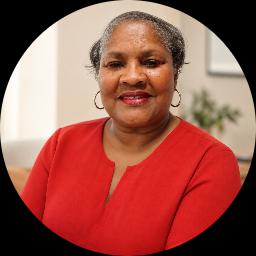
Oklahoma · 27 yrs exp
LPC counselor - anxiety and addiction support
Stress, Anxiety · Addictions · Parenting · Anger · +11 more
Read profile
Illinois · 10 yrs exp
Licensed Clinical Social Worker - Anxiety and Trauma
Stress, Anxiety · Trauma and abuse · Grief · Self esteem · +11 more
Read profileAttention-deficit/hyperactivity disorder, often called ADHD, is a pattern of differences in attention, impulse control, and activity level that shows up across settings in daily life. For some people, the most noticeable features are difficulty sustaining attention on tasks that feel mundane, a tendency to lose track of belongings, and frequent interruptions in conversations or activities. Others experience more internal restlessness, trouble organizing long-term projects, and a constant mental churn that makes it hard to relax. ADHD can look different across the lifespan - children may get labeled as highly active or easily distracted while adults may struggle with time management, relationship strain, and workplace organization.
You may notice that ADHD symptoms amplify stress, shape how you respond to deadlines, and affect relationships and self-esteem. Struggling to meet expectations at school or work can lead to frustration, shame, or avoidance, which in turn makes it harder to tackle tasks. Many people with ADHD also report difficulties with sleep regulation, fluctuating motivation, and heightened sensitivity to boredom or overstimulation. These experiences are part of a broader context - ADHD does not define you, but it often shapes how you navigate daily demands and cope with challenges.
If you find that procrastination, disorganization, frequent forgetfulness, or difficulties with impulse control are causing distress or getting in the way of goals, therapy can offer practical strategies and support. You might be considering therapy because you want better ways to manage time, maintain focus, reduce overwhelm, or improve relationships affected by impulsive reactions. Therapy is also commonly sought when ADHD-related struggles co-occur with anxiety, low mood, or chronic stress; even if you have received a formal diagnosis elsewhere, therapy can address functional problems and help you build sustainable routines.
Therapy for ADHD usually starts with an intake conversation to learn about your history, daily routines, strengths, and specific hurdles. Early sessions often focus on identifying the moments when symptoms are most disruptive and developing small, manageable goals. You can expect a collaborative process where the therapist helps you experiment with strategies tailored to your life - for example, breaking projects into clearer steps, adjusting your environment to reduce distractions, or rehearsing communication patterns to ease conflicts. Sessions are often practical and skill-oriented, but there is also room to explore emotions, identity, and the ways that ADHD has shaped your self-view. Therapy is not a one-size-fits-all intervention; it is a space to try solutions, adjust plans, and build momentum over time.
Many therapists focus on behavioral techniques to help with organization, time management, and task initiation. You will find clinicians who list cognitive-behavioral approaches among their methods, which often involve identifying unhelpful thinking patterns that interfere with follow-through and then practicing concrete techniques to change routines. Attention to structure - such as creating predictable daily schedules, visual reminders, and chunked work intervals - is a frequent emphasis. These strategies are intended to be practical and immediately applicable to the challenges you face in school, work, or home life.
Some therapists include mindfulness-informed practices to help you notice attention shifts and respond to them with less reactivity. Others mention coaching-style methods that concentrate on goal-setting, accountability, and habit formation. You will also find therapists who list emotionally focused or interpersonal approaches to address relational patterns that contribute to stress. When reviewing profiles, note that clinicians may list a range of approaches; the listings indicate the approaches they use, not external verification of specialized training. Discussing how an approach will be adapted to your situation is a useful topic for an initial conversation.
Online therapy offers a way to work with a therapist through video sessions, phone check-ins, or text-based messaging. This format can be particularly helpful if travel, scheduling, or sensory needs make in-person visits challenging. For ADHD, remote sessions allow you to work directly from your own environment, which can make it easier to practice organization strategies in real time and troubleshoot the systems you use at home or work. Online therapy can also expand your access to therapists who list certain specialties or languages that may not be available locally.
When you choose online sessions, consider creating a consistent spot for meetings where interruptions are minimized and you can reference planners, to-do lists, or digital tools. It helps to bring specific examples of struggles you faced since the last session and to be ready to test short behavioral experiments between appointments. Some therapists use shared documents or apps to track goals and reminders; others prefer phone-based check-ins. Ask potential therapists how they typically structure remote work for ADHD so you can understand how sessions will translate into daily practice.
Start by looking for therapists who explicitly list ADHD among their specialties and who describe approaches that fit your goals. If you want hands-on strategies for time management, favor therapists who emphasize behavioral or coaching elements. If emotional processing around self-esteem or relationship patterns is a priority, look for clinicians who mention interpersonal or psychotherapeutic approaches. Keep in mind that many therapists blend methods, and what matters most is how they tailor those methods to your circumstances.
Review profile details such as professional credentials and areas of focus to get a sense of a clinician's perspective. Languages spoken, experience with particular age groups, and notes about work with co-occurring issues can all help you narrow options. Think about logistics that matter to you - whether you prefer in-person or online sessions, what communication style you respond to, and whether cultural understanding or linguistic match is important. It can be helpful to treat initial outreach as an opportunity to ask how they approach goal-setting for ADHD and to learn how they gauge progress over time.
Therapy is a collaborative relationship, and rapport matters. In early conversations, notice whether the therapist listens to your priorities, asks about concrete challenges, and discusses practical strategies rather than relying on generalities. Pay attention to whether their suggested techniques feel doable in your daily life and whether they offer ways to measure small wins. You should feel that the therapist understands the specific ways ADHD affects you and is willing to co-create a plan that adapts as your needs evolve. If a particular match does not feel right after a few sessions, it is reasonable to explore other profiles to find a better fit.
Choosing a therapist is a personal decision and can take time. By learning about ADHD, clarifying what you want from therapy, and reviewing profiles that describe approaches and experience, you increase the chance of finding a clinician who can help you build practical skills and support meaningful change in everyday life.
Alabama
99 therapists
Alaska
8 therapists
Arizona
102 therapists
Arkansas
58 therapists
Australia
252 therapists
California
680 therapists
Colorado
159 therapists
Connecticut
70 therapists
Delaware
19 therapists
District of Columbia
19 therapists
Florida
718 therapists
Georgia
169 therapists
Hawaii
29 therapists
Idaho
49 therapists
Illinois
265 therapists
Indiana
124 therapists
Iowa
35 therapists
Kansas
45 therapists
Kentucky
115 therapists
Louisiana
142 therapists
Maine
23 therapists
Maryland
122 therapists
Massachusetts
119 therapists
Michigan
256 therapists
Minnesota
99 therapists
Mississippi
67 therapists
Missouri
174 therapists
Montana
43 therapists
Nebraska
44 therapists
Nevada
49 therapists
New Hampshire
19 therapists
New Jersey
171 therapists
New Mexico
31 therapists
New York
457 therapists
North Carolina
274 therapists
North Dakota
7 therapists
Ohio
200 therapists
Oklahoma
137 therapists
Oregon
41 therapists
Pennsylvania
259 therapists
Rhode Island
14 therapists
South Carolina
133 therapists
South Dakota
21 therapists
Tennessee
107 therapists
Texas
763 therapists
United Kingdom
1668 therapists
Utah
66 therapists
Vermont
19 therapists
Virginia
116 therapists
Washington
94 therapists
West Virginia
28 therapists
Wisconsin
116 therapists
Wyoming
19 therapists