
Brooke Bowen
LPCAlabama · 22 yrs exp
Licensed Professional Counselor - Anxiety and Stress
Stress, Anxiety · Trauma and abuse · Anger · Self esteem · +16 more
Read profileTherapist listings are provided by BetterHelp. We will earn a commission at no additional cost to you if you use our links to purchase.
On this page are therapist profiles focused on phobias and fear-related concerns. Browse listings to compare approaches, specialties, languages, and experience as a first step toward finding a good fit.
Alabama · 22 yrs exp
Licensed Professional Counselor - Anxiety and Stress
Stress, Anxiety · Trauma and abuse · Anger · Self esteem · +16 more
Read profile
Texas · 13 yrs exp
LCSW - Anxiety and relationship concerns
Stress, Anxiety · Relationship · Trauma and abuse · Anger · +11 more
Read profile
Minnesota · 14 yrs exp
Minnesota LMFT - Relationships and Anxiety
Stress, Anxiety · Relationship · Family · Trauma and abuse · +8 more
Read profile
Louisiana · 7 yrs exp
Licensed professional counselor - anxiety and trauma
Stress, Anxiety · Family · Trauma and abuse · Parenting · +15 more
Read profile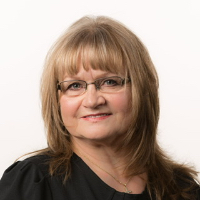
Texas · 15 yrs exp
Licensed Professional Counselor - Anxiety and Trauma
Addictions · Relationship · Trauma and abuse · Grief · +13 more
Read profile
Florida · 7 yrs exp
Licensed counselor - Addiction and trauma focus
Addictions · Relationship · Family · Trauma and abuse · +13 more
Read profile
Rhode Island · 18 yrs exp
LMHC - Anxiety and Relationship concerns
Stress, Anxiety · Relationship · Trauma and abuse · Grief · +12 more
Read profile
Florida · 12 yrs exp
Florida LMHC - Anxiety and Relationships
Stress, Anxiety · Relationship · Intimacy-related issues · Depression · +8 more
Read profile
Illinois · 10 yrs exp
Illinois LCPC - Anxiety and Relationships
Stress, Anxiety · LGBT · Relationship · Trauma and abuse · +10 more
Read profile
North Carolina · 13 yrs exp
LCSW - Anxiety and relationship concerns
Stress, Anxiety · Relationship · Family · Self esteem · +13 more
Read profile
Washington · 12 yrs exp
Washington LMHC - Anxiety and Relationships
Stress, Anxiety · Relationship · Family · Self esteem · +15 more
Read profile
New York · 25 yrs exp
LCSW - Anxiety and relationship concerns
Stress, Anxiety · Trauma and abuse · Self esteem · Depression · +7 more
Read profile
Colorado · 11 yrs exp
LPC counselor - anxiety and life transitions
Stress, Anxiety · LGBT · Trauma and abuse · Anger · +15 more
Read profile
Texas · 22 yrs exp
Dr. Ngozi Okose - LPC, anxiety and relationship concerns
Stress, Anxiety · Relationship · Trauma and abuse · Depression · +16 more
Read profile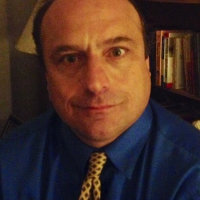
Louisiana · 20 yrs exp
LMFT and LPC - Anxiety and Relationship concerns
Stress, Anxiety · Addictions · Eating · Depression · +14 more
Read profile
Florida · 30 yrs exp
FL Psychologist - Anxiety and Stress
Stress, Anxiety · Grief · Anger · Depression · +15 more
Read profile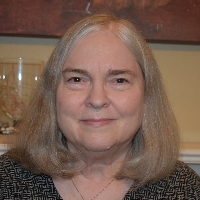
Texas · 20 yrs exp
Licensed Professional Counselor - Anxiety and life changes
Stress, Anxiety · Trauma and abuse · Self esteem · Depression · +12 more
Read profile
Pennsylvania · 6 yrs exp
Licensed Professional Counselor - Anxiety and Relationships
Stress, Anxiety · LGBT · Relationship · Self esteem · +15 more
Read profile
Arizona · 22 yrs exp
Licensed Professional Counselor - Anxiety and Relationship support
Stress, Anxiety · Relationship · Family · Grief · +16 more
Read profile
Georgia · 25 yrs exp
LISW social worker - anxiety and relationships
Stress, Anxiety · Parenting · Anger · Self esteem · +15 more
Read profile
Texas · 18 yrs exp
LPC in Texas - Anxiety and Relationships
Stress, Anxiety · Relationship · Family · Parenting · +9 more
Read profile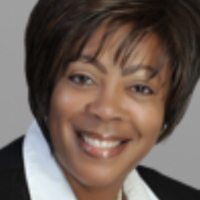
Louisiana · 10 yrs exp
Licensed Professional Counselor - Anxiety and Relationships
Stress, Anxiety · Trauma and abuse · Anger · Self esteem · +12 more
Read profile
Ohio · 17 yrs exp
LISW - Anxiety and Relationship Concerns
Stress, Anxiety · Family · Parenting · Depression · +12 more
Read profile
Arkansas · 44 yrs exp
Licensed Certified Social Worker - Anxiety and Stress
Stress, Anxiety · Trauma and abuse · Grief · Self esteem · +16 more
Read profile
Michigan · 31 yrs exp
LMSW - Anxiety and relationship support
Stress, Anxiety · Family · Trauma and abuse · Self esteem · +16 more
Read profile
North Carolina · 16 yrs exp
Licensed Clinical Social Worker - Anxiety and Addiction
Stress, Anxiety · Addictions · Trauma and abuse · Anger · +13 more
Read profile
New York · 25 yrs exp
Licensed Clinical Social Worker - Anxiety and Stress
Stress, Anxiety · Grief · Anger · Self esteem · +6 more
Read profile
Texas · 26 yrs exp
Licensed Professional Counselor - Anxiety and Relationships
Stress, Anxiety · Relationship · Trauma and abuse · Grief · +11 more
Read profile
Texas · 18 yrs exp
LPC counselor - anxiety and addictions
Stress, Anxiety · Addictions · LGBT · Relationship · +14 more
Read profile
South Carolina · 20 yrs exp
Licensed Professional Counselor - Anxiety and Relationships
Stress, Anxiety · Relationship · Trauma and abuse · Anger · +11 more
Read profile
Texas · 15 yrs exp
Licensed Professional Counselor - anxiety and life changes
Stress, Anxiety · Grief · Self esteem · Depression · +13 more
Read profile
Kentucky · 15 yrs exp
Licensed Clinical Social Worker - Anxiety and Relationships
Stress, Anxiety · Relationship · Parenting · Anger · +13 more
Read profile
Oklahoma · 9 yrs exp
LPC therapist - anxiety and life changes
Stress, Anxiety · Anger · Self esteem · Coping with life changes · +16 more
Read profile
Mississippi · 15 yrs exp
Licensed Professional Counselor - anxiety and relationships
Stress, Anxiety · Addictions · Relationship · Family · +5 more
Read profile
Florida · 19 yrs exp
Licensed Clinical Social Worker - Anxiety and Mood Concerns
Stress, Anxiety · Trauma and abuse · Grief · Depression · +9 more
Read profile
Idaho · 18 yrs exp
LCSW - Anxiety and coping support
Stress, Anxiety · Trauma and abuse · Grief · Self esteem · +10 more
Read profile
Nebraska · 34 yrs exp
LMHP counselor - anxiety and life changes
Stress, Anxiety · Addictions · Relationship · Family · +12 more
Read profile
New Jersey · 20 yrs exp
LMFT - Anxiety and Relationship concerns
Stress, Anxiety · Relationship · Trauma and abuse · Self esteem · +14 more
Read profile
Iowa · 25 yrs exp
LISW - Anxiety and relationship concerns
Stress, Anxiety · Relationship · Trauma and abuse · Self esteem · +12 more
Read profile
Colorado · 15 yrs exp
Licensed Professional Counselor - Anxiety and Trauma
Stress, Anxiety · Addictions · Trauma and abuse · Anger · +6 more
Read profile
North Carolina · 5 yrs exp
Licensed counselor - Anxiety and family concerns
Stress, Anxiety · Family · Trauma and abuse · Depression · +15 more
Read profile
Wisconsin · 8 yrs exp
Licensed Professional Counselor - Anxiety and Relationships
Stress, Anxiety · Relationship · Self esteem · Career · +10 more
Read profile
North Carolina · 22 yrs exp
LMFT - Anxiety and Relationship concerns
Stress, Anxiety · Addictions · Relationship · Family · +2 more
Read profile
Florida · 10 yrs exp
LMHC - Anxiety and Relationship Concerns
Stress, Anxiety · Addictions · Relationship · Anger · +7 more
Read profile
Washington · 50 yrs exp
LMHC - Anxiety and trauma focus
Stress, Anxiety · Trauma and abuse · Intimacy-related issues · Self esteem · +15 more
Read profile
Oklahoma · 3 yrs exp
Licensed Professional Counselor - Anxiety and Life Changes
Stress, Anxiety · Anger · Depression · Coping with life changes · +7 more
Read profile
Missouri · 45 yrs exp
Dr. Michael Cundiff LPC - Anxiety and Relationships
Stress, Anxiety · Relationship · Family · Parenting · +15 more
Read profile
Florida · 10 yrs exp
Licensed Mental Health Counselor - Anxiety and Stress
Stress, Anxiety · Addictions · Anger · Bipolar · +11 more
Read profile
Massachusetts · 27 yrs exp
LMHC - Anxiety and Relationship concerns
Stress, Anxiety · Relationship · Trauma and abuse · Grief · +12 more
Read profile
Illinois · 11 yrs exp
LCSW - Anxiety and life stress
Stress, Anxiety · Trauma and abuse · Grief · Self esteem · +4 more
Read profile
Louisiana · 17 yrs exp
LMHC LPC - Anxiety and Relationship support
Stress, Anxiety · Relationship · Family · Self esteem · +14 more
Read profile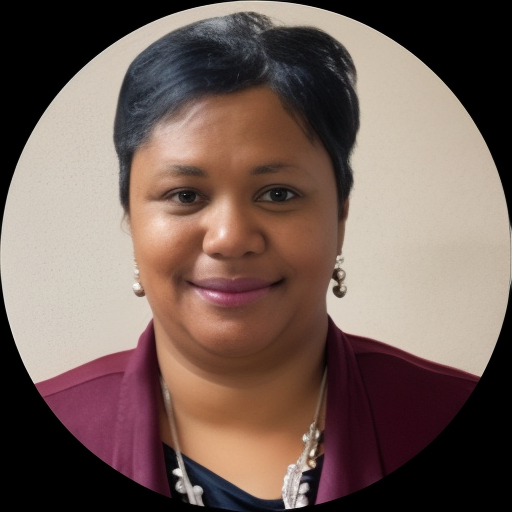
Mississippi · 16 yrs exp
Licensed counselor - Anxiety and life stress
Stress, Anxiety · Parenting · Anger · Self esteem · +10 more
Read profile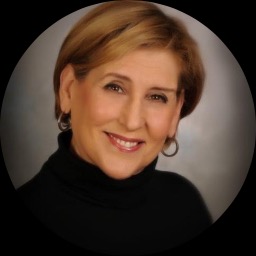
Michigan · 33 yrs exp
MI Psychologist - Anxiety and Phobias
Stress, Anxiety · Parenting · Coping with life changes · Addictions · +7 more
Read profile
Missouri · 15 yrs exp
Licensed Professional Counselor - Anxiety and Life Changes
Stress, Anxiety · Grief · Parenting · Depression · +1 more
Read profile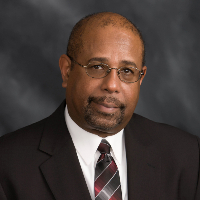
Mississippi · 51 yrs exp
Dr. Ricardo Gillispie, LCSW - Anxiety and Relationship support
Stress, Anxiety · Relationship · Self esteem · Depression · +15 more
Read profile
Kansas · 30 yrs exp
LSCSW - Anxiety and Trauma care
Stress, Anxiety · Trauma and abuse · Sleeping · Self esteem · +14 more
Read profile
Florida · 30 yrs exp
Licensed Clinical Social Worker - Anxiety and Relationships
Stress, Anxiety · Trauma and abuse · Self esteem · Depression · +11 more
Read profile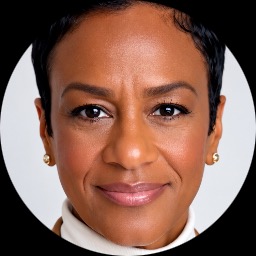
North Carolina · 20 yrs exp
Licensed counselor - Anxiety and trauma
Stress, Anxiety · Addictions · Trauma and abuse · Grief · +1 more
Read profile
Mississippi · 20 yrs exp
LPC counselor - Anxiety and relationship concerns
Stress, Anxiety · Relationship · Trauma and abuse · Anger · +10 more
Read profile
Florida · 25 yrs exp
Florida LMHC - Anxiety and Relationships
Stress, Anxiety · Relationship · Family · Self esteem · +13 more
Read profilePhobias are intense, often persistent fears of specific objects, situations, or experiences that most people would consider low risk. You might recognize a phobia when the thought of a trigger - such as flying, spiders, heights, or crowded places - produces a strong physical reaction like racing heart, sweating, trembling, or an intense urge to escape. For many people a phobia is more than feeling afraid; it can shape choices about work, travel, relationships, or daily routines. Avoidance becomes a coping strategy that, over time, can limit opportunity and increase stress.
How a phobia develops varies from person to person. Some people trace their fear to a distressing event, others notice a gradual pattern of worry and avoidance that strengthens with repetition. Cultural messages, family responses, and even learned behaviors from close relationships can contribute to how a particular fear becomes entrenched. Understanding that a phobia is a common human reaction that can be addressed is an important first step if you are considering professional support.
You might consider seeking therapy when a fear limits activities that matter to you or creates ongoing distress. This can include turning down opportunities because of anticipated triggers, rearranging travel plans or work responsibilities to avoid a situation, or feeling humiliation and isolation after intense reactions. If worry about encountering a trigger occupies a lot of mental energy, or if the physical symptoms of anxiety are frequent and intense, those are common reasons people pursue treatment.
Therapy for phobias is appropriate whether the fear is relatively specific - such as a fear of needles or dogs - or more situational - such as social situations or enclosed spaces. You do not need a formal diagnosis to benefit from therapy; many people seek help to learn skills, reduce avoidance, and regain control. If the fear contributes to panic attacks, persistent avoided areas of life, or limits your ability to pursue goals, a therapist can work with you to build a plan that fits your needs.
In early sessions a therapist will usually take time to understand the history of the fear, how it affects daily life, and what you hope to achieve. You can expect a collaborative conversation where the therapist asks about triggers, prior coping strategies, and any physical or emotional symptoms you experience. Together you will set goals that are meaningful to you - whether that is reducing panic, safely approaching a feared situation, or decreasing avoidance so life feels fuller.
Therapy often balances learning skills in session and practicing them in the real world. You will likely work on techniques to manage anxiety in the moment, cognitive strategies to challenge unhelpful thoughts, and gradual exposure plans to reduce avoidance. Sessions provide a place to reflect on practice attempts, troubleshoot setbacks, and adjust pacing. Progress is usually gradual; many people find relief as avoidance decreases and confidence in managing fear grows.
There are several therapeutic methods commonly used to address phobias. Exposure-based approaches focus on carefully and gradually confronting feared situations so the nervous system can learn that the trigger is not as dangerous as it feels. Cognitive-behavioral approaches combine exposure with techniques to identify and modify thoughts that amplify fear. Relaxation and breathing strategies are often taught to help manage physical symptoms during exposure and daily life.
Some therapists list acceptance-based approaches among their methods, which emphasize noticing anxious thoughts without attempting to push them away, and engaging in valued actions despite discomfort. Others may list approaches such as mindfulness or somatic techniques to help people reconnect with bodily signals and reduce tension. You may also see therapists who list EMDR among their approaches; in some cases clinicians use that approach for fear memories that maintain phobic responses. When reviewing profiles, note which approaches are listed so you can discuss with a therapist how they'd apply them to your situation.
Online therapy offers a format for meeting with a therapist from home or another quiet setting. Sessions typically use video or sometimes telephone, allowing you to work on anxiety management skills and cognitive strategies in a familiar environment. For certain phobias - such as those tied to social situations or travel anxiety - online work can be a convenient starting place to build skills before attempting in-person exposures. For other phobias, therapists may guide you to practice exposures in real-world settings between virtual sessions.
Working online can also make it easier to fit therapy into a busy schedule, connect with clinicians who speak your preferred language, or find clinicians who list specific phobia-focused approaches regardless of location. Therapists who offer online care will often discuss how they structure virtual sessions and what to do if intense anxiety arises during or after a session. If you choose online work, consider practical details such as ensuring a quiet place for sessions, good internet connection, and a plan for managing distress after a challenging exposure exercise.
When selecting a therapist, think about focus areas and the kinds of fears that matter most to you. Some clinicians highlight work with specific phobias like animal fears or medical procedures, while others emphasize situational fears such as social anxiety or claustrophobia. Look for profiles that describe experience with fears similar to yours so initial conversations can be targeted and efficient.
Compare the therapeutic approaches therapists list and consider which feel like a good fit. If you prefer structured, skills-based work, seek therapists who list cognitive-behavioral and exposure-focused approaches among their methods. If you are interested in exploring emotions, past experiences, or body-centered practices, look for those approaches in profiles as well. Remember that a listing of an approach does not equal certification - view it as a signal of orientation that you can discuss during an initial consultation.
Credentials and licensure information can help you understand a clinician's professional background, while languages spoken and cultural experience may be important if you prefer sessions in a particular language or want a therapist familiar with specific cultural contexts. Also consider practical matters such as session format - in-person, online, or a mix - and how that aligns with your goals. Trust your sense of rapport after an introductory conversation; feeling heard and understood is often a key ingredient for effective work on phobias.
Finally, prepare questions for the first meeting about how the therapist would approach exposure work, how progress is measured, and how to handle setbacks. Ask about the pace of change and how you will be supported between sessions. A good match does not guarantee immediate relief, but it can create a clearer path toward reducing avoidance and reclaiming activities that matter to you.
Phobias can be challenging, but many people find that a structured, collaborative approach helps them regain confidence and expand what is possible in daily life. Use the listings on this page to explore clinicians who list phobia-focused approaches, read profiles for details that matter to you, and choose a therapist whose orientation and experience align with your goals.
Alabama
99 therapists
Alaska
8 therapists
Arizona
102 therapists
Arkansas
58 therapists
Australia
252 therapists
California
680 therapists
Colorado
159 therapists
Connecticut
70 therapists
Delaware
19 therapists
District of Columbia
19 therapists
Florida
718 therapists
Georgia
169 therapists
Hawaii
29 therapists
Idaho
49 therapists
Illinois
265 therapists
Indiana
124 therapists
Iowa
35 therapists
Kansas
45 therapists
Kentucky
115 therapists
Louisiana
142 therapists
Maine
23 therapists
Maryland
122 therapists
Massachusetts
119 therapists
Michigan
256 therapists
Minnesota
99 therapists
Mississippi
67 therapists
Missouri
174 therapists
Montana
43 therapists
Nebraska
44 therapists
Nevada
49 therapists
New Hampshire
19 therapists
New Jersey
171 therapists
New Mexico
31 therapists
New York
457 therapists
North Carolina
274 therapists
North Dakota
7 therapists
Ohio
200 therapists
Oklahoma
137 therapists
Oregon
41 therapists
Pennsylvania
259 therapists
Rhode Island
14 therapists
South Carolina
133 therapists
South Dakota
21 therapists
Tennessee
107 therapists
Texas
763 therapists
United Kingdom
1668 therapists
Utah
66 therapists
Vermont
19 therapists
Virginia
116 therapists
Washington
94 therapists
West Virginia
28 therapists
Wisconsin
116 therapists
Wyoming
19 therapists