
Kelley Sullivan
LCSWColorado · 19 yrs exp
LCSW - Anxiety and relationship concerns
Stress, Anxiety · Relationship · Trauma and abuse · Grief · +12 more
Read profileTherapist listings are provided by BetterHelp. We will earn a commission at no additional cost to you if you use our links to purchase.
This directory page features therapists who list panic disorder and panic attack support among their focus areas. Browse profiles below to review approaches, credentials, languages and experience.
Use the listings to learn about different therapeutic styles and to find practitioners whose background matches what you are seeking.
Colorado · 19 yrs exp
LCSW - Anxiety and relationship concerns
Stress, Anxiety · Relationship · Trauma and abuse · Grief · +12 more
Read profile
Alabama · 22 yrs exp
Licensed Professional Counselor - Anxiety and Stress
Stress, Anxiety · Trauma and abuse · Anger · Self esteem · +16 more
Read profile
Texas · 13 yrs exp
LCSW - Anxiety and relationship concerns
Stress, Anxiety · Relationship · Trauma and abuse · Anger · +11 more
Read profile
Minnesota · 14 yrs exp
Minnesota LMFT - Relationships and Anxiety
Stress, Anxiety · Relationship · Family · Trauma and abuse · +8 more
Read profile
District of Columbia · 20 yrs exp
LPC in DC - Trauma and mood concerns
Trauma and abuse · Self esteem · Bipolar · Depression · +1 more
Read profile
North Carolina · 16 yrs exp
LCMHC - Anxiety and Relationship concerns
Stress, Anxiety · Relationship · Trauma and abuse · Grief · +7 more
Read profile
Florida · 25 yrs exp
Licensed Mental Health Counselor - Relationships and Trauma
Relationship · Trauma and abuse · Grief · Anger · +12 more
Read profile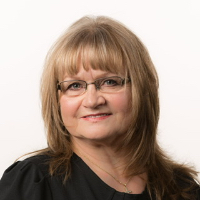
Texas · 15 yrs exp
Licensed Professional Counselor - Anxiety and Trauma
Addictions · Relationship · Trauma and abuse · Grief · +13 more
Read profile
Florida · 7 yrs exp
Licensed counselor - Addiction and trauma focus
Addictions · Relationship · Family · Trauma and abuse · +13 more
Read profile
Texas · 12 yrs exp
LMFT focusing on anxiety and relationships
Stress, Anxiety · Addictions · Relationship · Grief · +11 more
Read profile
Missouri · 36 yrs exp
LCSW in Missouri - Anxiety and relationship concerns
Stress, Anxiety · Relationship · Trauma and abuse · Intimacy-related issues · +15 more
Read profile
New York · 5 yrs exp
Licensed Mental Health Counselor - Anxiety and Relationships
Stress, Anxiety · LGBT · Trauma and abuse · Bipolar · +12 more
Read profile
Rhode Island · 18 yrs exp
LMHC - Anxiety and Relationship concerns
Stress, Anxiety · Relationship · Trauma and abuse · Grief · +12 more
Read profile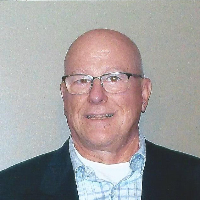
Illinois · 20 yrs exp
Licensed counselor - Anxiety and relationships
Stress, Anxiety · LGBT · Anger · Self esteem · +12 more
Read profile
Florida · 12 yrs exp
Florida LMHC - Anxiety and Relationships
Stress, Anxiety · Relationship · Intimacy-related issues · Depression · +8 more
Read profile
New York · 11 yrs exp
New York LMHC - Anxiety and Life Transitions
Stress, Anxiety · Grief · Self esteem · Relationship · +8 more
Read profile
Louisiana · 10 yrs exp
LPC counselor - Anxiety and relationships
Stress, Anxiety · Relationship · Family · Depression · +12 more
Read profile
Ohio · 33 yrs exp
LPCC counselor - Anxiety and trauma
Stress, Anxiety · Family · Trauma and abuse · Self esteem · +12 more
Read profile
Illinois · 10 yrs exp
Illinois LCPC - Anxiety and Relationships
Stress, Anxiety · LGBT · Relationship · Trauma and abuse · +10 more
Read profile
North Carolina · 13 yrs exp
LCSW - Anxiety and relationship concerns
Stress, Anxiety · Relationship · Family · Self esteem · +13 more
Read profile
Washington · 12 yrs exp
Washington LMHC - Anxiety and Relationships
Stress, Anxiety · Relationship · Family · Self esteem · +15 more
Read profile
Virginia · 6 yrs exp
Licensed Professional Counselor - Anxiety and Trauma
Stress, Anxiety · Trauma and abuse · Parenting · Depression · +4 more
Read profile
New York · 25 yrs exp
LCSW - Anxiety and relationship concerns
Stress, Anxiety · Trauma and abuse · Self esteem · Depression · +7 more
Read profile
Michigan · 35 yrs exp
LMSW - Anxiety and relationship concerns
Stress, Anxiety · Addictions · Trauma and abuse · Self esteem · +3 more
Read profile
Colorado · 11 yrs exp
LPC counselor - anxiety and life transitions
Stress, Anxiety · LGBT · Trauma and abuse · Anger · +15 more
Read profile
Texas · 21 yrs exp
LCSW - Anxiety and Relationship Concerns
Stress, Anxiety · Relationship · Trauma and abuse · Intimacy-related issues · +15 more
Read profile
Texas · 8 yrs exp
Licensed Professional Counselor - Anxiety and Life Changes
Stress, Anxiety · Grief · Self esteem · Career · +11 more
Read profile
Texas · 22 yrs exp
Dr. Ngozi Okose - LPC, anxiety and relationship concerns
Stress, Anxiety · Relationship · Trauma and abuse · Depression · +16 more
Read profile
Tennessee · 28 yrs exp
Tennessee psychologist - anxiety and relationships
Stress, Anxiety · Relationship · Grief · Depression · +10 more
Read profile
Illinois · 25 yrs exp
Licensed Clinical Social Worker - Anxiety and Life Changes
Stress, Anxiety · Self esteem · Career · Coping with life changes · +10 more
Read profile
Louisiana · 20 yrs exp
LMFT and LPC - Anxiety and Relationship concerns
Stress, Anxiety · Addictions · Eating · Depression · +14 more
Read profile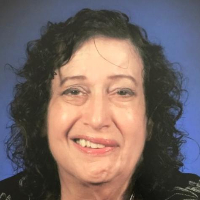
Florida · 30 yrs exp
FL Psychologist - Anxiety and Stress
Stress, Anxiety · Grief · Anger · Depression · +15 more
Read profile
Wisconsin · 11 yrs exp
LPC in Wisconsin - anxiety and relationship concerns
Stress, Anxiety · Family · Trauma and abuse · Depression · +12 more
Read profile
Louisiana · 14 yrs exp
LCSW - Anxiety and life stress
Stress, Anxiety · Anger · Self esteem · Depression · +9 more
Read profile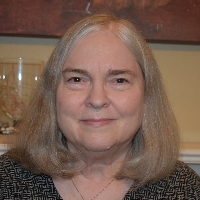
Texas · 20 yrs exp
Licensed Professional Counselor - Anxiety and life changes
Stress, Anxiety · Trauma and abuse · Self esteem · Depression · +12 more
Read profile
Mississippi · 12 yrs exp
Licensed Clinical Social Worker - Anxiety and Addictions
Stress, Anxiety · Addictions · Anger · Self esteem · +12 more
Read profile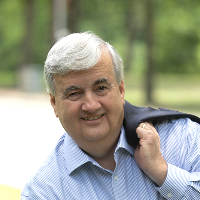
Texas · 23 yrs exp
LPC counselor - anxiety and relationships
Stress, Anxiety · Relationship · Self esteem · Career · +11 more
Read profile
Pennsylvania · 6 yrs exp
Licensed Professional Counselor - Anxiety and Relationships
Stress, Anxiety · LGBT · Relationship · Self esteem · +15 more
Read profile
Arizona · 22 yrs exp
Licensed Professional Counselor - Anxiety and Relationship support
Stress, Anxiety · Relationship · Family · Grief · +16 more
Read profile
Utah · 6 yrs exp
Licensed counselor - Anxiety and trauma
Stress, Anxiety · Trauma and abuse · Self esteem · Depression · +8 more
Read profile
Tennessee · 35 yrs exp
Licensed Clinical Social Worker - Anxiety and Life Changes
Stress, Anxiety · Grief · Self esteem · Depression · +8 more
Read profile
Virginia · 14 yrs exp
LPC - Trauma and anxiety focused
Trauma and abuse · Grief · Coping with life changes · Compassion fatigue · +12 more
Read profile
Georgia · 20 yrs exp
Licensed Professional Counselor - Anxiety and Addictions
Stress, Anxiety · Addictions · Anger · Bipolar · +10 more
Read profile
Georgia · 25 yrs exp
LISW social worker - anxiety and relationships
Stress, Anxiety · Parenting · Anger · Self esteem · +15 more
Read profile
Texas · 18 yrs exp
LPC in Texas - Anxiety and Relationships
Stress, Anxiety · Relationship · Family · Parenting · +9 more
Read profile
Nebraska · 25 yrs exp
LMHP - Stress and anxiety support
Stress, Anxiety · Family · Trauma and abuse · Parenting · +12 more
Read profile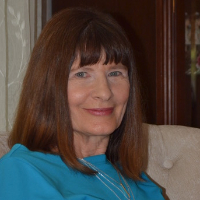
Florida · 20 yrs exp
LMHC in Florida - Anxiety and life changes
Stress, Anxiety · Grief · Self esteem · Depression · +9 more
Read profile
South Carolina · 20 yrs exp
Licensed clinical social worker - anxiety and eating concerns
Stress, Anxiety · Relationship · Eating · Self esteem · +10 more
Read profile
Colorado · 9 yrs exp
Licensed Clinical Social Worker - Anxiety and relationships
Stress, Anxiety · Relationship · Grief · Depression · +11 more
Read profile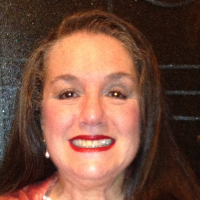
Florida · 13 yrs exp
Florida LMHC - Anxiety and Relationships
Stress, Anxiety · Relationship · Intimacy-related issues · Depression · +15 more
Read profile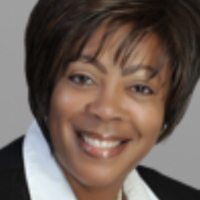
Louisiana · 10 yrs exp
Licensed Professional Counselor - Anxiety and Relationships
Stress, Anxiety · Trauma and abuse · Anger · Self esteem · +12 more
Read profile
Colorado · 19 yrs exp
Licensed Professional Counselor - anxiety and life changes
Stress, Anxiety · Addictions · Self esteem · Depression · +14 more
Read profile
Louisiana · 14 yrs exp
LPC - Anxiety and Relationship Concerns
Stress, Anxiety · Parenting · Anger · Self esteem · +1 more
Read profile
Ohio · 17 yrs exp
LISW - Anxiety and Relationship Concerns
Stress, Anxiety · Family · Parenting · Depression · +12 more
Read profile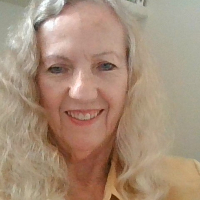
Arkansas · 44 yrs exp
Licensed Certified Social Worker - Anxiety and Stress
Stress, Anxiety · Trauma and abuse · Grief · Self esteem · +16 more
Read profile
Oklahoma · 33 yrs exp
LPC counselor - Anxiety and depression
Stress, Anxiety · Depression · Coping with life changes · Relationship · +4 more
Read profile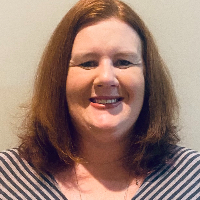
Mississippi · 21 yrs exp
LCSW - Anxiety and stress focused
Stress, Anxiety · Family · Parenting · Anger · +9 more
Read profile
Michigan · 31 yrs exp
LMSW - Anxiety and relationship support
Stress, Anxiety · Family · Trauma and abuse · Self esteem · +16 more
Read profile
Missouri · 35 yrs exp
LCSW - Anxiety and relationship concerns
Stress, Anxiety · Trauma and abuse · Anger · Bipolar · +13 more
Read profile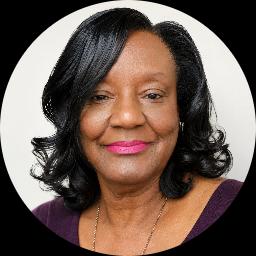
Louisiana · 25 yrs exp
Licensed Clinical Social Worker - Anxiety and Stress
Stress, Anxiety · Family · Anger · Self esteem · +1 more
Read profilePanic attacks are sudden episodes of intense fear or discomfort that reach a peak within minutes. During an attack you may notice a rapid heartbeat, shortness of breath, dizziness, trembling, sweating or a sense of unreality. For some people these symptoms occur in specific situations and for others the attacks seem to come out of the blue. When panic attacks recur and lead to persistent worry about having more attacks or to changes in behavior - for example avoiding places where an attack happened - this pattern can be described as panic disorder. Panic disorder can shape the choices you make about work, travel and social life, and it can leave you feeling exhausted by the effort of managing fear.
Because panic attacks involve both physical sensations and strong emotional responses, they can be confusing and frightening. People often interpret the bodily sensations as a sign that something is wrong medically, which feeds more anxiety. Over time this cycle can increase avoidance and reduce confidence. Understanding the interplay between body, thought and behavior is a useful first step toward reducing the power of panic and reclaiming daily routines.
You might consider looking for a therapist if panic attacks are frequent, intense or unpredictable enough to interfere with activities you care about. If you notice that you consistently avoid situations, places or tasks because you fear an attack, therapy can help you explore what is maintaining that avoidance and how to move forward. Likewise, if worry about future attacks takes up a lot of mental space, you may notice difficulty concentrating, trouble sleeping or reduced enjoyment in relationships. Therapy can give you structured time to address those patterns and to develop strategies for managing symptoms.
Another sign that therapy could be useful is if panic symptoms overlap with other concerns such as social anxiety, health anxiety, depression or substance use. A therapist can help you disentangle how these issues interact and prioritize steps that will improve daily functioning. You do not need to wait until symptoms reach a crisis level to seek help. Early work can reduce the long-term toll of avoidance and constant vigilance and can make it easier to practice valuable coping skills in everyday life.
Early therapy sessions usually focus on building a shared understanding of your experience. You and your therapist will talk about when panic attacks started, what they feel like for you, and how they affect your life. Many therapists will ask about medical history and current supports so they can make recommendations that fit your situation. Expect to work collaboratively to set goals that are realistic and meaningful, whether that means reducing the frequency of attacks, increasing your ability to leave the house, or managing anticipatory worry.
As therapy continues, you will likely spend time learning skills to manage the body sensations and thoughts that accompany panic. This can include breathing and grounding techniques, strategies for calming heightened arousal, and ways to challenge catastrophic thinking. A gradual step-by-step approach is often used to help you face feared situations in a controlled way, build tolerance to uncomfortable sensations and regain confidence. Sessions also provide a space to process emotions that may be linked to panic - such as shame, anger or grief - and to plan practical changes in daily routines that support resilience. Progress may come in small increments, but steady practice of new skills often brings measurable changes in how you respond to panic triggers.
Many therapists who work with panic disorder mention cognitive and behavioral methods among their approaches. These methods focus on how thoughts and behaviors influence panic and include techniques to reframe unhelpful beliefs and to reduce avoidance through gradual exposure. Exposure in this context can mean intentionally approaching feared situations or intentionally provoking mild bodily sensations in a controlled way so you can learn that those sensations are not dangerous. Some therapists also describe teaching interoceptive techniques, which are exercises that help you become more tolerant of bodily sensations that often trigger panic.
Other approaches you may see listed include mindfulness and relaxation-based strategies that aim to change your relationship to anxious sensations rather than eliminate them. Therapists sometimes integrate emotion-focused work to explore underlying feelings that contribute to panic, and relational approaches to address patterns that show up in close relationships. When therapists list medication management collaboration as part of their practice, they generally mean they will coordinate with medical prescribers if that is part of your plan. Remember that a therapist listing an approach does not guarantee training or certification in that method, so it can be useful to ask about experience and how the approach would be applied to your goals during an initial conversation.
Online therapy can make it easier to access help from home, from work or while traveling, and many therapists who list panic disorder as a focus offer video or phone sessions. Virtual sessions typically follow a similar structure to in-person work - assessment, skill-building, practice and review - but you may be asked to try exercises between sessions in the environment where panic occurs. Some people find it helpful to practice exposure and grounding techniques in real settings with support from their therapist via video. When you begin online work, discuss practicalities such as technical platforms, session length and how to handle any urgent situations that arise between meetings.
When choosing a therapist for panic disorder, look for profiles that clearly describe experience with panic-related concerns, the approaches the therapist lists and any languages spoken that match your needs. Consider how comfortable you feel with the therapist's stated orientation and whether their description of therapy aligns with your goals. You may prefer someone who emphasizes skill training and behavioral practice, or someone who focuses more on emotional processing and relational patterns. It can be helpful to notice whether the therapist mentions collaboration with medical professionals if you are considering medication as part of your plan. Pay attention to logistics such as session format - video, phone or hybrid - and to the practical details of communication and scheduling explained on the profile.
Finding the right fit often involves balancing your symptom profile, personal preferences and the therapist's described approaches. Use the listings to compare profiles, and when you reach out to a therapist ask brief questions about how they would approach panic-related goals. That conversation can give you a sense of their style and whether it feels like a constructive match for the work you want to do.
Alabama
99 therapists
Alaska
8 therapists
Arizona
102 therapists
Arkansas
58 therapists
Australia
252 therapists
California
680 therapists
Colorado
159 therapists
Connecticut
70 therapists
Delaware
19 therapists
District of Columbia
19 therapists
Florida
718 therapists
Georgia
169 therapists
Hawaii
29 therapists
Idaho
49 therapists
Illinois
265 therapists
Indiana
124 therapists
Iowa
35 therapists
Kansas
45 therapists
Kentucky
115 therapists
Louisiana
142 therapists
Maine
23 therapists
Maryland
122 therapists
Massachusetts
119 therapists
Michigan
256 therapists
Minnesota
99 therapists
Mississippi
67 therapists
Missouri
174 therapists
Montana
43 therapists
Nebraska
44 therapists
Nevada
49 therapists
New Hampshire
19 therapists
New Jersey
171 therapists
New Mexico
31 therapists
New York
457 therapists
North Carolina
274 therapists
North Dakota
7 therapists
Ohio
200 therapists
Oklahoma
137 therapists
Oregon
41 therapists
Pennsylvania
259 therapists
Rhode Island
14 therapists
South Carolina
133 therapists
South Dakota
21 therapists
Tennessee
107 therapists
Texas
763 therapists
United Kingdom
1668 therapists
Utah
66 therapists
Vermont
19 therapists
Virginia
116 therapists
Washington
94 therapists
West Virginia
28 therapists
Wisconsin
116 therapists
Wyoming
19 therapists