
Kelley Sullivan
LCSWColorado · 19 yrs exp
LCSW - Anxiety and relationship concerns
Stress, Anxiety · Relationship · Trauma and abuse · Grief · +12 more
Read profileTherapist listings are provided by BetterHelp. We will earn a commission at no additional cost to you if you use our links to purchase.
This page features therapists who work with commitment issues, relationship hesitation, and ambivalence. Browse the profiles below to review approaches, experience, languages, and focus areas to help find a good match.
Colorado · 19 yrs exp
LCSW - Anxiety and relationship concerns
Stress, Anxiety · Relationship · Trauma and abuse · Grief · +12 more
Read profile
Alabama · 22 yrs exp
Licensed Professional Counselor - Anxiety and Stress
Stress, Anxiety · Trauma and abuse · Anger · Self esteem · +16 more
Read profile
Texas · 13 yrs exp
LCSW - Anxiety and relationship concerns
Stress, Anxiety · Relationship · Trauma and abuse · Anger · +11 more
Read profile
Florida · 23 yrs exp
LICSW LCSW - LGBT and intimacy areas
LGBT · Intimacy-related issues
Read profile
Louisiana · 7 yrs exp
Licensed professional counselor - anxiety and trauma
Stress, Anxiety · Family · Trauma and abuse · Parenting · +15 more
Read profile
Florida · 7 yrs exp
Licensed counselor - Addiction and trauma focus
Addictions · Relationship · Family · Trauma and abuse · +13 more
Read profile
Texas · 12 yrs exp
LMFT focusing on anxiety and relationships
Stress, Anxiety · Addictions · Relationship · Grief · +11 more
Read profile
Arizona · 6 yrs exp
Licensed Professional Counselor - Anxiety and Relationships
Stress, Anxiety · Relationship · Family · Self esteem · +11 more
Read profile
Florida · 12 yrs exp
Florida LMHC - Anxiety and Relationships
Stress, Anxiety · Relationship · Intimacy-related issues · Depression · +8 more
Read profile
Louisiana · 10 yrs exp
LPC counselor - Anxiety and relationships
Stress, Anxiety · Relationship · Family · Depression · +12 more
Read profile
Ohio · 33 yrs exp
LPCC counselor - Anxiety and trauma
Stress, Anxiety · Family · Trauma and abuse · Self esteem · +12 more
Read profile
Illinois · 10 yrs exp
Illinois LCPC - Anxiety and Relationships
Stress, Anxiety · LGBT · Relationship · Trauma and abuse · +10 more
Read profile
North Carolina · 13 yrs exp
LCSW - Anxiety and relationship concerns
Stress, Anxiety · Relationship · Family · Self esteem · +13 more
Read profile
Washington · 12 yrs exp
Washington LMHC - Anxiety and Relationships
Stress, Anxiety · Relationship · Family · Self esteem · +15 more
Read profile
New York · 25 yrs exp
LCSW - Anxiety and relationship concerns
Stress, Anxiety · Trauma and abuse · Self esteem · Depression · +7 more
Read profile
Colorado · 11 yrs exp
LPC counselor - anxiety and life transitions
Stress, Anxiety · LGBT · Trauma and abuse · Anger · +15 more
Read profile
Illinois · 28 yrs exp
Licensed counselor - anxiety and relationships
Stress, Anxiety · Relationship · Grief · Self esteem · +8 more
Read profile
Texas · 21 yrs exp
LCSW - Anxiety and Relationship Concerns
Stress, Anxiety · Relationship · Trauma and abuse · Intimacy-related issues · +15 more
Read profile
Missouri · 14 yrs exp
Licensed Professional Counselor - Anxiety and Life Changes
Stress, Anxiety · Self esteem · Career · Depression · +13 more
Read profile
Texas · 22 yrs exp
Dr. Ngozi Okose - LPC, anxiety and relationship concerns
Stress, Anxiety · Relationship · Trauma and abuse · Depression · +16 more
Read profile
Tennessee · 28 yrs exp
Tennessee psychologist - anxiety and relationships
Stress, Anxiety · Relationship · Grief · Depression · +10 more
Read profile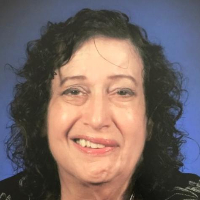
Florida · 30 yrs exp
FL Psychologist - Anxiety and Stress
Stress, Anxiety · Grief · Anger · Depression · +15 more
Read profile
Wisconsin · 11 yrs exp
LPC in Wisconsin - anxiety and relationship concerns
Stress, Anxiety · Family · Trauma and abuse · Depression · +12 more
Read profile
Pennsylvania · 6 yrs exp
Licensed Professional Counselor - Anxiety and Relationships
Stress, Anxiety · LGBT · Relationship · Self esteem · +15 more
Read profile
Arizona · 22 yrs exp
Licensed Professional Counselor - Anxiety and Relationship support
Stress, Anxiety · Relationship · Family · Grief · +16 more
Read profile
Tennessee · 35 yrs exp
Licensed Clinical Social Worker - Anxiety and Life Changes
Stress, Anxiety · Grief · Self esteem · Depression · +8 more
Read profile
Virginia · 14 yrs exp
LPC - Trauma and anxiety focused
Trauma and abuse · Grief · Coping with life changes · Compassion fatigue · +12 more
Read profile
Georgia · 25 yrs exp
LISW social worker - anxiety and relationships
Stress, Anxiety · Parenting · Anger · Self esteem · +15 more
Read profile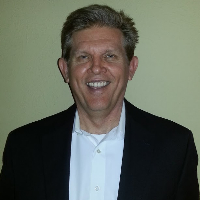
Texas · 18 yrs exp
LPC in Texas - Anxiety and Relationships
Stress, Anxiety · Relationship · Family · Parenting · +9 more
Read profile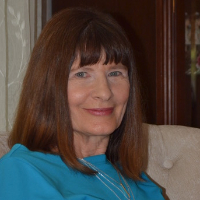
Florida · 20 yrs exp
LMHC in Florida - Anxiety and life changes
Stress, Anxiety · Grief · Self esteem · Depression · +9 more
Read profile
South Carolina · 20 yrs exp
Licensed clinical social worker - anxiety and eating concerns
Stress, Anxiety · Relationship · Eating · Self esteem · +10 more
Read profile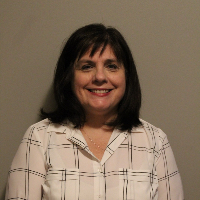
New York · 36 yrs exp
Licensed Mental Health Counselor - Anxiety and Family
Stress, Anxiety · Family · Parenting · Self esteem · +7 more
Read profile
Colorado · 9 yrs exp
Licensed Clinical Social Worker - Anxiety and relationships
Stress, Anxiety · Relationship · Grief · Depression · +11 more
Read profile
Florida · 13 yrs exp
Florida LMHC - Anxiety and Relationships
Stress, Anxiety · Relationship · Intimacy-related issues · Depression · +15 more
Read profile
Louisiana · 10 yrs exp
Licensed Professional Counselor - Anxiety and Relationships
Stress, Anxiety · Trauma and abuse · Anger · Self esteem · +12 more
Read profile
Michigan · 16 yrs exp
Licensed Professional Counselor - Anxiety and Addiction
Stress, Anxiety · Addictions · Relationship · Parenting · +8 more
Read profile
Ohio · 17 yrs exp
LISW - Anxiety and Relationship Concerns
Stress, Anxiety · Family · Parenting · Depression · +12 more
Read profile
Arkansas · 44 yrs exp
Licensed Certified Social Worker - Anxiety and Stress
Stress, Anxiety · Trauma and abuse · Grief · Self esteem · +16 more
Read profile
Oklahoma · 33 yrs exp
LPC counselor - Anxiety and depression
Stress, Anxiety · Depression · Coping with life changes · Relationship · +4 more
Read profile
Georgia · 7 yrs exp
LMFT - Anxiety and Relationships
Stress, Anxiety · Relationship · Intimacy-related issues · Anger · +11 more
Read profile
Oregon · 17 yrs exp
Licensed MFT - Anxiety and Trauma
Stress, Anxiety · Trauma and abuse · Grief · Intimacy-related issues · +1 more
Read profile
Tennessee · 35 yrs exp
LMFT - Relationships and Addictions
Addictions · Relationship · Family · Trauma and abuse · +1 more
Read profile
New York · 25 yrs exp
Licensed Clinical Social Worker - Anxiety and Stress
Stress, Anxiety · Grief · Anger · Self esteem · +6 more
Read profile
Connecticut · 24 yrs exp
LCSW - Anxiety and life transitions
Stress, Anxiety · Relationship · Grief · Self esteem · +11 more
Read profile
California · 40 yrs exp
LMFT focusing on anxiety and relationships
Stress, Anxiety · Relationship · Family · Trauma and abuse · +7 more
Read profile
Colorado · 13 yrs exp
Licensed Marriage and Family Therapist - Anxiety and Relationships
Stress, Anxiety · LGBT · Relationship · Trauma and abuse · +10 more
Read profile
Minnesota · 7 yrs exp
Licensed Professional Clinical Counselor - Anxiety and Trauma
Stress, Anxiety · LGBT · Trauma and abuse · Self esteem · +9 more
Read profile
Texas · 18 yrs exp
LPC counselor - anxiety and addictions
Stress, Anxiety · Addictions · LGBT · Relationship · +14 more
Read profile
South Carolina · 20 yrs exp
Licensed Professional Counselor - Anxiety and Relationships
Stress, Anxiety · Relationship · Trauma and abuse · Anger · +11 more
Read profile
Texas · 19 yrs exp
Licensed Professional Counselor - Anxiety and Relationships
Stress, Anxiety · Relationship · Family · Trauma and abuse · +12 more
Read profile
Ohio · 18 yrs exp
LISW - Anxiety and relationship concerns
Stress, Anxiety · Relationship · Grief · Self esteem · +10 more
Read profile
Virginia · 20 yrs exp
VA Psychologist - Trauma and Stress
Read profile
Texas · 8 yrs exp
LPC in Texas - anxiety and trauma focused
Stress, Anxiety · Addictions · Trauma and abuse · Self esteem · +11 more
Read profile
Kansas · 14 yrs exp
LSCSW - Anxiety and Trauma support
Stress, Anxiety · LGBT · Trauma and abuse · Eating · +1 more
Read profile
Texas · 15 yrs exp
Licensed Professional Counselor - anxiety and life changes
Stress, Anxiety · Grief · Self esteem · Depression · +13 more
Read profile
Alabama · 14 yrs exp
Licensed Professional Counselor - Anxiety and Relationships
Relationship · Trauma and abuse · Coping with life changes · Coaching · +12 more
Read profile
Kentucky · 15 yrs exp
Licensed Clinical Social Worker - Anxiety and Relationships
Stress, Anxiety · Relationship · Parenting · Anger · +13 more
Read profile
Oklahoma · 9 yrs exp
LPC therapist - anxiety and life changes
Stress, Anxiety · Anger · Self esteem · Coping with life changes · +16 more
Read profile
Mississippi · 15 yrs exp
Licensed Professional Counselor - anxiety and relationships
Stress, Anxiety · Addictions · Relationship · Family · +5 more
Read profile
Utah · 30 yrs exp
Licensed social worker - Anxiety and trauma
Stress, Anxiety · Trauma and abuse · Grief · Anger · +1 more
Read profileCommitment issues can show up in many parts of your life - romantic relationships, friendships, work decisions, or long-term planning. For some people the pattern is a repeated difficulty in sustaining close relationships. For others it appears as indecision about major life steps such as moving in together, marriage, or long-term career paths. You might notice a mix of fear and avoidance, or a tendency to pull away when situations become emotionally intense. Those patterns can feel confusing and isolating, and they often have complex roots in past experiences, attachment history, and current stressors.
When you experience commitment-related hesitation it is rarely a single cause. Family messages about independence, experiences of loss or betrayal, early attachment dynamics, and temperament can all contribute. You may have developed coping strategies that protected you in earlier stages of life but now limit your ability to form the partnerships or plans you want. Recognizing that these patterns are influenced by history and context is an important step toward changing them. Therapy offers a space to explore those influences and to experiment with different ways of relating that align with your values.
If you find yourself repeatedly avoiding proposals for greater commitment, or feeling intense anxiety at the thought of making long-term decisions, those are clear signals you may benefit from focused support. You might notice a pattern of idealizing partners early and then withdrawing as closeness grows, or you may frequently end relationships before they reach deeper stages. In some cases people report a chronic sense of ambivalence - being simultaneously drawn to and fearful of closeness - that makes choices feel paralyzing. Work or life plans can also become stalled because committing to one option feels like giving up others.
Other signs include relationship conflicts that center on fears of being trapped, frequent breakups that follow the same cycle, a habit of maintaining emotional distance, or persistent second-guessing after a decision is made. You may also experience physical symptoms like sleep disruption or heightened tension when a relationship becomes more serious. If these patterns create distress or limit the life you want, therapy can help you identify the underlying dynamics and develop new patterns for making decisions that feel authentic.
Therapy for commitment issues usually begins with conversations that map out your history, relationship patterns, and current goals. Your therapist will ask about past relationships and family dynamics, as well as the situations that trigger your hesitation now. Early sessions often focus on building a working relationship with the therapist so you feel comfortable exploring sensitive material. Over time you and your therapist will test hypotheses about why certain patterns persist and try out new ways of responding in relationships.
Therapeutic work often includes exploring emotions beneath avoidance - such as fear of loss, shame, or doubts about self-worth - and learning practical skills for communicating needs and setting boundaries. You may practice tolerating uncertainty and making values-based decisions rather than acting out of fear. Sessions can include role-plays, communication exercises, and reflective exploration of past experiences. Progress is typically gradual and may involve setbacks as you try new behaviors. A therapist's role is to support that effort, help you make sense of what happens, and guide you in applying new insights to real-life relationships.
How quickly you notice change depends on your history and how consistently you apply what you learn outside sessions. Small shifts in how you approach conversations and commitments often come before larger life changes. You can expect to work at a pace that balances challenge with support, so you can experiment with new choices without feeling overwhelmed.
Therapists describe their work using a range of approaches because commitment issues can have emotional, behavioral, relational, and cognitive components. You will find therapists who list cognitive behavioral approaches among their practices, which focus on identifying thoughts and behaviors that maintain avoidance and on testing new behavioral experiments. Others describe psychodynamic or attachment-informed approaches that emphasize patterns formed in early relationships and how those patterns influence present choices. There are also therapists who list emotion-focused or experiential approaches that help you access and process the feelings that underlie avoidance.
Couples and relationship-focused therapists often work directly with partners to improve communication around commitment and to create shared decision-making patterns. Some clinicians list mindfulness-based strategies or acceptance and commitment approaches that teach skills for tolerating uncertainty and clarifying values. You may also encounter therapists who list EMDR among their approaches or those who list internal family systems among their approaches; in those cases the therapist is indicating an approach they use, not a certification claim. Each approach offers different tools for understanding why commitment feels difficult and for practicing alternative responses in real-life situations.
Online therapy can be an accessible way to work on commitment issues because it allows you to meet with clinicians whose language, cultural background, or therapeutic focus aligns with your needs, even if they are not local. Sessions typically occur via video or audio calls and follow many of the same processes as in-person work - assessment, goal-setting, skill-building, and reflective exploration. You should expect a similar emphasis on forming a trusting relationship, practicing new ways of communicating, and gradually confronting the situations that trigger avoidance, all adapted to the online format.
When choosing a therapist, pay attention to their stated focus areas, how they describe their approach to relationship work, and the populations they mention. Look for clinicians who discuss commitment, relationship patterns, attachment, or decision-making in ways that resonate with you. Consider language needs and cultural competence if those factors matter in how you want to be understood. Read profiles to see whether a therapist notes experience with couples work, individual relationship anxiety, or life-stage transitions like cohabitation and marriage. Keep in mind that therapists list approaches differently - some may note cognitive behavioral work, others attachment-informed or emotionally focused work, and others will say they integrate several methods. That variety means you can find someone whose description fits your preferences.
Think about the kind of style that helps you change - do you prefer a collaborative, skills-based approach or a deeper exploration of early patterns and feelings? Consider whether you want to include a partner in some sessions or work one-on-one. Language and cultural understanding can matter a great deal when you are discussing intimate history. Finally, read several profiles to compare how therapists describe their approach, experience, and the types of relationships they commonly support. Browsing profiles will help you narrow options and find a clinician whose description aligns with your goals.
Working on commitment issues often involves both insight and practice. With time and consistent effort you can build new ways of relating and making decisions that reflect your priorities. Use the listings below to explore therapists who describe work in this area and to find someone whose approach and background feel like a fit for what you want to accomplish.
Alabama
99 therapists
Alaska
8 therapists
Arizona
102 therapists
Arkansas
58 therapists
Australia
252 therapists
California
680 therapists
Colorado
159 therapists
Connecticut
70 therapists
Delaware
19 therapists
District of Columbia
19 therapists
Florida
718 therapists
Georgia
169 therapists
Hawaii
29 therapists
Idaho
49 therapists
Illinois
265 therapists
Indiana
124 therapists
Iowa
35 therapists
Kansas
45 therapists
Kentucky
115 therapists
Louisiana
142 therapists
Maine
23 therapists
Maryland
122 therapists
Massachusetts
119 therapists
Michigan
256 therapists
Minnesota
99 therapists
Mississippi
67 therapists
Missouri
174 therapists
Montana
43 therapists
Nebraska
44 therapists
Nevada
49 therapists
New Hampshire
19 therapists
New Jersey
171 therapists
New Mexico
31 therapists
New York
457 therapists
North Carolina
274 therapists
North Dakota
7 therapists
Ohio
200 therapists
Oklahoma
137 therapists
Oregon
41 therapists
Pennsylvania
259 therapists
Rhode Island
14 therapists
South Carolina
133 therapists
South Dakota
21 therapists
Tennessee
107 therapists
Texas
763 therapists
United Kingdom
1668 therapists
Utah
66 therapists
Vermont
19 therapists
Virginia
116 therapists
Washington
94 therapists
West Virginia
28 therapists
Wisconsin
116 therapists
Wyoming
19 therapists