
Kelley Sullivan
LCSWColorado · 19 yrs exp
LCSW - Anxiety and relationship concerns
Stress, Anxiety · Relationship · Trauma and abuse · Grief · +12 more
Read profileTherapist listings are provided by BetterHelp. We will earn a commission at no additional cost to you if you use our links to purchase.
This page lists therapists who work with sleeping disorders and related concerns. You can explore clinician profiles by approach, credentials, languages, and areas of focus using the tools below.
Browse the listings to learn more about different approaches and how individual clinicians describe their work with sleep-related issues.
Colorado · 19 yrs exp
LCSW - Anxiety and relationship concerns
Stress, Anxiety · Relationship · Trauma and abuse · Grief · +12 more
Read profile
Alabama · 22 yrs exp
Licensed Professional Counselor - Anxiety and Stress
Stress, Anxiety · Trauma and abuse · Anger · Self esteem · +16 more
Read profile
Texas · 13 yrs exp
LCSW - Anxiety and relationship concerns
Stress, Anxiety · Relationship · Trauma and abuse · Anger · +11 more
Read profile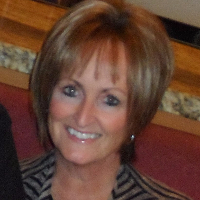
Nevada · 30 yrs exp
LCPC and LMHC - Anxiety and Grief focus
Stress, Anxiety · Grief · Self esteem · Coping with life changes · +14 more
Read profile
Louisiana · 7 yrs exp
Licensed professional counselor - anxiety and trauma
Stress, Anxiety · Family · Trauma and abuse · Parenting · +15 more
Read profile
Florida · 25 yrs exp
Licensed Mental Health Counselor - Relationships and Trauma
Relationship · Trauma and abuse · Grief · Anger · +12 more
Read profile
Texas · 15 yrs exp
Licensed Professional Counselor - Anxiety and Trauma
Addictions · Relationship · Trauma and abuse · Grief · +13 more
Read profile
Florida · 7 yrs exp
Licensed counselor - Addiction and trauma focus
Addictions · Relationship · Family · Trauma and abuse · +13 more
Read profile
Missouri · 36 yrs exp
LCSW in Missouri - Anxiety and relationship concerns
Stress, Anxiety · Relationship · Trauma and abuse · Intimacy-related issues · +15 more
Read profile
Rhode Island · 18 yrs exp
LMHC - Anxiety and Relationship concerns
Stress, Anxiety · Relationship · Trauma and abuse · Grief · +12 more
Read profile
North Carolina · 13 yrs exp
LCSW - Anxiety and relationship concerns
Stress, Anxiety · Relationship · Family · Self esteem · +13 more
Read profile
Washington · 12 yrs exp
Washington LMHC - Anxiety and Relationships
Stress, Anxiety · Relationship · Family · Self esteem · +15 more
Read profile
Colorado · 11 yrs exp
LPC counselor - anxiety and life transitions
Stress, Anxiety · LGBT · Trauma and abuse · Anger · +15 more
Read profile
Texas · 21 yrs exp
LCSW - Anxiety and Relationship Concerns
Stress, Anxiety · Relationship · Trauma and abuse · Intimacy-related issues · +15 more
Read profile
Texas · 8 yrs exp
Licensed Professional Counselor - Anxiety and Life Changes
Stress, Anxiety · Grief · Self esteem · Career · +11 more
Read profile
Texas · 22 yrs exp
Dr. Ngozi Okose - LPC, anxiety and relationship concerns
Stress, Anxiety · Relationship · Trauma and abuse · Depression · +16 more
Read profile
Illinois · 25 yrs exp
Licensed Clinical Social Worker - Anxiety and Life Changes
Stress, Anxiety · Self esteem · Career · Coping with life changes · +10 more
Read profile
Louisiana · 20 yrs exp
LMFT and LPC - Anxiety and Relationship concerns
Stress, Anxiety · Addictions · Eating · Depression · +14 more
Read profile
Florida · 30 yrs exp
FL Psychologist - Anxiety and Stress
Stress, Anxiety · Grief · Anger · Depression · +15 more
Read profile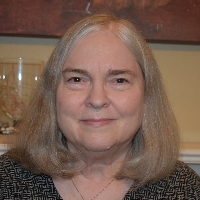
Texas · 20 yrs exp
Licensed Professional Counselor - Anxiety and life changes
Stress, Anxiety · Trauma and abuse · Self esteem · Depression · +12 more
Read profile
Pennsylvania · 6 yrs exp
Licensed Professional Counselor - Anxiety and Relationships
Stress, Anxiety · LGBT · Relationship · Self esteem · +15 more
Read profile
Arizona · 22 yrs exp
Licensed Professional Counselor - Anxiety and Relationship support
Stress, Anxiety · Relationship · Family · Grief · +16 more
Read profile
Virginia · 14 yrs exp
LPC - Trauma and anxiety focused
Trauma and abuse · Grief · Coping with life changes · Compassion fatigue · +12 more
Read profile
Georgia · 20 yrs exp
Licensed Professional Counselor - Anxiety and Addictions
Stress, Anxiety · Addictions · Anger · Bipolar · +10 more
Read profile
Georgia · 25 yrs exp
LISW social worker - anxiety and relationships
Stress, Anxiety · Parenting · Anger · Self esteem · +15 more
Read profile
Nebraska · 25 yrs exp
LMHP - Stress and anxiety support
Stress, Anxiety · Family · Trauma and abuse · Parenting · +12 more
Read profile
Colorado · 9 yrs exp
Licensed Clinical Social Worker - Anxiety and relationships
Stress, Anxiety · Relationship · Grief · Depression · +11 more
Read profile
Florida · 13 yrs exp
Florida LMHC - Anxiety and Relationships
Stress, Anxiety · Relationship · Intimacy-related issues · Depression · +15 more
Read profile
Arkansas · 44 yrs exp
Licensed Certified Social Worker - Anxiety and Stress
Stress, Anxiety · Trauma and abuse · Grief · Self esteem · +16 more
Read profile
Michigan · 31 yrs exp
LMSW - Anxiety and relationship support
Stress, Anxiety · Family · Trauma and abuse · Self esteem · +16 more
Read profile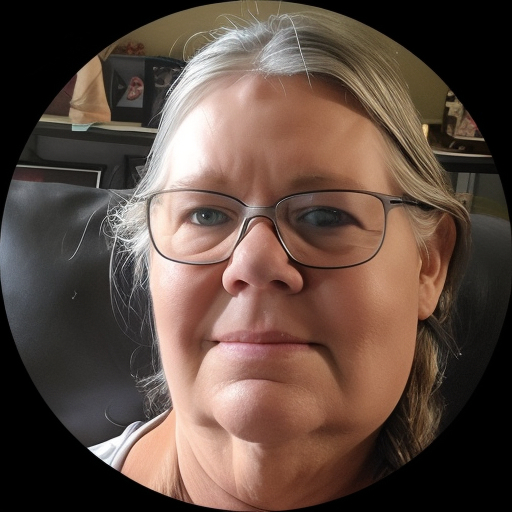
North Carolina · 16 yrs exp
Licensed Clinical Social Worker - Anxiety and Addiction
Stress, Anxiety · Addictions · Trauma and abuse · Anger · +13 more
Read profile
Colorado · 15 yrs exp
LCSW - Anxiety and life transitions
Stress, Anxiety · Grief · Depression · Coping with life changes · +10 more
Read profile
New York · 25 yrs exp
Licensed Clinical Social Worker - Anxiety and Stress
Stress, Anxiety · Grief · Anger · Self esteem · +6 more
Read profile
Connecticut · 24 yrs exp
LCSW - Anxiety and life transitions
Stress, Anxiety · Relationship · Grief · Self esteem · +11 more
Read profile
Texas · 26 yrs exp
Licensed Professional Counselor - Anxiety and Relationships
Stress, Anxiety · Relationship · Trauma and abuse · Grief · +11 more
Read profile
California · 40 yrs exp
LMFT focusing on anxiety and relationships
Stress, Anxiety · Relationship · Family · Trauma and abuse · +7 more
Read profile
Texas · 16 yrs exp
LPC in Texas - anxiety and addiction focus
Stress, Anxiety · Addictions · Self esteem · Depression · +9 more
Read profile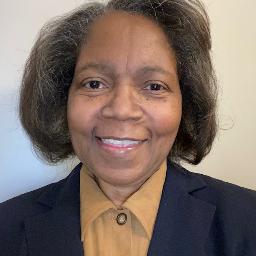
Michigan · 10 yrs exp
LMSW - Anxiety and depression focus
Stress, Anxiety · Addictions · Relationship · Family · +12 more
Read profile
Montana · 23 yrs exp
Licensed Clinical Professional Counselor - Anxiety, Family
Stress, Anxiety · Family · Trauma and abuse · Parenting · +12 more
Read profile
Connecticut · 24 yrs exp
LCSW - Anxiety and mood concerns
Stress, Anxiety · Addictions · Family · Bipolar · +10 more
Read profile
South Carolina · 21 yrs exp
LPC and LMHC - anxiety and trauma
Stress, Anxiety · Trauma and abuse · Self esteem · Depression · +16 more
Read profile
Illinois · 34 yrs exp
LCPC - Anxiety and Relationship concerns
Stress, Anxiety · Relationship · Grief · Self esteem · +11 more
Read profile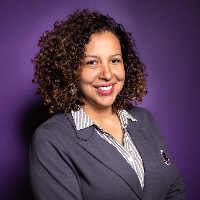
Texas · 15 yrs exp
Licensed Professional Counselor - anxiety and life changes
Stress, Anxiety · Grief · Self esteem · Depression · +13 more
Read profile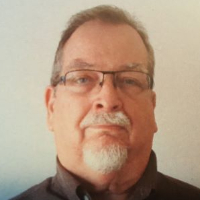
Florida · 20 yrs exp
Licensed Clinical Social Worker - Anxiety and Trauma
Stress, Anxiety · Trauma and abuse · Grief · Career · +15 more
Read profile
Kentucky · 15 yrs exp
Licensed Clinical Social Worker - Anxiety and Relationships
Stress, Anxiety · Relationship · Parenting · Anger · +13 more
Read profile
Oklahoma · 9 yrs exp
LPC therapist - anxiety and life changes
Stress, Anxiety · Anger · Self esteem · Coping with life changes · +16 more
Read profile
Mississippi · 15 yrs exp
Licensed Professional Counselor - anxiety and relationships
Stress, Anxiety · Addictions · Relationship · Family · +5 more
Read profile
Washington · 13 yrs exp
LICSW in Washington - Anxiety and trauma care
Stress, Anxiety · LGBT · Self esteem · Depression · +16 more
Read profile
Nebraska · 34 yrs exp
LMHP counselor - anxiety and life changes
Stress, Anxiety · Addictions · Relationship · Family · +12 more
Read profile
Illinois · 12 yrs exp
LCSW - Anxiety and Stress clinician
Stress, Anxiety · Trauma and abuse · Bipolar · Depression · +12 more
Read profile
Mississippi · 20 yrs exp
Licensed Professional Counselor - Anxiety and Relationships
Stress, Anxiety · Addictions · Trauma and abuse · Anger · +14 more
Read profile
North Carolina · 5 yrs exp
Licensed counselor - Anxiety and family concerns
Stress, Anxiety · Family · Trauma and abuse · Depression · +15 more
Read profile
Pennsylvania · 32 yrs exp
Licensed Professional Counselor - Anxiety and relationships
Stress, Anxiety · Addictions · Relationship · Grief · +13 more
Read profile
New Jersey · 25 yrs exp
LCSW - Anxiety and relationship concerns
Stress, Anxiety · Addictions · Relationship · Family · +14 more
Read profile
Florida · 10 yrs exp
LMHC - Anxiety and Relationship Concerns
Stress, Anxiety · Addictions · Relationship · Anger · +7 more
Read profile
Washington · 50 yrs exp
LMHC - Anxiety and trauma focus
Stress, Anxiety · Trauma and abuse · Intimacy-related issues · Self esteem · +15 more
Read profile
North Carolina · 24 yrs exp
LCSW - Anxiety and Trauma focus
Stress, Anxiety · Relationship · Family · Trauma and abuse · +14 more
Read profile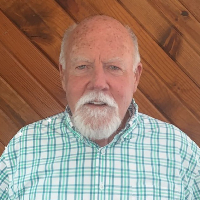
Missouri · 45 yrs exp
Dr. Michael Cundiff LPC - Anxiety and Relationships
Stress, Anxiety · Relationship · Family · Parenting · +15 more
Read profile
Vermont · 22 yrs exp
LPC, LCMHC - Anxiety and Addictions
Stress, Anxiety · Addictions · Relationship · Family · +12 more
Read profile
Massachusetts · 27 yrs exp
LMHC - Anxiety and Relationship concerns
Stress, Anxiety · Relationship · Trauma and abuse · Grief · +12 more
Read profileSleeping disorders include a range of difficulties that interfere with falling asleep, staying asleep, or feeling rested after sleep. Insomnia is one of the most commonly discussed problems, but the category also covers issues such as circadian rhythm disruptions, restless sleep, frequent nighttime awakenings, and nightmares. These difficulties can occur on their own or alongside mood, anxiety, pain, or medical conditions. Because sleep is woven into your daily functioning, disruptions often ripple into concentration, mood, energy, relationships, and work or study performance.
When you struggle with sleep, you may notice daytime tiredness, trouble focusing, irritability, or a tendency to rely on naps or stimulants to get through the day. Sleep problems can make it harder to regulate emotions or cope with stressors that used to feel manageable. Over time, you may also develop worry about sleep itself - anxiety about not being able to rest that paradoxically keeps you awake. Understanding how sleep difficulties affect your everyday life is a first step in identifying whether targeted therapeutic support could be useful.
You might consider therapy if sleep problems are frequent, persistent, or worsening despite self-help efforts. If difficulties fall into a pattern - such as consistently taking long to fall asleep, waking repeatedly, or experiencing distressing dreams - therapy can offer structured strategies and a space to explore contributing factors. When sleep troubles are affecting your mood, relationships, work, or ability to carry out routine tasks, that impact often signals a need for focused attention.
Therapy can be particularly useful when sleep problems are intertwined with anxiety, depression, trauma, chronic pain, or substance use. In these situations, you and a therapist can look at how these issues interact - for example, how anxiety keeps you alert at night, or how poor sleep amplifies low mood. Therapy does not provide medical treatment for sleep disorders of medical origin, but it can help you develop coping strategies and behavioral changes that support better sleep and overall wellbeing.
Early sessions typically involve a careful review of your sleep history, daytime functioning, routines, and any factors that influence sleep such as medications, caffeine, shift work, or stress. You and the therapist will discuss what you hope to change and set practical goals. The therapist may ask you to track your sleep patterns for a period to create a clearer picture of timing, duration, and regularity, and to identify habits that help or hinder rest.
Sessions often blend education with skill-building. You can expect conversations about sleep habits, environmental factors, and thoughts or behaviors that maintain the problem. Therapists commonly introduce techniques for relaxation, scheduling, and adjusting daily routines, and they work with you to apply these strategies between sessions. Progress is usually measured in behavior and experience rather than overnight fixes; therapists and you will adapt the plan as patterns shift and new obstacles arise.
Cognitive behavioral therapy for insomnia, often abbreviated as CBT-I, is a widely recognized approach that addresses the thoughts and habits that keep sleep problems in place. You may hear about stimulus control, sleep restriction, and cognitive restructuring as components that help reset sleep timing and reduce sleep-related worry. Therapists who list CBT-I among their approaches typically guide you through structured steps to change behaviors and rethink unhelpful beliefs about sleep.
Many therapists draw on additional methods to address emotional or physiological factors linked to sleep. Some describe using relaxation training, mindfulness-based strategies to calm the mind, and acceptance-based approaches to reduce the struggle with sleep. When trauma or recurrent nightmares are present, therapists who list trauma-focused approaches among their methods may work to reduce nightmare frequency and emotional reactivity. It is common for therapists to combine behavioral, cognitive, and emotional work to fit your particular needs.
Online therapy for sleep-related concerns can include video sessions, phone calls, or messaging-based support depending on the clinician. Sessions generally follow a similar structure to in-person care - assessment, skill teaching, and progress review - but delivered through digital communication. Online formats can make it easier to connect with clinicians who list specialized approaches, to maintain regular contact without travel, and to apply strategies in your home environment where sleep routines are enacted.
To get the most from online work, set up a comfortable, low-distraction spot for sessions and have any sleep logs or notes ready to discuss. You can also use the virtual setting to run through environmental adjustments together - for example, trying relaxation techniques in your bedroom while the therapist observes how you respond. Online therapy may require attention to privacy and distraction management in your surroundings, and you can talk with a clinician about what arrangements will help you focus during sessions.
When selecting a therapist, look for clinicians who describe experience with sleep-related issues or who list approaches that align with your goals. If you prefer structured, skills-based work, seek therapists who mention CBT-I or behavioral methods among their approaches. If your sleep problems are closely tied to trauma, depression, or anxiety, consider clinicians who list trauma-informed or integrative approaches that address those underlying factors. Pay attention to how clinicians describe their work with sleep so you can find an approach that feels like a good fit.
Consider language, credentials, and the therapist's description of the populations they work with when narrowing options. You may want to ask how they typically structure sleep-focused work, what kinds of homework or tracking they recommend, and how they measure progress. It can help to think about communication style and whether you prefer a directive, skills-teaching clinician or someone who emphasizes exploration and emotional processing. Clear descriptions in profiles will help you assess whether a therapist's approach matches your preferences.
Dealing with sleep difficulties can feel overwhelming, but many people find improvement through targeted behavioral and cognitive approaches combined with attention to lifestyle and emotional factors. Therapy offers structured support to understand patterns, learn tools, and experiment with practical changes in a collaborative space. Use the listings below to explore clinicians who list sleeping disorders as a focus and read their descriptions to determine which approaches and styles may suit your needs.
Alabama
99 therapists
Alaska
8 therapists
Arizona
102 therapists
Arkansas
58 therapists
Australia
252 therapists
California
680 therapists
Colorado
159 therapists
Connecticut
70 therapists
Delaware
19 therapists
District of Columbia
19 therapists
Florida
718 therapists
Georgia
169 therapists
Hawaii
29 therapists
Idaho
49 therapists
Illinois
265 therapists
Indiana
124 therapists
Iowa
35 therapists
Kansas
45 therapists
Kentucky
115 therapists
Louisiana
142 therapists
Maine
23 therapists
Maryland
122 therapists
Massachusetts
119 therapists
Michigan
256 therapists
Minnesota
99 therapists
Mississippi
67 therapists
Missouri
174 therapists
Montana
43 therapists
Nebraska
44 therapists
Nevada
49 therapists
New Hampshire
19 therapists
New Jersey
171 therapists
New Mexico
31 therapists
New York
457 therapists
North Carolina
274 therapists
North Dakota
7 therapists
Ohio
200 therapists
Oklahoma
137 therapists
Oregon
41 therapists
Pennsylvania
259 therapists
Rhode Island
14 therapists
South Carolina
133 therapists
South Dakota
21 therapists
Tennessee
107 therapists
Texas
763 therapists
United Kingdom
1668 therapists
Utah
66 therapists
Vermont
19 therapists
Virginia
116 therapists
Washington
94 therapists
West Virginia
28 therapists
Wisconsin
116 therapists
Wyoming
19 therapists