
Kelley Sullivan
LCSWColorado · 19 yrs exp
LCSW - Anxiety and relationship concerns
Stress, Anxiety · Relationship · Trauma and abuse · Grief · +12 more
Read profileTherapist listings are provided by BetterHelp. We will earn a commission at no additional cost to you if you use our links to purchase.
This page lists clinicians who identify OCD as a specialty and summarizes common approaches, languages, credentials and focus areas. Browse the listings below to compare profiles and read on for practical guidance about OCD and treatment options.
Colorado · 19 yrs exp
LCSW - Anxiety and relationship concerns
Stress, Anxiety · Relationship · Trauma and abuse · Grief · +12 more
Read profile
Alabama · 22 yrs exp
Licensed Professional Counselor - Anxiety and Stress
Stress, Anxiety · Trauma and abuse · Anger · Self esteem · +16 more
Read profile
Texas · 13 yrs exp
LCSW - Anxiety and relationship concerns
Stress, Anxiety · Relationship · Trauma and abuse · Anger · +11 more
Read profile
Florida · 7 yrs exp
Licensed counselor - Addiction and trauma focus
Addictions · Relationship · Family · Trauma and abuse · +13 more
Read profile
Texas · 12 yrs exp
LMFT focusing on anxiety and relationships
Stress, Anxiety · Addictions · Relationship · Grief · +11 more
Read profile
Rhode Island · 18 yrs exp
LMHC - Anxiety and Relationship concerns
Stress, Anxiety · Relationship · Trauma and abuse · Grief · +12 more
Read profile
Florida · 12 yrs exp
Florida LMHC - Anxiety and Relationships
Stress, Anxiety · Relationship · Intimacy-related issues · Depression · +8 more
Read profile
Louisiana · 10 yrs exp
LPC counselor - Anxiety and relationships
Stress, Anxiety · Relationship · Family · Depression · +12 more
Read profile
Illinois · 10 yrs exp
Illinois LCPC - Anxiety and Relationships
Stress, Anxiety · LGBT · Relationship · Trauma and abuse · +10 more
Read profile
North Carolina · 13 yrs exp
LCSW - Anxiety and relationship concerns
Stress, Anxiety · Relationship · Family · Self esteem · +13 more
Read profile
New York · 25 yrs exp
LCSW - Anxiety and relationship concerns
Stress, Anxiety · Trauma and abuse · Self esteem · Depression · +7 more
Read profile
Colorado · 11 yrs exp
LPC counselor - anxiety and life transitions
Stress, Anxiety · LGBT · Trauma and abuse · Anger · +15 more
Read profile
Texas · 22 yrs exp
Dr. Ngozi Okose - LPC, anxiety and relationship concerns
Stress, Anxiety · Relationship · Trauma and abuse · Depression · +16 more
Read profile
Tennessee · 28 yrs exp
Tennessee psychologist - anxiety and relationships
Stress, Anxiety · Relationship · Grief · Depression · +10 more
Read profile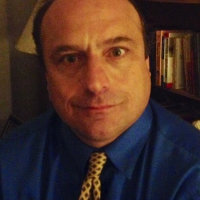
Louisiana · 20 yrs exp
LMFT and LPC - Anxiety and Relationship concerns
Stress, Anxiety · Addictions · Eating · Depression · +14 more
Read profile
Wisconsin · 11 yrs exp
LPC in Wisconsin - anxiety and relationship concerns
Stress, Anxiety · Family · Trauma and abuse · Depression · +12 more
Read profile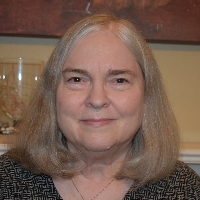
Texas · 20 yrs exp
Licensed Professional Counselor - Anxiety and life changes
Stress, Anxiety · Trauma and abuse · Self esteem · Depression · +12 more
Read profile
Mississippi · 12 yrs exp
Licensed Clinical Social Worker - Anxiety and Addictions
Stress, Anxiety · Addictions · Anger · Self esteem · +12 more
Read profile
Arizona · 22 yrs exp
Licensed Professional Counselor - Anxiety and Relationship support
Stress, Anxiety · Relationship · Family · Grief · +16 more
Read profile
Tennessee · 35 yrs exp
Licensed Clinical Social Worker - Anxiety and Life Changes
Stress, Anxiety · Grief · Self esteem · Depression · +8 more
Read profile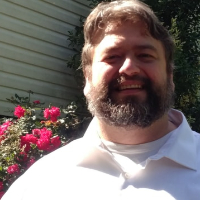
Georgia · 20 yrs exp
Licensed Professional Counselor - Anxiety and Addictions
Stress, Anxiety · Addictions · Anger · Bipolar · +10 more
Read profile
Georgia · 25 yrs exp
LISW social worker - anxiety and relationships
Stress, Anxiety · Parenting · Anger · Self esteem · +15 more
Read profile
Texas · 18 yrs exp
LPC in Texas - Anxiety and Relationships
Stress, Anxiety · Relationship · Family · Parenting · +9 more
Read profile
Colorado · 9 yrs exp
Licensed Clinical Social Worker - Anxiety and relationships
Stress, Anxiety · Relationship · Grief · Depression · +11 more
Read profile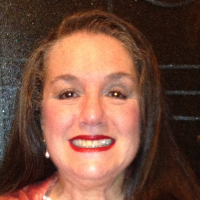
Florida · 13 yrs exp
Florida LMHC - Anxiety and Relationships
Stress, Anxiety · Relationship · Intimacy-related issues · Depression · +15 more
Read profile
Louisiana · 10 yrs exp
Licensed Professional Counselor - Anxiety and Relationships
Stress, Anxiety · Trauma and abuse · Anger · Self esteem · +12 more
Read profile
Colorado · 19 yrs exp
Licensed Professional Counselor - anxiety and life changes
Stress, Anxiety · Addictions · Self esteem · Depression · +14 more
Read profile
Ohio · 17 yrs exp
LISW - Anxiety and Relationship Concerns
Stress, Anxiety · Family · Parenting · Depression · +12 more
Read profile
Arkansas · 44 yrs exp
Licensed Certified Social Worker - Anxiety and Stress
Stress, Anxiety · Trauma and abuse · Grief · Self esteem · +16 more
Read profile
Michigan · 31 yrs exp
LMSW - Anxiety and relationship support
Stress, Anxiety · Family · Trauma and abuse · Self esteem · +16 more
Read profile
Texas · 5 yrs exp
LCSW - Anxiety and Relationship concerns
Stress, Anxiety · Relationship · Family · Trauma and abuse · +9 more
Read profile
Colorado · 15 yrs exp
LCSW - Anxiety and life transitions
Stress, Anxiety · Grief · Depression · Coping with life changes · +10 more
Read profile
Tennessee · 35 yrs exp
LMFT - Relationships and Addictions
Addictions · Relationship · Family · Trauma and abuse · +1 more
Read profile
New York · 25 yrs exp
Licensed Clinical Social Worker - Anxiety and Stress
Stress, Anxiety · Grief · Anger · Self esteem · +6 more
Read profile
Texas · 26 yrs exp
Licensed Professional Counselor - Anxiety and Relationships
Stress, Anxiety · Relationship · Trauma and abuse · Grief · +11 more
Read profile
Minnesota · 7 yrs exp
Licensed Professional Clinical Counselor - Anxiety and Trauma
Stress, Anxiety · LGBT · Trauma and abuse · Self esteem · +9 more
Read profile
Texas · 18 yrs exp
LPC counselor - anxiety and addictions
Stress, Anxiety · Addictions · LGBT · Relationship · +14 more
Read profile
Montana · 23 yrs exp
Licensed Clinical Professional Counselor - Anxiety, Family
Stress, Anxiety · Family · Trauma and abuse · Parenting · +12 more
Read profile
Texas · 19 yrs exp
Licensed Professional Counselor - Anxiety and Relationships
Stress, Anxiety · Relationship · Family · Trauma and abuse · +12 more
Read profile
Indiana · 11 yrs exp
LMHC in Indiana - anxiety and life changes
Stress, Anxiety · Addictions · Trauma and abuse · Parenting · +14 more
Read profile
South Carolina · 21 yrs exp
LPC and LMHC - anxiety and trauma
Stress, Anxiety · Trauma and abuse · Self esteem · Depression · +16 more
Read profile
Texas · 8 yrs exp
LPC in Texas - anxiety and trauma focused
Stress, Anxiety · Addictions · Trauma and abuse · Self esteem · +11 more
Read profile
Texas · 15 yrs exp
Licensed Professional Counselor - anxiety and life changes
Stress, Anxiety · Grief · Self esteem · Depression · +13 more
Read profile
Kentucky · 15 yrs exp
Licensed Clinical Social Worker - Anxiety and Relationships
Stress, Anxiety · Relationship · Parenting · Anger · +13 more
Read profile
Oklahoma · 9 yrs exp
LPC therapist - anxiety and life changes
Stress, Anxiety · Anger · Self esteem · Coping with life changes · +16 more
Read profile
Mississippi · 15 yrs exp
Licensed Professional Counselor - anxiety and relationships
Stress, Anxiety · Addictions · Relationship · Family · +5 more
Read profile
Utah · 30 yrs exp
Licensed social worker - Anxiety and trauma
Stress, Anxiety · Trauma and abuse · Grief · Anger · +1 more
Read profile
Florida · 19 yrs exp
Licensed Clinical Social Worker - Anxiety and Mood Concerns
Stress, Anxiety · Trauma and abuse · Grief · Depression · +9 more
Read profile
Indiana · 33 yrs exp
LCSW - Anxiety and life changes
Stress, Anxiety · Parenting · Anger · Depression · +13 more
Read profile
Delaware · 24 yrs exp
Licensed Marriage and Family Therapist - Relationships and Family
Relationship · Family · Trauma and abuse · Parenting · +14 more
Read profile
Washington · 13 yrs exp
LICSW in Washington - Anxiety and trauma care
Stress, Anxiety · LGBT · Self esteem · Depression · +16 more
Read profile
New Jersey · 20 yrs exp
LMFT - Anxiety and Relationship concerns
Stress, Anxiety · Relationship · Trauma and abuse · Self esteem · +14 more
Read profile
Iowa · 25 yrs exp
LISW - Anxiety and relationship concerns
Stress, Anxiety · Relationship · Trauma and abuse · Self esteem · +12 more
Read profile
Colorado · 15 yrs exp
Licensed Professional Counselor - Anxiety and Trauma
Stress, Anxiety · Addictions · Trauma and abuse · Anger · +6 more
Read profile
Illinois · 12 yrs exp
LCSW - Anxiety and Stress clinician
Stress, Anxiety · Trauma and abuse · Bipolar · Depression · +12 more
Read profile
California · 14 yrs exp
LPCC - Family and life changes
Family · Trauma and abuse · Self esteem · Coping with life changes · +1 more
Read profile
Utah · 23 yrs exp
LCSW - Stress and Anxiety care
Stress, Anxiety · Anger · Self esteem · Career · +1 more
Read profile
North Carolina · 5 yrs exp
Licensed counselor - Anxiety and family concerns
Stress, Anxiety · Family · Trauma and abuse · Depression · +15 more
Read profile
Wisconsin · 8 yrs exp
Licensed Professional Counselor - Anxiety and Relationships
Stress, Anxiety · Relationship · Self esteem · Career · +10 more
Read profile
North Carolina · 22 yrs exp
LMFT - Anxiety and Relationship concerns
Stress, Anxiety · Addictions · Relationship · Family · +2 more
Read profileObsessive-compulsive disorder, often called OCD, involves intrusive thoughts, images or impulses that feel persistent and unwanted, and repetitive behaviors or mental actions intended to reduce distress or prevent a feared outcome. These experiences can center on contamination, safety, symmetry, morality, relationships, or health, but they vary widely from person to person. Some people experience mainly mental rituals such as repeating phrases silently, while others perform visible actions like checking locks or washing hands. The intensity and time spent on these thoughts and behaviors can range from mildly disruptive to profoundly interfering with work, relationships and daily routines.
OCD is not a sign of personal weakness or poor character. It is a pattern of thinking and responding that can become self-perpetuating because rituals temporarily reduce anxiety, which reinforces their use. Over time those rituals can take up significant portions of the day and shape your choices, such as avoiding social situations or specific tasks. Understanding the mechanics of OCD - intrusive thoughts plus responses that aim to neutralize them - helps explain why targeted approaches focus on changing the relationship between the thought and the response rather than simply trying to suppress the thought.
You might consider seeking professional help when intrusive thoughts or repetitive behaviors take up a large amount of your time, cause ongoing distress, or interfere with responsibilities and relationships. If you find yourself avoiding people, places or activities to prevent triggering obsessions, or if rituals are used frequently to feel "okay," those patterns are common reasons people pursue therapy. Another signal is when you have tried managing symptoms on your own through distraction or reassurance-seeking but the relief is temporary and the behaviors persist or escalate.
Therapy is also commonly sought when obsessions lead to significant shame, guilt or impairment at work or school. Family members and partners often notice changes in routine and functioning before the person with OCD does, so feedback from loved ones can be a useful prompt to explore treatment. If you have co-occurring concerns such as anxiety, mood changes or difficulties concentrating, addressing OCD in therapy can be part of a broader plan to improve daily functioning and quality of life.
When you begin working with a therapist about OCD, sessions generally start with an assessment to understand the content of your obsessions, the rituals you use and how these patterns impact your life. The therapist will ask about the history and timing of symptoms, any strategies you have tried, and how OCD affects relationships and responsibilities. Together you and the clinician typically set collaborative goals that reflect what you want to change - for example, reducing time spent on rituals, decreasing avoidance, or managing distress more effectively.
Therapy sessions often include a mix of education about how OCD operates, skill-building, and practice both inside and outside the session. You can expect to create a gradual plan for confronting feared situations while learning to resist ritualizing - this process emphasizes repeated practice and reflection. Homework is a common component because real-world exposures and exercises help translate learning from the therapy room into daily life. Sessions also often include work on cognitive strategies to examine unhelpful interpretations of intrusive thoughts and to develop alternative ways of responding that reduce their control over your behavior.
Cognitive-behavioral approaches are commonly associated with OCD treatment, especially therapies that emphasize exposure and response prevention, sometimes abbreviated as ERP. You will often find therapists who list ERP among their approaches; this method involves gradual, planned exposures to feared thoughts or situations while deliberately refraining from ritualized responses, allowing new learning to occur. Cognitive techniques that address beliefs about responsibility, threat and certainty frequently accompany exposure work to help shift how you interpret intrusive thoughts.
Other approaches may include acceptance and commitment frameworks that focus on changing your relationship to thoughts rather than trying to control them, mindfulness-based strategies that cultivate nonreactive awareness of mental events, and group formats where people practice exposures and share the process with peers. Some clinicians mention additional modalities such as emotion-focused or family-inclusive approaches to address relational patterns that maintain rituals. When medication is part of a plan, clinicians typically collaborate with prescribing providers rather than managing medications themselves. Across approaches, you will find therapists who list a variety of methods among their approaches - reading therapist profiles can help you identify those whose described focus and language match what you are seeking.
Online therapy makes it possible to work with clinicians by video, phone or message-based formats, which can be especially useful for OCD because exposures often occur in your home or daily environments. A therapist can coach you through in-session exposures using video while you are in the situation that triggers distress, provide guidance on designing exercises, and review homework between sessions. You may be asked to set aside a private space for sessions and to plan when and where you will do practice tasks so that exposures fit into your routine.
When selecting a therapist, look closely at how they describe their approach to OCD in their profile. Pay attention to whether they mention exposure and response prevention, cognitive work on beliefs related to obsessions, acceptance-oriented methods or family involvement, and note the languages and populations they list. Consider whether you prefer a clinician who emphasizes structured behavioral practice, a therapist who frames work through acceptance and values, or someone who integrates multiple perspectives. Reading profiles for clinical interests, stated experience with obsessive-compulsive patterns, and the way a clinician explains their work can give you a sense of fit.
It can be helpful to think about logistical and relational preferences as well. Decide whether you prefer in-person or online formats, whether a particular age range or cultural background matters to you, and what style of communication feels most supportive - for example, a direct coach who sets clear tasks versus a collaborator who focuses on exploring meaning and values. Many people also look for clinicians who describe experience with family or partner involvement when rituals affect relationships. Finally, trust your judgment about the therapeutic connection; the most effective work often depends on feeling understood and challenged in ways that match your goals.
Exploring therapist profiles in the listings below is a practical next step. You can compare the approaches and language therapists use to describe their work, and then reach out to learn more about how they would structure sessions for OCD-related concerns. With consistent practice and a collaborative plan, many people find that therapy helps them shift patterns of responding to intrusive thoughts and regain flexibility in daily life.
Alabama
99 therapists
Alaska
8 therapists
Arizona
102 therapists
Arkansas
58 therapists
Australia
252 therapists
California
680 therapists
Colorado
159 therapists
Connecticut
70 therapists
Delaware
19 therapists
District of Columbia
19 therapists
Florida
718 therapists
Georgia
169 therapists
Hawaii
29 therapists
Idaho
49 therapists
Illinois
265 therapists
Indiana
124 therapists
Iowa
35 therapists
Kansas
45 therapists
Kentucky
115 therapists
Louisiana
142 therapists
Maine
23 therapists
Maryland
122 therapists
Massachusetts
119 therapists
Michigan
256 therapists
Minnesota
99 therapists
Mississippi
67 therapists
Missouri
174 therapists
Montana
43 therapists
Nebraska
44 therapists
Nevada
49 therapists
New Hampshire
19 therapists
New Jersey
171 therapists
New Mexico
31 therapists
New York
457 therapists
North Carolina
274 therapists
North Dakota
7 therapists
Ohio
200 therapists
Oklahoma
137 therapists
Oregon
41 therapists
Pennsylvania
259 therapists
Rhode Island
14 therapists
South Carolina
133 therapists
South Dakota
21 therapists
Tennessee
107 therapists
Texas
763 therapists
United Kingdom
1668 therapists
Utah
66 therapists
Vermont
19 therapists
Virginia
116 therapists
Washington
94 therapists
West Virginia
28 therapists
Wisconsin
116 therapists
Wyoming
19 therapists