
Kelley Sullivan
LCSWColorado · 19 yrs exp
LCSW - Anxiety and relationship concerns
Stress, Anxiety · Relationship · Trauma and abuse · Grief · +12 more
Read profileTherapist listings are provided by BetterHelp. We will earn a commission at no additional cost to you if you use our links to purchase.
This directory page features therapists who list multicultural concerns as a focus, covering cultural identity, acculturation, discrimination and cross-cultural family issues. Use the listings below to review profiles, languages, focus areas and therapeutic approaches to help you find a good match.
Colorado · 19 yrs exp
LCSW - Anxiety and relationship concerns
Stress, Anxiety · Relationship · Trauma and abuse · Grief · +12 more
Read profile
Alabama · 22 yrs exp
Licensed Professional Counselor - Anxiety and Stress
Stress, Anxiety · Trauma and abuse · Anger · Self esteem · +16 more
Read profile
Texas · 13 yrs exp
LCSW - Anxiety and relationship concerns
Stress, Anxiety · Relationship · Trauma and abuse · Anger · +11 more
Read profile
North Carolina · 16 yrs exp
LCMHC - Anxiety and Relationship concerns
Stress, Anxiety · Relationship · Trauma and abuse · Grief · +7 more
Read profile
Louisiana · 7 yrs exp
Licensed professional counselor - anxiety and trauma
Stress, Anxiety · Family · Trauma and abuse · Parenting · +15 more
Read profile
Florida · 25 yrs exp
Licensed Mental Health Counselor - Relationships and Trauma
Relationship · Trauma and abuse · Grief · Anger · +12 more
Read profile
Florida · 7 yrs exp
Licensed counselor - Addiction and trauma focus
Addictions · Relationship · Family · Trauma and abuse · +13 more
Read profile
Texas · 12 yrs exp
LMFT focusing on anxiety and relationships
Stress, Anxiety · Addictions · Relationship · Grief · +11 more
Read profile
New York · 5 yrs exp
Licensed Mental Health Counselor - Anxiety and Relationships
Stress, Anxiety · LGBT · Trauma and abuse · Bipolar · +12 more
Read profile
Illinois · 20 yrs exp
Licensed counselor - Anxiety and relationships
Stress, Anxiety · LGBT · Anger · Self esteem · +12 more
Read profile
New York · 11 yrs exp
New York LMHC - Anxiety and Life Transitions
Stress, Anxiety · Grief · Self esteem · Relationship · +8 more
Read profile
New York · 35 yrs exp
Dr. Colleen Downes - LCSW, Anxiety and Stress
Stress, Anxiety · Self esteem · Career · ADHD · +10 more
Read profile
Louisiana · 10 yrs exp
LPC counselor - Anxiety and relationships
Stress, Anxiety · Relationship · Family · Depression · +12 more
Read profile
Oregon · 32 yrs exp
LMFT - Anxiety and Relationship Concerns
Stress, Anxiety · Relationship · Trauma and abuse · Grief · +9 more
Read profile
Illinois · 10 yrs exp
Illinois LCPC - Anxiety and Relationships
Stress, Anxiety · LGBT · Relationship · Trauma and abuse · +10 more
Read profile
New York · 25 yrs exp
LCSW - Anxiety and relationship concerns
Stress, Anxiety · Trauma and abuse · Self esteem · Depression · +7 more
Read profile
Colorado · 11 yrs exp
LPC counselor - anxiety and life transitions
Stress, Anxiety · LGBT · Trauma and abuse · Anger · +15 more
Read profile
Texas · 21 yrs exp
LCSW - Anxiety and Relationship Concerns
Stress, Anxiety · Relationship · Trauma and abuse · Intimacy-related issues · +15 more
Read profile
Texas · 8 yrs exp
Licensed Professional Counselor - Anxiety and Life Changes
Stress, Anxiety · Grief · Self esteem · Career · +11 more
Read profile
Missouri · 14 yrs exp
Licensed Professional Counselor - Anxiety and Life Changes
Stress, Anxiety · Self esteem · Career · Depression · +13 more
Read profile
Illinois · 25 yrs exp
Licensed Clinical Social Worker - Anxiety and Life Changes
Stress, Anxiety · Self esteem · Career · Coping with life changes · +10 more
Read profile
Wisconsin · 11 yrs exp
LPC in Wisconsin - anxiety and relationship concerns
Stress, Anxiety · Family · Trauma and abuse · Depression · +12 more
Read profile
Mississippi · 12 yrs exp
Licensed Clinical Social Worker - Anxiety and Addictions
Stress, Anxiety · Addictions · Anger · Self esteem · +12 more
Read profile
Pennsylvania · 6 yrs exp
Licensed Professional Counselor - Anxiety and Relationships
Stress, Anxiety · LGBT · Relationship · Self esteem · +15 more
Read profile
Arizona · 22 yrs exp
Licensed Professional Counselor - Anxiety and Relationship support
Stress, Anxiety · Relationship · Family · Grief · +16 more
Read profile
Virginia · 14 yrs exp
LPC - Trauma and anxiety focused
Trauma and abuse · Grief · Coping with life changes · Compassion fatigue · +12 more
Read profile
Nebraska · 25 yrs exp
LMHP - Stress and anxiety support
Stress, Anxiety · Family · Trauma and abuse · Parenting · +12 more
Read profile
Florida · 20 yrs exp
LMHC in Florida - Anxiety and life changes
Stress, Anxiety · Grief · Self esteem · Depression · +9 more
Read profile
Colorado · 9 yrs exp
Licensed Clinical Social Worker - Anxiety and relationships
Stress, Anxiety · Relationship · Grief · Depression · +11 more
Read profile
Florida · 13 yrs exp
Florida LMHC - Anxiety and Relationships
Stress, Anxiety · Relationship · Intimacy-related issues · Depression · +15 more
Read profile
Michigan · 31 yrs exp
LMSW - Anxiety and relationship support
Stress, Anxiety · Family · Trauma and abuse · Self esteem · +16 more
Read profile
Missouri · 35 yrs exp
LCSW - Anxiety and relationship concerns
Stress, Anxiety · Trauma and abuse · Anger · Bipolar · +13 more
Read profile
Oregon · 17 yrs exp
Licensed MFT - Anxiety and Trauma
Stress, Anxiety · Trauma and abuse · Grief · Intimacy-related issues · +1 more
Read profile
Tennessee · 35 yrs exp
LMFT - Relationships and Addictions
Addictions · Relationship · Family · Trauma and abuse · +1 more
Read profile
New York · 25 yrs exp
Licensed Clinical Social Worker - Anxiety and Stress
Stress, Anxiety · Grief · Anger · Self esteem · +6 more
Read profile
Connecticut · 24 yrs exp
LCSW - Anxiety and life transitions
Stress, Anxiety · Relationship · Grief · Self esteem · +11 more
Read profile
California · 40 yrs exp
LMFT focusing on anxiety and relationships
Stress, Anxiety · Relationship · Family · Trauma and abuse · +7 more
Read profile
Minnesota · 7 yrs exp
Licensed Professional Clinical Counselor - Anxiety and Trauma
Stress, Anxiety · LGBT · Trauma and abuse · Self esteem · +9 more
Read profile
Oklahoma · 27 yrs exp
LPC counselor - anxiety and addiction support
Stress, Anxiety · Addictions · Parenting · Anger · +11 more
Read profile
Texas · 18 yrs exp
LPC counselor - anxiety and addictions
Stress, Anxiety · Addictions · LGBT · Relationship · +14 more
Read profile
Montana · 23 yrs exp
Licensed Clinical Professional Counselor - Anxiety, Family
Stress, Anxiety · Family · Trauma and abuse · Parenting · +12 more
Read profile
Indiana · 11 yrs exp
LMHC in Indiana - anxiety and life changes
Stress, Anxiety · Addictions · Trauma and abuse · Parenting · +14 more
Read profile
Ohio · 18 yrs exp
LISW - Anxiety and relationship concerns
Stress, Anxiety · Relationship · Grief · Self esteem · +10 more
Read profile
South Carolina · 21 yrs exp
LPC and LMHC - anxiety and trauma
Stress, Anxiety · Trauma and abuse · Self esteem · Depression · +16 more
Read profile
Texas · 15 yrs exp
Licensed Professional Counselor - anxiety and life changes
Stress, Anxiety · Grief · Self esteem · Depression · +13 more
Read profile
Oklahoma · 9 yrs exp
LPC therapist - anxiety and life changes
Stress, Anxiety · Anger · Self esteem · Coping with life changes · +16 more
Read profile
Mississippi · 15 yrs exp
Licensed Professional Counselor - anxiety and relationships
Stress, Anxiety · Addictions · Relationship · Family · +5 more
Read profile
New Jersey · 25 yrs exp
LPC in New Jersey - Anxiety and Stress
Stress, Anxiety · Family · Anger · Self esteem · +1 more
Read profile
Texas · 21 yrs exp
Licensed Marriage and Family Therapist - Anxiety and Family concerns
Trauma and abuse · Parenting · Self esteem · Depression · +8 more
Read profile
Nebraska · 34 yrs exp
LMHP counselor - anxiety and life changes
Stress, Anxiety · Addictions · Relationship · Family · +12 more
Read profile
New Jersey · 20 yrs exp
LMFT - Anxiety and Relationship concerns
Stress, Anxiety · Relationship · Trauma and abuse · Self esteem · +14 more
Read profile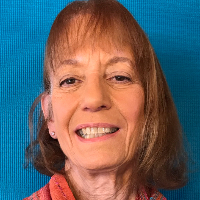
Colorado · 15 yrs exp
Licensed Professional Counselor - Anxiety and Trauma
Stress, Anxiety · Addictions · Trauma and abuse · Anger · +6 more
Read profile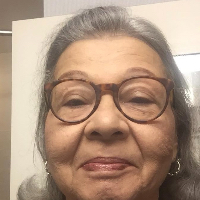
Missouri · 20 yrs exp
Licensed Professional Counselor - Anxiety and Relationships
Stress, Anxiety · Relationship · Family · Anger · +8 more
Read profile
California · 14 yrs exp
LPCC - Family and life changes
Family · Trauma and abuse · Self esteem · Coping with life changes · +1 more
Read profile
Utah · 23 yrs exp
LCSW - Stress and Anxiety care
Stress, Anxiety · Anger · Self esteem · Career · +1 more
Read profile
Mississippi · 20 yrs exp
Licensed Professional Counselor - Anxiety and Relationships
Stress, Anxiety · Addictions · Trauma and abuse · Anger · +14 more
Read profile
North Carolina · 5 yrs exp
Licensed counselor - Anxiety and family concerns
Stress, Anxiety · Family · Trauma and abuse · Depression · +15 more
Read profile
Wisconsin · 8 yrs exp
Licensed Professional Counselor - Anxiety and Relationships
Stress, Anxiety · Relationship · Self esteem · Career · +10 more
Read profile
Florida · 10 yrs exp
LMHC - Anxiety and Relationship Concerns
Stress, Anxiety · Addictions · Relationship · Anger · +7 more
Read profile
North Carolina · 7 yrs exp
Licensed Marriage and Family Therapist - Relationships and Parenting
Relationship · Family · Intimacy-related issues · Parenting · +7 more
Read profileMulticultural concerns encompass the ways that cultural background, race, ethnicity, religion, immigration history, sexual orientation, socioeconomic status and other identity factors shape your daily life and emotional well-being. These concerns can show up as stress from navigating more than one cultural world, persistent questions about identity, or ongoing strain when the values you grew up with conflict with those in your work, school or social settings. You might notice pressure to adapt or assimilate, or feel the burden of representing your community in environments where you are different from the majority. At the same time you may be seeking ways to preserve traditions, language, or family expectations while also pursuing personal goals.
Because culture touches how you understand yourself and relate to others, multicultural concerns often influence relationships, career decisions and mental health. Experiences such as discrimination, microaggressions or systemic barriers can contribute to feelings of isolation, anxiety, grief and diminished self-worth. These responses are natural reactions to difficult experiences and to negotiating multiple identities. Therapy that centers multicultural concerns aims to help you explore these layers of experience and find strategies that fit your values and context.
You might consider seeking focused help if cultural dynamics are regularly creating distress in your life. This can look like recurring conflicts with family over cultural or generational expectations, persistent doubts about where you fit socially or professionally, or difficulty expressing parts of your identity because of fear of judgment. You may notice chronic stress related to bias or exclusion at school, work or in public spaces, which can lead to sleep problems, low mood or heightened vigilance. Another sign is feeling stuck when making decisions that involve cultural trade-offs - for example choosing between an expected role in your family and a career path that feels more personally meaningful.
People also seek this kind of therapy when they want to deepen their understanding of their own cultural history, process intergenerational trauma, or learn how to communicate across cultural differences more effectively. If you are a partner, parent or friend of someone from a different cultural background, therapy can help you navigate misunderstandings and build empathy. Recognizing that cultural factors are shaping your feelings is an important first step toward finding a therapist who will treat those factors as central to the work rather than peripheral.
Early sessions typically explore your story and how cultural elements have influenced your development. Your therapist will likely ask about family history, migration or immigration experiences, language, religious or spiritual practices and moments when culture has affected your sense of belonging. The goal in these conversations is to build a shared picture of the challenges you face and the cultural resources you carry. You can expect a collaborative process where your values and goals shape the direction of therapy.
As therapy continues you may work on concrete skills such as communication strategies for difficult family conversations, coping techniques for managing race-based stress, or tools to navigate identity development across contexts. Therapy may include exploring cultural narratives that have influenced your self-concept and experimenting with new ways of telling your story. The pace and emphasis will depend on what you bring to sessions - some people want emotion-focused processing, while others prioritize skills and problem solving. You should expect that cultural factors remain a thread through the work rather than a single session topic.
Therapists use a range of approaches to support people navigating multicultural issues. Some therapists emphasize narrative techniques that help you reframe and reassess the stories you were taught about your identity and potential. Others draw on relational and family systems perspectives to address conflicts that arise in cross-cultural family dynamics. Cognitive-behavioral strategies can be adapted to challenge internalized stereotypes and develop more flexible thinking patterns that reflect your cultural context rather than outside assumptions.
In addition, you may find therapists who list culturally adapted therapies among their approaches, or therapists who list EMDR among their approaches when addressing trauma related to migration or discrimination. There are also clinicians who incorporate mindfulness or somatic methods to help you regulate stress responses that are tied to cultural or identity-based threats. When reviewing therapist profiles, note how they describe their orientation and whether they mention experience working with specific cultural communities, language skills, or approaches that resonate with your needs. This will help you identify clinicians whose perspective aligns with your priorities.
Online therapy expands access to clinicians who share linguistic skills, cultural background or specific experience with your concerns, which can be especially helpful if local options feel limited. Sessions take place using video or phone platforms, allowing you to meet from a setting that feels familiar and practical. Some people appreciate the convenience of connecting from home, a community center or another comfortable environment, which can reduce the logistical stress of commuting and make it easier to maintain continuity in care.
Working online does not change the therapeutic goals - you and your clinician still build a relationship, explore cultural themes and practice skills. Online therapy also makes it possible to access clinicians in different regions who understand particular immigrant experiences or cultural traditions that may not be well represented where you live. Be mindful of practical considerations such as time zone differences, session length and the specific modes a therapist uses to communicate between sessions. Asking about language options and how the therapist integrates cultural context into their work can help you assess fit before you begin.
Begin by clarifying what matters most to you - whether it is shared cultural background, fluency in a particular language, experience with immigration or intergenerational issues, or a therapeutic approach that aligns with your preferences. Read therapist profiles for mentions of specific cultural communities, languages, and how they describe their work with multicultural themes. Pay attention to whether a clinician frames culture as central to identity and to the problems you bring, rather than as an occasional footnote.
It can also help to think about the kind of stance you want from a therapist - whether you prefer someone who takes a more directive approach with concrete tools, or someone who emphasizes exploration and meaning-making. Some people seek a clinician who integrates cultural strengths and community resources into therapy, while others prioritize clinical approaches that address trauma or anxiety symptoms within a cultural framework. If you speak multiple languages, consider whether you would like sessions conducted in a language other than English, or whether a bilingual clinician who understands the nuances of code-switching and cultural context would be beneficial.
Finally, trust your experience when you meet a therapist for the first time. Feeling understood and respected around cultural topics is an important part of the therapeutic relationship. If you find that a therapist does not center your cultural concerns in the way you expect, it is reasonable to continue looking until you find a clinician whose approach and orientation align with what you need. Thoughtful matching can make the work more meaningful and help you navigate multicultural challenges with greater clarity and resilience.
Alabama
99 therapists
Alaska
8 therapists
Arizona
102 therapists
Arkansas
58 therapists
Australia
252 therapists
California
680 therapists
Colorado
159 therapists
Connecticut
70 therapists
Delaware
19 therapists
District of Columbia
19 therapists
Florida
718 therapists
Georgia
169 therapists
Hawaii
29 therapists
Idaho
49 therapists
Illinois
265 therapists
Indiana
124 therapists
Iowa
35 therapists
Kansas
45 therapists
Kentucky
115 therapists
Louisiana
142 therapists
Maine
23 therapists
Maryland
122 therapists
Massachusetts
119 therapists
Michigan
256 therapists
Minnesota
99 therapists
Mississippi
67 therapists
Missouri
174 therapists
Montana
43 therapists
Nebraska
44 therapists
Nevada
49 therapists
New Hampshire
19 therapists
New Jersey
171 therapists
New Mexico
31 therapists
New York
457 therapists
North Carolina
274 therapists
North Dakota
7 therapists
Ohio
200 therapists
Oklahoma
137 therapists
Oregon
41 therapists
Pennsylvania
259 therapists
Rhode Island
14 therapists
South Carolina
133 therapists
South Dakota
21 therapists
Tennessee
107 therapists
Texas
763 therapists
United Kingdom
1668 therapists
Utah
66 therapists
Vermont
19 therapists
Virginia
116 therapists
Washington
94 therapists
West Virginia
28 therapists
Wisconsin
116 therapists
Wyoming
19 therapists