
Kelley Sullivan
LCSWColorado · 19 yrs exp
LCSW - Anxiety and relationship concerns
Stress, Anxiety · Relationship · Trauma and abuse · Grief · +12 more
Read profileTherapist listings are provided by BetterHelp. We will earn a commission at no additional cost to you if you use our links to purchase.
This page lists therapists who identify communication problems as a focus area. Learn about different approaches, languages, and therapist experience, then browse the listings below to find potential matches.
Colorado · 19 yrs exp
LCSW - Anxiety and relationship concerns
Stress, Anxiety · Relationship · Trauma and abuse · Grief · +12 more
Read profile
Alabama · 22 yrs exp
Licensed Professional Counselor - Anxiety and Stress
Stress, Anxiety · Trauma and abuse · Anger · Self esteem · +16 more
Read profile
Texas · 13 yrs exp
LCSW - Anxiety and relationship concerns
Stress, Anxiety · Relationship · Trauma and abuse · Anger · +11 more
Read profile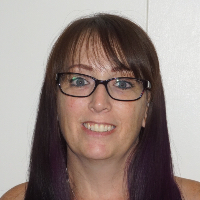
California · 23 yrs exp
Licensed MFT - Anxiety and Relationships
Stress, Anxiety · LGBT · Relationship · Family · +5 more
Read profile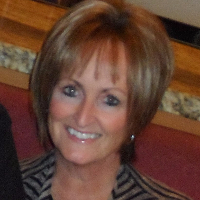
Nevada · 30 yrs exp
LCPC and LMHC - Anxiety and Grief focus
Stress, Anxiety · Grief · Self esteem · Coping with life changes · +14 more
Read profile
Florida · 23 yrs exp
LICSW LCSW - LGBT and intimacy areas
LGBT · Intimacy-related issues
Read profile
New Jersey · 15 yrs exp
LCSW - Anxiety and relationship concerns
Stress, Anxiety · Family · Trauma and abuse · Parenting · +10 more
Read profile
Minnesota · 14 yrs exp
Minnesota LMFT - Relationships and Anxiety
Stress, Anxiety · Relationship · Family · Trauma and abuse · +8 more
Read profile
District of Columbia · 20 yrs exp
LPC in DC - Trauma and mood concerns
Trauma and abuse · Self esteem · Bipolar · Depression · +1 more
Read profile
North Carolina · 16 yrs exp
LCMHC - Anxiety and Relationship concerns
Stress, Anxiety · Relationship · Trauma and abuse · Grief · +7 more
Read profile
Florida · 25 yrs exp
Licensed Mental Health Counselor - Relationships and Trauma
Relationship · Trauma and abuse · Grief · Anger · +12 more
Read profile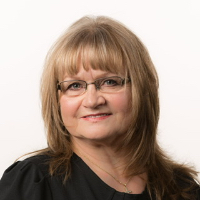
Texas · 15 yrs exp
Licensed Professional Counselor - Anxiety and Trauma
Addictions · Relationship · Trauma and abuse · Grief · +13 more
Read profile
Florida · 7 yrs exp
Licensed counselor - Addiction and trauma focus
Addictions · Relationship · Family · Trauma and abuse · +13 more
Read profile
Texas · 12 yrs exp
LMFT focusing on anxiety and relationships
Stress, Anxiety · Addictions · Relationship · Grief · +11 more
Read profile
Missouri · 36 yrs exp
LCSW in Missouri - Anxiety and relationship concerns
Stress, Anxiety · Relationship · Trauma and abuse · Intimacy-related issues · +15 more
Read profile
New York · 5 yrs exp
Licensed Mental Health Counselor - Anxiety and Relationships
Stress, Anxiety · LGBT · Trauma and abuse · Bipolar · +12 more
Read profile
Rhode Island · 18 yrs exp
LMHC - Anxiety and Relationship concerns
Stress, Anxiety · Relationship · Trauma and abuse · Grief · +12 more
Read profile
Arizona · 6 yrs exp
Licensed Professional Counselor - Anxiety and Relationships
Stress, Anxiety · Relationship · Family · Self esteem · +11 more
Read profile
Illinois · 20 yrs exp
Licensed counselor - Anxiety and relationships
Stress, Anxiety · LGBT · Anger · Self esteem · +12 more
Read profile
New York · 11 yrs exp
New York LMHC - Anxiety and Life Transitions
Stress, Anxiety · Grief · Self esteem · Relationship · +8 more
Read profile
Louisiana · 10 yrs exp
LPC counselor - Anxiety and relationships
Stress, Anxiety · Relationship · Family · Depression · +12 more
Read profile
Oregon · 32 yrs exp
LMFT - Anxiety and Relationship Concerns
Stress, Anxiety · Relationship · Trauma and abuse · Grief · +9 more
Read profile
Ohio · 33 yrs exp
LPCC counselor - Anxiety and trauma
Stress, Anxiety · Family · Trauma and abuse · Self esteem · +12 more
Read profile
Illinois · 10 yrs exp
Illinois LCPC - Anxiety and Relationships
Stress, Anxiety · LGBT · Relationship · Trauma and abuse · +10 more
Read profile
North Carolina · 13 yrs exp
LCSW - Anxiety and relationship concerns
Stress, Anxiety · Relationship · Family · Self esteem · +13 more
Read profile
Washington · 12 yrs exp
Washington LMHC - Anxiety and Relationships
Stress, Anxiety · Relationship · Family · Self esteem · +15 more
Read profile
Virginia · 6 yrs exp
Licensed Professional Counselor - Anxiety and Trauma
Stress, Anxiety · Trauma and abuse · Parenting · Depression · +4 more
Read profile
New York · 25 yrs exp
LCSW - Anxiety and relationship concerns
Stress, Anxiety · Trauma and abuse · Self esteem · Depression · +7 more
Read profile
South Carolina · 36 yrs exp
LISW-CP - Anxiety and Addiction support
Stress, Anxiety · Addictions · Family · Trauma and abuse · +3 more
Read profile
Michigan · 35 yrs exp
LMSW - Anxiety and relationship concerns
Stress, Anxiety · Addictions · Trauma and abuse · Self esteem · +3 more
Read profile
Colorado · 11 yrs exp
LPC counselor - anxiety and life transitions
Stress, Anxiety · LGBT · Trauma and abuse · Anger · +15 more
Read profile
Illinois · 28 yrs exp
Licensed counselor - anxiety and relationships
Stress, Anxiety · Relationship · Grief · Self esteem · +8 more
Read profile
Texas · 21 yrs exp
LCSW - Anxiety and Relationship Concerns
Stress, Anxiety · Relationship · Trauma and abuse · Intimacy-related issues · +15 more
Read profile
Missouri · 14 yrs exp
Licensed Professional Counselor - Anxiety and Life Changes
Stress, Anxiety · Self esteem · Career · Depression · +13 more
Read profile
Texas · 22 yrs exp
Dr. Ngozi Okose - LPC, anxiety and relationship concerns
Stress, Anxiety · Relationship · Trauma and abuse · Depression · +16 more
Read profile
Tennessee · 28 yrs exp
Tennessee psychologist - anxiety and relationships
Stress, Anxiety · Relationship · Grief · Depression · +10 more
Read profile
Pennsylvania · 35 yrs exp
Licensed counselor - anxiety and life changes
Stress, Anxiety · Self esteem · Career · Depression · +10 more
Read profile
Illinois · 25 yrs exp
Licensed Clinical Social Worker - Anxiety and Life Changes
Stress, Anxiety · Self esteem · Career · Coping with life changes · +10 more
Read profile
Florida · 30 yrs exp
FL Psychologist - Anxiety and Stress
Stress, Anxiety · Grief · Anger · Depression · +15 more
Read profile
Wisconsin · 11 yrs exp
LPC in Wisconsin - anxiety and relationship concerns
Stress, Anxiety · Family · Trauma and abuse · Depression · +12 more
Read profile
Louisiana · 14 yrs exp
LCSW - Anxiety and life stress
Stress, Anxiety · Anger · Self esteem · Depression · +9 more
Read profile
Texas · 20 yrs exp
Licensed Professional Counselor - Anxiety and life changes
Stress, Anxiety · Trauma and abuse · Self esteem · Depression · +12 more
Read profile
Mississippi · 12 yrs exp
Licensed Clinical Social Worker - Anxiety and Addictions
Stress, Anxiety · Addictions · Anger · Self esteem · +12 more
Read profile
Texas · 23 yrs exp
LPC counselor - anxiety and relationships
Stress, Anxiety · Relationship · Self esteem · Career · +11 more
Read profile
Pennsylvania · 6 yrs exp
Licensed Professional Counselor - Anxiety and Relationships
Stress, Anxiety · LGBT · Relationship · Self esteem · +15 more
Read profile
Arizona · 22 yrs exp
Licensed Professional Counselor - Anxiety and Relationship support
Stress, Anxiety · Relationship · Family · Grief · +16 more
Read profile
Tennessee · 35 yrs exp
Licensed Clinical Social Worker - Anxiety and Life Changes
Stress, Anxiety · Grief · Self esteem · Depression · +8 more
Read profile
Virginia · 14 yrs exp
LPC - Trauma and anxiety focused
Trauma and abuse · Grief · Coping with life changes · Compassion fatigue · +12 more
Read profile
Georgia · 25 yrs exp
LISW social worker - anxiety and relationships
Stress, Anxiety · Parenting · Anger · Self esteem · +15 more
Read profile
Texas · 18 yrs exp
LPC in Texas - Anxiety and Relationships
Stress, Anxiety · Relationship · Family · Parenting · +9 more
Read profile
Nebraska · 25 yrs exp
LMHP - Stress and anxiety support
Stress, Anxiety · Family · Trauma and abuse · Parenting · +12 more
Read profile
Florida · 20 yrs exp
LMHC in Florida - Anxiety and life changes
Stress, Anxiety · Grief · Self esteem · Depression · +9 more
Read profile
Wisconsin · 11 yrs exp
Licensed counselor - anxiety and life changes
Stress, Anxiety · Relationship · Family · Self esteem · +6 more
Read profile
Georgia · 12 yrs exp
LPC counselor - Anxiety and mood concerns
Stress, Anxiety · Addictions · Trauma and abuse · Anger · +1 more
Read profile
South Carolina · 20 yrs exp
Licensed clinical social worker - anxiety and eating concerns
Stress, Anxiety · Relationship · Eating · Self esteem · +10 more
Read profile
New York · 36 yrs exp
Licensed Mental Health Counselor - Anxiety and Family
Stress, Anxiety · Family · Parenting · Self esteem · +7 more
Read profile
Colorado · 9 yrs exp
Licensed Clinical Social Worker - Anxiety and relationships
Stress, Anxiety · Relationship · Grief · Depression · +11 more
Read profile
Florida · 13 yrs exp
Florida LMHC - Anxiety and Relationships
Stress, Anxiety · Relationship · Intimacy-related issues · Depression · +15 more
Read profile
Louisiana · 10 yrs exp
Licensed Professional Counselor - Anxiety and Relationships
Stress, Anxiety · Trauma and abuse · Anger · Self esteem · +12 more
Read profile
Colorado · 19 yrs exp
Licensed Professional Counselor - anxiety and life changes
Stress, Anxiety · Addictions · Self esteem · Depression · +14 more
Read profileCommunication problems can show up in many forms - repeated misunderstandings, frequent arguments, difficulty expressing needs, or a steady pattern of withdrawal in conversations. You may notice that conversations end with hurt feelings, that important topics are avoided, or that there is a cycle of repeating the same grievances without resolution. Communication challenges are not limited to romantic relationships; they appear among family members, coworkers, friends, and within larger social circles. When communication breaks down, everyday tasks can feel harder, stress can increase, and relationships that once felt dependable may start to fray.
Because communication is both a set of skills and a reflection of emotional patterns, difficulties often involve both technique and feeling. You might be trying to express a concern but get sidetracked by anxiety, shame, or fear of escalation. Alternatively, a conversational partner may respond defensively or stonewall, which can reinforce silence and distance. Over time these patterns shape how you interact - you may develop rules about what is safe to talk about or adopt conflict habits that are hard to step away from. Therapy aimed at communication problems often addresses both the skills and the underlying emotions that drive those habits.
If conversations leave you feeling misunderstood, unseen, or chronically upset, that is an indicator that a focus on communication could be worthwhile. You may experience repeated cycles where attempts to solve an issue only make it worse, or you may find that important topics are avoided because they predict negative outcomes. Another sign is a steady erosion of closeness - you and a partner, family member, or colleague may be present in each otherâs lives but increasingly separate in experience and understanding. You might notice physical signs such as tension, disrupted sleep, or persistent worry related to interactions with specific people. It is also common to feel stuck in roles - for example, always the peacemaker, always the critic, or always withdrawing - and to want alternatives to those default responses.
Therapy can be helpful when you want to change these patterns but are unsure how to start. Seeking help is not a sign that something is irreparable; rather it is an intentional step toward learning different ways to relate and communicate. Whether you want to improve daily conversations, resolve a particular recurring conflict, or rebuild trust after a breakdown, focusing on communication in therapy gives you tools to make tangible changes in how you connect with others.
When you begin working with a therapist on communication issues, the first phase often involves assessment and clarifying goals. You and the therapist will explore the specific patterns that cause difficulty, identify the relationships most affected, and set targets for change. Sessions frequently include opportunities to tell your side of the story while the clinician helps map the interaction cycle - what triggers tense responses, how emotions escalate, and what behaviors follow. This mapping creates a shared language that you can use to notice patterns as they happen.
After the assessment phase, therapy commonly shifts toward skill building and practice. You may learn strategies for expressing needs without escalating defensiveness, techniques for active listening, and ways to de-escalate arguments. Many therapists use role-play or structured exercises in session so you can try new responses in a supported setting. Assignments between sessions help translate those skills into everyday life, with reflection on what worked and what felt difficult. Over time you should expect not just new techniques but also a shift in how you and your relationship approach conflicts - moving from repetition toward curiosity, repair, and clearer boundaries.
You will find a range of approaches among therapists who work with communication problems. Some therapists focus on skill-based methods that teach concrete strategies for expressing emotions, listening, and negotiating. Others emphasize emotional processes and work to help you identify the feelings that underlie reactive behaviors. There are also systemic approaches that examine how roles, family histories, and broader patterns influence communication.
When looking through therapist profiles you may see clinicians who list cognitive-behavioral approaches among their methods. Therapists who list emotion-focused interventions among their approaches often help clients access and articulate the underlying emotions that shape communication. You may also encounter therapists who list relational or couples-oriented approaches among their methods - those therapists frequently focus on patterns between two or more people and on repair strategies after missteps. Narrative-oriented clinicians who list that approach tend to explore the stories you tell about interactions and then experiment with alternative ways of framing events. Many therapists combine methods depending on your needs, and those who list skills training among their approaches often emphasize practical tools you can use right away.
Online therapy offers a flexible way to address communication problems across distances and schedules. In virtual sessions you and your therapist meet through video, phone, or messaging formats that the clinician outlines on their profile. Video meetings recreate much of the face-to-face interaction, allowing you to observe nonverbal cues and practice conversational skills in real time. Some therapists also use online tools to share worksheets, record dialogues, or guide exercises that you can use between sessions.
Working online can be particularly helpful if you and a partner live apart or if in-person meetings are difficult due to logistics. You should expect to discuss practical matters at the start - what platform will be used, how sessions will be scheduled, and what to do if technical issues arise. Many therapists who work online pay attention to creating a comfortable setting for sessions and will offer ideas about where to sit, how to minimize distractions, and ways to structure practice outside of appointments. If the focus is on couples or family communication, therapists may invite two or more participants to join a single session from different locations. That setup allows direct practice and immediate feedback, which are essential for shifting interaction patterns.
Finding the right therapist for communication problems involves matching focus areas, approaches, and interpersonal fit. Start by looking for clinicians who explicitly list communication problems or related areas among their focuses. Pay attention to the approaches they list - if you want skills-based strategies, prioritize therapists who list skills training or cognitive-behavioral methods among their approaches. If you are more interested in exploring emotions and attachment, look for therapists who list emotion-focused or relational approaches. Consider language needs, cultural background, and any experience that aligns with your specific relationship context, as these factors can shape how you are understood and supported.
Reading therapist profiles can give you a sense of style and priorities, but a short introductory conversation or intake is often the best way to judge fit. In that conversation you might ask about the therapistâs typical process for addressing communication problems, how they structure sessions when working with couples or families, and what kind of practice they recommend between sessions. Reflect on whether you feel heard and whether the therapist offers clear, practical ideas you can try. Therapy is a collaborative process - a therapist who invites your input and adapts to your goals is likely to help you move toward clearer, more connected communication. When you are ready, use the listings below to explore clinicians who list communication problems as a focus and find profiles that align with your priorities and preferences.
Alabama
99 therapists
Alaska
8 therapists
Arizona
102 therapists
Arkansas
58 therapists
Australia
252 therapists
California
680 therapists
Colorado
159 therapists
Connecticut
70 therapists
Delaware
19 therapists
District of Columbia
19 therapists
Florida
718 therapists
Georgia
169 therapists
Hawaii
29 therapists
Idaho
49 therapists
Illinois
265 therapists
Indiana
124 therapists
Iowa
35 therapists
Kansas
45 therapists
Kentucky
115 therapists
Louisiana
142 therapists
Maine
23 therapists
Maryland
122 therapists
Massachusetts
119 therapists
Michigan
256 therapists
Minnesota
99 therapists
Mississippi
67 therapists
Missouri
174 therapists
Montana
43 therapists
Nebraska
44 therapists
Nevada
49 therapists
New Hampshire
19 therapists
New Jersey
171 therapists
New Mexico
31 therapists
New York
457 therapists
North Carolina
274 therapists
North Dakota
7 therapists
Ohio
200 therapists
Oklahoma
137 therapists
Oregon
41 therapists
Pennsylvania
259 therapists
Rhode Island
14 therapists
South Carolina
133 therapists
South Dakota
21 therapists
Tennessee
107 therapists
Texas
763 therapists
United Kingdom
1668 therapists
Utah
66 therapists
Vermont
19 therapists
Virginia
116 therapists
Washington
94 therapists
West Virginia
28 therapists
Wisconsin
116 therapists
Wyoming
19 therapists