
Kelley Sullivan
LCSWColorado · 19 yrs exp
LCSW - Anxiety and relationship concerns
Stress, Anxiety · Relationship · Trauma and abuse · Grief · +12 more
Read profileTherapist listings are provided by BetterHelp. We will earn a commission at no additional cost to you if you use our links to purchase.
This page lists therapists who work with infidelity and relationship recovery, including details on approaches, credentials, languages, and focus areas. Browse the listings below to find professionals whose experience and methods match what you need.
Colorado · 19 yrs exp
LCSW - Anxiety and relationship concerns
Stress, Anxiety · Relationship · Trauma and abuse · Grief · +12 more
Read profile
Alabama · 22 yrs exp
Licensed Professional Counselor - Anxiety and Stress
Stress, Anxiety · Trauma and abuse · Anger · Self esteem · +16 more
Read profile
Texas · 13 yrs exp
LCSW - Anxiety and relationship concerns
Stress, Anxiety · Relationship · Trauma and abuse · Anger · +11 more
Read profile
Minnesota · 14 yrs exp
Minnesota LMFT - Relationships and Anxiety
Stress, Anxiety · Relationship · Family · Trauma and abuse · +8 more
Read profile
Louisiana · 7 yrs exp
Licensed professional counselor - anxiety and trauma
Stress, Anxiety · Family · Trauma and abuse · Parenting · +15 more
Read profile
Florida · 25 yrs exp
Licensed Mental Health Counselor - Relationships and Trauma
Relationship · Trauma and abuse · Grief · Anger · +12 more
Read profile
Florida · 7 yrs exp
Licensed counselor - Addiction and trauma focus
Addictions · Relationship · Family · Trauma and abuse · +13 more
Read profile
Texas · 12 yrs exp
LMFT focusing on anxiety and relationships
Stress, Anxiety · Addictions · Relationship · Grief · +11 more
Read profile
New York · 5 yrs exp
Licensed Mental Health Counselor - Anxiety and Relationships
Stress, Anxiety · LGBT · Trauma and abuse · Bipolar · +12 more
Read profile
Arizona · 6 yrs exp
Licensed Professional Counselor - Anxiety and Relationships
Stress, Anxiety · Relationship · Family · Self esteem · +11 more
Read profile
Illinois · 20 yrs exp
Licensed counselor - Anxiety and relationships
Stress, Anxiety · LGBT · Anger · Self esteem · +12 more
Read profile
Florida · 12 yrs exp
Florida LMHC - Anxiety and Relationships
Stress, Anxiety · Relationship · Intimacy-related issues · Depression · +8 more
Read profile
Louisiana · 10 yrs exp
LPC counselor - Anxiety and relationships
Stress, Anxiety · Relationship · Family · Depression · +12 more
Read profile
Ohio · 33 yrs exp
LPCC counselor - Anxiety and trauma
Stress, Anxiety · Family · Trauma and abuse · Self esteem · +12 more
Read profile
Illinois · 10 yrs exp
Illinois LCPC - Anxiety and Relationships
Stress, Anxiety · LGBT · Relationship · Trauma and abuse · +10 more
Read profile
Oklahoma · 30 yrs exp
LPC Counselor - Anxiety and Life Changes
Stress, Anxiety · Grief · Intimacy-related issues · Depression · +8 more
Read profile
Washington · 12 yrs exp
Washington LMHC - Anxiety and Relationships
Stress, Anxiety · Relationship · Family · Self esteem · +15 more
Read profile
Michigan · 35 yrs exp
LMSW - Anxiety and relationship concerns
Stress, Anxiety · Addictions · Trauma and abuse · Self esteem · +3 more
Read profile
Colorado · 11 yrs exp
LPC counselor - anxiety and life transitions
Stress, Anxiety · LGBT · Trauma and abuse · Anger · +15 more
Read profile
Texas · 21 yrs exp
LCSW - Anxiety and Relationship Concerns
Stress, Anxiety · Relationship · Trauma and abuse · Intimacy-related issues · +15 more
Read profile
Missouri · 14 yrs exp
Licensed Professional Counselor - Anxiety and Life Changes
Stress, Anxiety · Self esteem · Career · Depression · +13 more
Read profile
Texas · 22 yrs exp
Dr. Ngozi Okose - LPC, anxiety and relationship concerns
Stress, Anxiety · Relationship · Trauma and abuse · Depression · +16 more
Read profile
Tennessee · 28 yrs exp
Tennessee psychologist - anxiety and relationships
Stress, Anxiety · Relationship · Grief · Depression · +10 more
Read profile
Pennsylvania · 35 yrs exp
Licensed counselor - anxiety and life changes
Stress, Anxiety · Self esteem · Career · Depression · +10 more
Read profile
Wisconsin · 11 yrs exp
LPC in Wisconsin - anxiety and relationship concerns
Stress, Anxiety · Family · Trauma and abuse · Depression · +12 more
Read profile
Louisiana · 14 yrs exp
LCSW - Anxiety and life stress
Stress, Anxiety · Anger · Self esteem · Depression · +9 more
Read profile
Texas · 23 yrs exp
LPC counselor - anxiety and relationships
Stress, Anxiety · Relationship · Self esteem · Career · +11 more
Read profile
Arizona · 22 yrs exp
Licensed Professional Counselor - Anxiety and Relationship support
Stress, Anxiety · Relationship · Family · Grief · +16 more
Read profile
Tennessee · 35 yrs exp
Licensed Clinical Social Worker - Anxiety and Life Changes
Stress, Anxiety · Grief · Self esteem · Depression · +8 more
Read profile
Georgia · 25 yrs exp
LISW social worker - anxiety and relationships
Stress, Anxiety · Parenting · Anger · Self esteem · +15 more
Read profile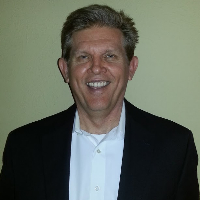
Texas · 18 yrs exp
LPC in Texas - Anxiety and Relationships
Stress, Anxiety · Relationship · Family · Parenting · +9 more
Read profile
Florida · 20 yrs exp
LMHC in Florida - Anxiety and life changes
Stress, Anxiety · Grief · Self esteem · Depression · +9 more
Read profile
South Carolina · 20 yrs exp
Licensed clinical social worker - anxiety and eating concerns
Stress, Anxiety · Relationship · Eating · Self esteem · +10 more
Read profile
Colorado · 9 yrs exp
Licensed Clinical Social Worker - Anxiety and relationships
Stress, Anxiety · Relationship · Grief · Depression · +11 more
Read profile
Florida · 13 yrs exp
Florida LMHC - Anxiety and Relationships
Stress, Anxiety · Relationship · Intimacy-related issues · Depression · +15 more
Read profile
Louisiana · 10 yrs exp
Licensed Professional Counselor - Anxiety and Relationships
Stress, Anxiety · Trauma and abuse · Anger · Self esteem · +12 more
Read profile
Louisiana · 14 yrs exp
LPC - Anxiety and Relationship Concerns
Stress, Anxiety · Parenting · Anger · Self esteem · +1 more
Read profile
Ohio · 17 yrs exp
LISW - Anxiety and Relationship Concerns
Stress, Anxiety · Family · Parenting · Depression · +12 more
Read profile
Michigan · 31 yrs exp
LMSW - Anxiety and relationship support
Stress, Anxiety · Family · Trauma and abuse · Self esteem · +16 more
Read profile
Georgia · 7 yrs exp
LMFT - Anxiety and Relationships
Stress, Anxiety · Relationship · Intimacy-related issues · Anger · +11 more
Read profile
Oregon · 17 yrs exp
Licensed MFT - Anxiety and Trauma
Stress, Anxiety · Trauma and abuse · Grief · Intimacy-related issues · +1 more
Read profile
Tennessee · 35 yrs exp
LMFT - Relationships and Addictions
Addictions · Relationship · Family · Trauma and abuse · +1 more
Read profile
Texas · 26 yrs exp
Licensed Professional Counselor - Anxiety and Relationships
Stress, Anxiety · Relationship · Trauma and abuse · Grief · +11 more
Read profile
California · 40 yrs exp
LMFT focusing on anxiety and relationships
Stress, Anxiety · Relationship · Family · Trauma and abuse · +7 more
Read profile
Colorado · 13 yrs exp
Licensed Marriage and Family Therapist - Anxiety and Relationships
Stress, Anxiety · LGBT · Relationship · Trauma and abuse · +10 more
Read profile
Texas · 12 yrs exp
LPC in Texas - relationships and trauma
Relationship · Trauma and abuse · Intimacy-related issues · Parenting · +1 more
Read profile
Texas · 18 yrs exp
LPC counselor - anxiety and addictions
Stress, Anxiety · Addictions · LGBT · Relationship · +14 more
Read profile
Ohio · 13 yrs exp
LPCC - Anxiety and mood concerns
Stress, Anxiety · Addictions · Family · Self esteem · +11 more
Read profile
Montana · 23 yrs exp
Licensed Clinical Professional Counselor - Anxiety, Family
Stress, Anxiety · Family · Trauma and abuse · Parenting · +12 more
Read profile
South Carolina · 20 yrs exp
Licensed Professional Counselor - Anxiety and Relationships
Stress, Anxiety · Relationship · Trauma and abuse · Anger · +11 more
Read profile
Texas · 19 yrs exp
Licensed Professional Counselor - Anxiety and Relationships
Stress, Anxiety · Relationship · Family · Trauma and abuse · +12 more
Read profile
Ohio · 18 yrs exp
LISW - Anxiety and relationship concerns
Stress, Anxiety · Relationship · Grief · Self esteem · +10 more
Read profile
Virginia · 20 yrs exp
VA Psychologist - Trauma and Stress
Read profile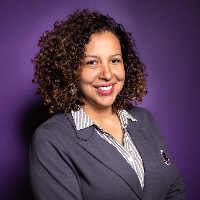
Texas · 15 yrs exp
Licensed Professional Counselor - anxiety and life changes
Stress, Anxiety · Grief · Self esteem · Depression · +13 more
Read profile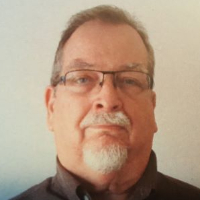
Florida · 20 yrs exp
Licensed Clinical Social Worker - Anxiety and Trauma
Stress, Anxiety · Trauma and abuse · Grief · Career · +15 more
Read profile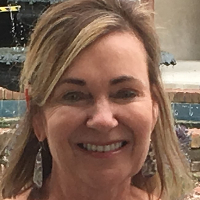
Kentucky · 15 yrs exp
Licensed Clinical Social Worker - Anxiety and Relationships
Stress, Anxiety · Relationship · Parenting · Anger · +13 more
Read profile
Oklahoma · 9 yrs exp
LPC therapist - anxiety and life changes
Stress, Anxiety · Anger · Self esteem · Coping with life changes · +16 more
Read profile
Mississippi · 15 yrs exp
Licensed Professional Counselor - anxiety and relationships
Stress, Anxiety · Addictions · Relationship · Family · +5 more
Read profile
Indiana · 33 yrs exp
LCSW - Anxiety and life changes
Stress, Anxiety · Parenting · Anger · Depression · +13 more
Read profile
Michigan · 25 yrs exp
Licensed Professional Counselor - Anxiety and Relationships
Stress, Anxiety · Relationship · Grief · Self esteem · +9 more
Read profileInfidelity can take many shapes - emotional involvement, physical affairs, online or digital betrayals, or patterns of secrecy that erode trust. For you, the experience may be marked by shock, anger, grief, or ongoing uncertainty about what happened and what it means for your relationship. Even when the factual events are clear, the emotional fallout often extends far beyond the incident itself, touching self-esteem, sexual intimacy, and the day-to-day sense of safety with your partner.
After an affair, you may notice changes in sleep, appetite, concentration, or motivation. Couples often describe a persistent sense of vigilance or fear that a similar breach might recur. If you are the partner who had the affair, you may experience guilt, shame, or a desire to justify the behavior. If you are the partner who was betrayed, you may wrestle with intrusive thoughts, compulsive checking, or withdrawal from closeness. These emotional and behavioral responses are common and understandable. Therapy for infidelity typically addresses both the immediate emotional needs and the longer-term patterns that influence healing, whether you want to repair the relationship or work toward clarity about next steps.
If you find that the aftermath of infidelity is interfering with work, parenting, or your ability to enjoy daily life, therapy can offer focused support. You might notice repeated arguments that go in circles, a breakdown in communication, or difficulty trusting even small reassurances. Therapy can help you make sense of why the event triggered such strong responses and give you tools to manage overwhelming emotions in healthier ways.
Infidelity often requires difficult choices about whether to stay, separate, or redefine the relationship. If you want clear-eyed exploration of your options, therapy provides a space to weigh values, expectations, and practical concerns while avoiding rushed decisions made under intense emotion. You may also seek therapy to learn how to reopen honest dialogue, set boundaries, or rebuild a cooperative parenting or cohabiting arrangement if that applies.
The first phase of therapy usually involves gathering your story in a calm, structured way. You and your therapist will talk about the timeline, how the event(s) unfolded, and what you most want from therapy. If you are coming as a couple, the therapist will likely ask each partner to describe their perspective so that both voices are heard. This early work is not about taking sides but about understanding patterns of interaction, expectations, and the meanings each partner assigns to the betrayal.
In subsequent sessions you will practice communication skills, learn strategies to manage intense emotions, and explore ways to restore or reframe trust. If you are the betrayed partner, you may work on tolerating painful feelings and gradually testing new interactions. If you are the partner who caused harm, you may focus on accountability, transparency, and behavioral changes that demonstrate commitment to repair. Sessions often alternate between individual work and joint conversations so that each person has space to process and to practice new ways of relating.
Therapists use diverse approaches when addressing infidelity, and you may find clinicians who combine methods to fit your needs. Some therapists who list emotionally focused approaches emphasize attachment and the emotional bond between partners, aiming to create new patterns of responsiveness. Others describe cognitive and behavioral strategies aimed at changing specific thoughts and actions that perpetuate conflict. There are therapists who list trauma-informed methods and those who include mindfulness-based practices to help you regulate intense feelings.
If you encounter therapists who list approaches such as narrative or psychodynamic work, the focus may be on exploring deeper relationship and life-story patterns that contributed to vulnerabilities. Therapists who list couples methods may center on communication patterns, repair rituals, and rebuilding safety through consistent behaviors. You may also find clinicians who list EMDR among their approaches for processing highly distressing memories; phrasing like "therapists who list EMDR among their approaches" makes clear that a modality is one of several tools they use. It can be helpful to read therapists' profiles to see how they describe integrating different methods and to choose someone whose language about healing aligns with your goals.
Online therapy allows you to connect with a clinician from your home, a parked car, or another place where you feel comfortable. Sessions typically use video or telephone, and some therapists also offer messaging between meetings. For infidelity work, online sessions can be effective for emotional processing, skill building, and guided conversations. Some couples choose to mix in-person meetings when available with virtual sessions to maintain flexibility. You should expect the therapist to outline how they handle boundaries, communication between sessions, and what to do in crises so you understand how the relationship will be managed.
When you explore therapist profiles, look for descriptions that match what you need - whether that is a focus on couples repair, trauma-sensitive individual work, or cultural and language compatibility. Pay attention to how therapists describe their approach to infidelity rather than assuming specific certifications. Consider whether you want someone who emphasizes behavioral change and accountability, someone who focuses on emotional bonding, or a clinician who blends methods. Think about practical fit as well - language, cultural background, and stated areas of specialization can influence how comfortable you feel sharing sensitive material. Reading profiles can help you form an initial impression of whether a therapist's perspective resonates with your values and goals.
Before you begin therapy, reflect on what you hope will change. You might write down short-term goals such as managing intense reactions, or longer-term aims such as rebuilding mutual trust or deciding whether to remain together. If you plan to attend with your partner, agree in advance on a few ground rules for the first session - for example, taking turns to speak so each voice can be heard. Bring any questions you have about the therapist's approach and how they handle sensitive material so you can make an informed choice.
Healing after infidelity is rarely linear. You may experience progress alongside setbacks, and that is part of the process. Therapy can help you build the skills to navigate triggers, communicate needs more clearly, and set boundaries that protect your well-being. Whether your path involves rebuilding the relationship or redefining it, the work often leads to greater clarity about what you want and how to move forward. Trust your instincts about what feels safe and useful for you, and seek a therapist whose style and language support the kind of change you are seeking.
Infidelity work can be deeply personal and challenging, and choosing a therapist whose approach and perspective resonate with you is an important step. Use the listings above to learn more about clinicians' specialties, approaches, and languages so you can find a fit that supports your healing journey.
Alabama
99 therapists
Alaska
8 therapists
Arizona
102 therapists
Arkansas
58 therapists
Australia
252 therapists
California
680 therapists
Colorado
159 therapists
Connecticut
70 therapists
Delaware
19 therapists
District of Columbia
19 therapists
Florida
718 therapists
Georgia
169 therapists
Hawaii
29 therapists
Idaho
49 therapists
Illinois
265 therapists
Indiana
124 therapists
Iowa
35 therapists
Kansas
45 therapists
Kentucky
115 therapists
Louisiana
142 therapists
Maine
23 therapists
Maryland
122 therapists
Massachusetts
119 therapists
Michigan
256 therapists
Minnesota
99 therapists
Mississippi
67 therapists
Missouri
174 therapists
Montana
43 therapists
Nebraska
44 therapists
Nevada
49 therapists
New Hampshire
19 therapists
New Jersey
171 therapists
New Mexico
31 therapists
New York
457 therapists
North Carolina
274 therapists
North Dakota
7 therapists
Ohio
200 therapists
Oklahoma
137 therapists
Oregon
41 therapists
Pennsylvania
259 therapists
Rhode Island
14 therapists
South Carolina
133 therapists
South Dakota
21 therapists
Tennessee
107 therapists
Texas
763 therapists
United Kingdom
1668 therapists
Utah
66 therapists
Vermont
19 therapists
Virginia
116 therapists
Washington
94 therapists
West Virginia
28 therapists
Wisconsin
116 therapists
Wyoming
19 therapists