
Dr. Christina Collins
LCMHCNorth Carolina · 16 yrs exp
LCMHC - Anxiety and Relationship concerns
Stress, Anxiety · Relationship · Trauma and abuse · Grief · +7 more
Read profileTherapist listings are provided by BetterHelp. We will earn a commission at no additional cost to you if you use our links to purchase.
Welcome to our directory of online therapists serving North Carolina residents. All therapists listed here are licensed, and you can explore profiles to compare approaches, languages, and areas of focus.
North Carolina · 16 yrs exp
LCMHC - Anxiety and Relationship concerns
Stress, Anxiety · Relationship · Trauma and abuse · Grief · +7 more
Read profile
North Carolina · 13 yrs exp
LCSW - Anxiety and relationship concerns
Stress, Anxiety · Relationship · Family · Self esteem · +13 more
Read profile
North Carolina · 20 yrs exp
Licensed Professional Counselor - Anxiety and Relationships
Stress, Anxiety · Relationship · Family · Self esteem · +9 more
Read profile
North Carolina · 16 yrs exp
Licensed Clinical Social Worker - Anxiety and Addiction
Stress, Anxiety · Addictions · Trauma and abuse · Anger · +13 more
Read profile
North Carolina · 7 yrs exp
LCSW - anxiety and relationship concerns
Stress, Anxiety · LGBT · Relationship · Trauma and abuse · +1 more
Read profile
North Carolina · 10 yrs exp
LCSW - Anxiety and trauma support
Stress, Anxiety · Trauma and abuse · Self esteem · Depression · +1 more
Read profile
North Carolina · 20 yrs exp
Licensed LCMHC - Anxiety and Addictions
Stress, Anxiety · Addictions · Anger · Depression · +7 more
Read profile
North Carolina · 5 yrs exp
Licensed counselor - Anxiety and family concerns
Stress, Anxiety · Family · Trauma and abuse · Depression · +15 more
Read profile
North Carolina · 22 yrs exp
LMFT - Anxiety and Relationship concerns
Stress, Anxiety · Addictions · Relationship · Family · +2 more
Read profile
North Carolina · 7 yrs exp
Licensed Marriage and Family Therapist - Relationships and Parenting
Relationship · Family · Intimacy-related issues · Parenting · +7 more
Read profile
North Carolina · 24 yrs exp
LCSW - Anxiety and Trauma focus
Stress, Anxiety · Relationship · Family · Trauma and abuse · +14 more
Read profile
North Carolina · 20 yrs exp
Licensed counselor - Anxiety and trauma
Stress, Anxiety · Addictions · Trauma and abuse · Grief · +1 more
Read profile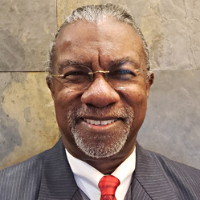
North Carolina · 48 yrs exp
LCMHC counselor - relationships and anxiety
Relationship · Family · Grief · Intimacy-related issues · +11 more
Read profile
North Carolina · 5 yrs exp
LCMHC - Anxiety and Relationship concerns
Relationship · Grief · Eating · Anger · +12 more
Read profile
North Carolina · 16 yrs exp
Licensed Counselor - Anxiety and Addictions
Stress, Anxiety · Addictions · Grief · Eating · +12 more
Read profile
North Carolina · 23 yrs exp
LCMHC - Anxiety and Addiction support
Stress, Anxiety · Addictions · Trauma and abuse · Grief · +14 more
Read profile
North Carolina · 6 yrs exp
LCMHC - Anxiety and trauma focus
Stress, Anxiety · Trauma and abuse · Self esteem · Depression · +8 more
Read profile
North Carolina · 17 yrs exp
Licensed counselor - family and trauma
Family · Trauma and abuse · Depression · Stress, Anxiety · +11 more
Read profile
North Carolina · 10 yrs exp
LCSW - Anxiety and family concerns
Stress, Anxiety · Family · Grief · Parenting · +10 more
Read profile
North Carolina · 14 yrs exp
Licensed Clinical Social Worker - Anxiety and Addictions
Stress, Anxiety · Addictions · Relationship · Self esteem · +7 more
Read profile
North Carolina · 20 yrs exp
Licensed clinical social worker - anxiety and mood concerns
Stress, Anxiety · Trauma and abuse · Grief · Depression · +1 more
Read profile
North Carolina · 26 yrs exp
LCMHC - Anxiety and Family Concerns
Stress, Anxiety · Parenting · Anger · Self esteem · +1 more
Read profile
North Carolina · 28 yrs exp
Licensed Clinical Social Worker - Anxiety and Mood
Stress, Anxiety · Grief · Anger · Depression · +1 more
Read profile
North Carolina · 13 yrs exp
LCSW - Anxiety and relationship support
Stress, Anxiety · Relationship · Family · Self esteem · +12 more
Read profile
North Carolina · 35 yrs exp
Licensed Clinical Social Worker - anxiety and relationships
Stress, Anxiety · Relationship · Trauma and abuse · Self esteem · +7 more
Read profile
North Carolina · 8 yrs exp
Licensed Clinical Social Worker - Grief and Anxiety
Grief · Anger · Self esteem · Depression · +1 more
Read profile
North Carolina · 20 yrs exp
Licensed counselor - Anxiety and relationships
Stress, Anxiety · Relationship · Anger · Depression · +1 more
Read profile
North Carolina · 10 yrs exp
LCMHC - Anxiety and relationship focus
Stress, Anxiety · Relationship · Family · Self esteem · +1 more
Read profile
North Carolina · 4 yrs exp
Licensed Clinical Social Worker - Anxiety and Relationships
Stress, Anxiety · Relationship · Trauma and abuse · Self esteem · +1 more
Read profile
North Carolina · 36 yrs exp
LCSW - Anxiety and trauma support
Stress, Anxiety · Addictions · Relationship · Trauma and abuse · +1 more
Read profile
North Carolina · 8 yrs exp
Licensed Clinical Social Worker - Addictions and Trauma
Addictions · Family · Trauma and abuse · Self esteem · +1 more
Read profile
North Carolina · 5 yrs exp
Licensed Clinical Mental Health Counselor - Anxiety and Trauma
Stress, Anxiety · Trauma and abuse · Anger · Self esteem · +1 more
Read profile
North Carolina · 20 yrs exp
LCMHC - Family concerns and depression
Family · Trauma and abuse · Parenting · Depression · +1 more
Read profile
North Carolina · 7 yrs exp
Licensed clinical social worker - Anxiety and relationships
Stress, Anxiety · Relationship · Parenting · Bipolar · +1 more
Read profile
North Carolina · 13 yrs exp
LCMHC in North Carolina - Anxiety and Life Changes
Stress, Anxiety · Relationship · Grief · Depression · +1 more
Read profile
North Carolina · 10 yrs exp
LCSW - Anxiety and Trauma focus
Stress, Anxiety · Trauma and abuse · Grief · Self esteem · +1 more
Read profile
North Carolina · 12 yrs exp
Licensed Clinical Social Worker - Anxiety and Relationships
Stress, Anxiety · Relationship · Family · Grief · +1 more
Read profile
North Carolina · 4 yrs exp
LCSW - Anxiety and relationship concerns
Stress, Anxiety · Addictions · Relationship · Trauma and abuse · +1 more
Read profile
North Carolina · 8 yrs exp
LCSW - Anxiety and life transitions
Stress, Anxiety · LGBT · Self esteem · Depression · +1 more
Read profile
North Carolina · 50 yrs exp
Dr. Carroll Greene - Psychologist focused on anxiety and life challenges
Stress, Anxiety · Relationship · Self esteem · Coping with life changes · +1 more
Read profile
North Carolina · 3 yrs exp
LCSW - Anxiety and Family concerns
Stress, Anxiety · Family · Anger · Self esteem · +1 more
Read profile
North Carolina · 5 yrs exp
LCSW - Anxiety and relationship concerns
Stress, Anxiety · Relationship · Family · Depression · +1 more
Read profile
North Carolina · 25 yrs exp
Licensed Clinical Social Worker - Anxiety and Trauma
Stress, Anxiety · Relationship · Trauma and abuse · Self esteem · +9 more
Read profile
North Carolina · 28 yrs exp
LCMHC - Anxiety and Addictions focus
Stress, Anxiety · Addictions · Trauma and abuse · Bipolar · +11 more
Read profile
North Carolina · 10 yrs exp
LPC counselor - anxiety and relationships
Stress, Anxiety · Addictions · Relationship · Depression · +9 more
Read profile
North Carolina · 15 yrs exp
Licensed counselor - Anxiety and addiction support
Stress, Anxiety · Parenting · Self esteem · Depression · +15 more
Read profile
North Carolina · 9 yrs exp
Licensed Clinical Social Worker - anxiety and mood concerns
Stress, Anxiety · Grief · Anger · Depression · +13 more
Read profile
North Carolina · 20 yrs exp
LCSW - Anxiety and Depression focused
Stress, Anxiety · Grief · Self esteem · Depression · +12 more
Read profile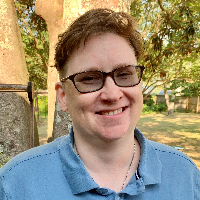
North Carolina · 10 yrs exp
LCMHC - Anxiety and trauma focus
Stress, Anxiety · Addictions · LGBT · Trauma and abuse · +13 more
Read profile
North Carolina · 20 yrs exp
LCMHC counselor for anxiety and relationships
Stress, Anxiety · Addictions · Relationship · Family · +6 more
Read profile
North Carolina · 20 yrs exp
Licensed counselor - Anxiety and life stress
Stress, Anxiety · Addictions · Family · Parenting · +11 more
Read profile
North Carolina · 5 yrs exp
LCMHC - Anxiety and Relationship Concerns
Stress, Anxiety · Trauma and abuse · Self esteem · Depression · +10 more
Read profile
North Carolina · 12 yrs exp
Licensed counselor - Anxiety and relationships
Stress, Anxiety · Trauma and abuse · Anger · Depression · +14 more
Read profile
North Carolina · 17 yrs exp
LCMHC in North Carolina - Anxiety and Stress
Stress, Anxiety · Addictions · Trauma and abuse · Self esteem · +8 more
Read profile
North Carolina · 14 yrs exp
Licensed Professional Counselor - anxiety and relationship concerns
Stress, Anxiety · Addictions · Relationship · Family · +15 more
Read profile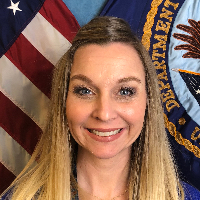
North Carolina · 13 yrs exp
Licensed Clinical Social Worker - Anxiety and trauma
Stress, Anxiety · Addictions · Trauma and abuse · Self esteem · +12 more
Read profile
North Carolina · 15 yrs exp
Licensed counselor - anxiety and relationships
Stress, Anxiety · Relationship · Anger · Depression · +12 more
Read profile
North Carolina · 23 yrs exp
Licensed Clinical Social Worker - Anxiety and Relationships
Stress, Anxiety · Family · Grief · Self esteem · +15 more
Read profile
North Carolina · 11 yrs exp
LCMHC counselor - Anxiety and stress support
Stress, Anxiety · LGBT · Trauma and abuse · Self esteem · +7 more
Read profile
North Carolina · 13 yrs exp
Licensed Clinical Social Worker - Anxiety and Stress
Stress, Anxiety · Family · Trauma and abuse · Parenting · +12 more
Read profileIf you are thinking about starting therapy from home or another convenient location in North Carolina, you will find a range of clinicians offering sessions remotely. Many practitioners now provide video or phone sessions that follow state regulations for telehealth, and therapists who list online counseling among their approaches often work with adults, adolescents, couples, and families across different regions of the state. Because laws and practice rules change over time, therapists must follow professional licensing rules that apply to services offered to North Carolina residents. That means clinicians typically indicate the kinds of clients and issues they work with, the communication formats they use, and the types of professional credentials they hold. Reviewing those details in each profile helps you understand whether a clinician's approach aligns with what you are seeking. Online therapy in North Carolina can include single-session consultations, ongoing weekly sessions, or time-limited work focused on a particular challenge. How each clinician frames their services will vary, so reading profiles and approach descriptions gives you a clearer picture of how a therapist structures remote work and what you can expect from their online sessions.
Choosing online therapy can make it easier to access care when in-person visits are difficult due to travel distances, work schedules, or family responsibilities. For people in rural parts of North Carolina, remote sessions can reduce travel time and open up options with clinicians who practice in different cities. If you have mobility limitations or caregiving duties, you may find that virtual sessions fit more smoothly into your routine. Online therapy also lets you select a therapist based on approach, language, or specialization rather than proximity alone. If you prefer to work with someone who lists culturally responsive practice, bilingual services, or certain therapeutic approaches among their offerings, you can search for those attributes and arrange an initial conversation. Many people appreciate the continuity that remote sessions provide during life transitions. If you move within the state or need to travel for work, therapists who offer online formats may be able to maintain your care without interruption. In addition, online therapy can allow for more flexible scheduling across time zones within the same state, and it creates opportunities for clinicians to use digital tools that support therapy homework, skill practice, and session notes in ways that complement face-to-face work.
Online therapists in North Carolina address a wide range of concerns, from day-to-day stress and anxiety to longer-term struggles such as depression, grief, or relationship difficulties. You will find clinicians who list trauma-focused approaches, emotion regulation strategies, and grief work among their areas of focus, as well as therapists who describe experience working with life transitions, parenting challenges, and workplace stress. Couples and family counselors who provide virtual sessions often outline whether they work with relationship communication, co-parenting, or blended family dynamics. Some therapists note expertise in areas such as substance use support, mood management, or coping with chronic illness, while others emphasize work with identity-related concerns including LGBTQ+ issues, racial or cultural identity, and the stresses of minority experiences. Because individual therapists describe their specializations differently, reading a profile gives you insight into how a clinician frames the problems they most commonly address and the client populations they serve. Remember that a therapist listing a particular approach does not guarantee a particular outcome; instead, use profiles to identify clinicians whose described focus areas and methods seem to match the challenges you want to work on.
Before you begin work with any clinician, it is helpful to confirm that their professional license is active and in good standing. Start by checking the license information included in a therapist's profile, which often lists a license type and a license number. With that information, you can use the state licensing resources for the relevant profession to verify current status. Look for the licensed title shown in the profile, such as Licensed Professional Counselor, Licensed Clinical Social Worker, Licensed Marriage and Family Therapist, or licensed psychologist, and then search the North Carolina licensing board or credentialing website that covers that profession. Search results typically show whether a license is active, the date it was issued, and whether any public orders or disciplinary actions are recorded. If you cannot find license information on a profile, it is appropriate to ask the clinician directly for their license number and the name of the licensing board. You can also request clarification about the scope of their license and where they are permitted to provide remote services. Verifying licensure helps you confirm that a clinician is authorized to practice under North Carolina's professional rules and gives you a basis for further questions about their practice approach and professional background.
Starting with an online therapist usually begins with narrowing what matters most to you, whether that is an approach, language, area of focus, or clinician background. Once you find profiles that match your priorities, reach out through the contact method shown in the profile to request a brief introductory conversation or ask a few initial questions. Many therapists offer a short phone or video call so you can get a sense of their communication style and whether you feel comfortable talking with them. During that initial exchange, you can ask about the format of sessions, the platforms they use for video meetings, typical session length, and how they handle documentation and follow-up. It is fine to interview more than one clinician until you find someone whose style and approach feel like a good fit. After you begin sessions, you can assess whether the therapist's approach meets your needs and adjust course if you do not feel progress is being made.
When choosing among online therapists, pay attention to how a clinician describes their therapeutic approach and the types of clients they work with. You may prefer someone who lists evidence-informed approaches such as cognitive and behavioral methods, trauma-informed care, mindfulness practices, or relationship-focused work, though you should treat listings as descriptions of practice rather than formal certifications. Consider language and cultural competence if you want to work with someone who shares or deeply understands aspects of your identity. Read client-facing materials to see how the therapist explains their process and values, and note whether they emphasize collaborative goal-setting, skill-building, or reflective exploration. Ask about session structure and any expectations for between-session work so you are clear about how therapy will proceed. Trust your instincts about comfort and rapport: feeling heard and respected during the first few conversations is often a reliable sign that the therapist-client relationship could be productive. Finally, think about practical details like session length, communication methods between sessions, and how records and billing are handled, so you can focus on the therapeutic work knowing the administrative aspects are transparent.
Deciding to start online therapy is a personal step, and taking time to review profiles and ask questions can help you choose a clinician whose approach fits your needs. Use the directory to compare approaches, languages, and focus areas, and reach out to therapists whose descriptions resonate with what you want to accomplish. With thoughtful selection and a clear sense of your goals, online therapy can be a practical option for support while you navigate life's challenges in North Carolina.
Addictions
3582 therapists
ADHD
3239 therapists
Anger
4267 therapists
Control Issues
4767 therapists
Depression
7564 therapists
Grief
5161 therapists
Guilt and Shame
6939 therapists
Impulsivity
4011 therapists
Intimacy Issues
3055 therapists
Isolation / Loneliness
6820 therapists
Mood Disorders
5166 therapists
OCD
2747 therapists
Panic Disorder and Panic Attacks
5467 therapists
Phobias
2030 therapists
Post-Traumatic Stress
5802 therapists
Seasonal Affective Disorder (SAD)
3067 therapists
Self Esteem
7033 therapists
Sleeping Disorders
1934 therapists
Stress & Anxiety
8486 therapists
Trauma and Abuse
6184 therapists
Abandonment
4538 therapists
Attachment Issues
5048 therapists
Body Image
3622 therapists
Career
3523 therapists
Commitment Issues
3141 therapists
Communication Problems
7250 therapists
Coping with Life Changes
6115 therapists
Family
4901 therapists
Family of Origin Issues
2843 therapists
Forgiveness
6076 therapists
Infidelity
2925 therapists
Jealousy
2975 therapists
Life Purpose
6783 therapists
Money and Financial Issues
2677 therapists
Relationship
6198 therapists
Self-Love
6892 therapists
Sexuality
2685 therapists
Workplace Issues
4918 therapists