- Person-centered approach
- Evidence-based techniques
- Addiction support
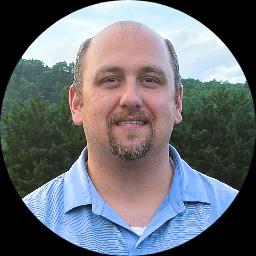
About Dustin
Dustin Roche is a Licensed Clinical Social Worker (LCSW) in North Carolina with four years of clinical experience. He works with people facing depression, anxiety, stress, trauma, addiction, and relationship difficulties. He also focuses on issues such as isolation, guilt, shame, panic, and post-traumatic stress.
Dustin uses a person-centered approach alongside evidence-based therapeutic techniques. Sessions emphasize practical skills and clear conversation. He aims to help clients recognize patterns like attachment concerns, codependency, and control issues. Work can include coping strategies for life transitions such as divorce, midlife change, and challenges common to young adults.
He supports people processing difficult experiences including sexual assault, abandonment, and other forms of trauma. Relationship-focused topics include infidelity, commitment worries, jealousy, and struggles with forgiveness. Substance concerns and relapse prevention are included under his focus on addiction and drug or alcohol problems.
Dustin adapts to different worldviews and will work respectfully with clients from faith-based or secular perspectives. Sessions tend to be straightforward and goal-oriented, with time spent on skills practice and talking through current problems. He encourages realistic next steps and clearer coping plans.
Clients can expect practical discussion of what to try between sessions and how to notice progress. The approach balances listening with measurable actions so people can test small changes in everyday life.
How evidence-based methods translate to online sessions
Dustin uses person-centered work alongside evidence-based therapeutic techniques. Person-centered work focuses on the client's perspective and priorities, with the therapist listening and helping the person decide next steps. Evidence-based techniques refer to specific strategies that target symptoms and patterns, such as grounding exercises for panic or structured approaches for managing negative thoughts.Two common strands you may encounter are skill-based strategies for anxiety and trauma-focused coping. Skill-based strategies teach breathing, grounding, and behavioral experiments to reduce avoidance. Trauma-focused coping helps people process distressing memories and develop ways to manage strong reactions in daily life. These approaches are practical and aimed at making everyday situations feel more manageable.
Finding the right mix of methods is part of the work. Dustin will collaborate with each person to choose techniques that fit their needs, goals, and preferences. That can mean trying different strategies and adjusting them over time to see what helps most.
Session formats are not listed in the biography, so confirm current online options before booking. Online sessions can make it easier to fit therapy into a busy day, reduce travel time, and allow shorter check-ins when needed. They also let people continue care during life transitions while focusing on real-world practice between meetings.
Areas of expertise
Primary focus
Additional focus areas
Experience
4+ years
Listed in
North Carolina
Languages
English
Frequently asked questions
What kinds of concerns does he address?
Dustin works with depression, anxiety, stress, trauma, addiction, and relationship difficulties, including isolation, guilt, shame, panic, and post-traumatic stress.
What is his therapeutic style like?
He uses a person-centered approach paired with evidence-based techniques, focusing on clear conversation and practical skills you can use between sessions.
How much experience does he have?
He has four years of experience as a Licensed Clinical Social Worker (LCSW) working with a range of mood, trauma, and addiction concerns.
Where is he licensed to practice?
He holds an NC LCSW and practices in North Carolina.
What languages does he offer sessions in?
Sessions are offered in English.
Can people from other countries work with him?
He is not currently accepting international clients.
How are sessions scheduled and billed?
Cost varies with location and sessions use a subscription that can be canceled at any time.
How do I begin a first session?
Choose the See online therapy options button, complete a short matching questionnaire, and schedule a first session.