- Attachment based
- Client centered
- Cognitive behavioral
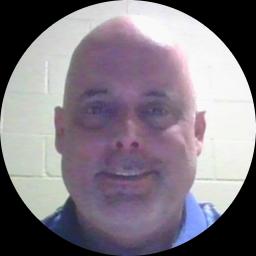
About James
James Dion is a Licensed Clinical Mental Health Counselor (LCMHC) practicing in North Carolina with five years of professional experience. He helps people who are dealing with stress, anxiety, addiction, family conflict, trauma and abuse, and related concerns. James aims to make it easier to talk about difficult feelings and problems without judgment.
He uses straightforward conversations to identify what feels most urgent to each person. Sessions focus on clear goals and small steps people can try between meetings. James draws on client-centered methods to keep the work practical and focused on each person’s priorities.
His background includes approaches that pay attention to relationships and patterns that shape feelings. Attachment-based ideas help look at how past connections influence current struggles. Cognitive behavioral techniques are used to spot unhelpful thinking and test new behaviors.
James also uses emotion-focused methods to bring attention to strong feelings and help people express them in ways that change interactions. Existential ideas come in when people want to examine meaning, responsibility, or life transitions.
He is open to discussing scheduling needs and may connect outside usual hours when arrangements are made. Sessions aim to be direct, practical, and focused on what the person wants to change. Before booking, people can confirm current session options and scheduling details.
How James applies his approaches in online sessions
James often blends attachment-based work with cognitive behavioral tools. Attachment-based work looks at how early and ongoing relationships shape expectations and reactions in current relationships; it can help people understand patterns that feed anxiety or conflict. Cognitive behavioral work focuses on identifying unhelpful thoughts and testing new behaviors to reduce distress and improve daily functioning.He treats therapy as a collaboration. The therapist and client review goals and try approaches together to see what fits best. If an approach does not feel helpful, they adjust the plan and try other techniques based on the person’s needs and preferences.
The biography does not list which online session formats are used, so confirm current options before booking. Many people find online sessions make it easier to fit meetings into a busy week, allow shorter check-ins when needed, and reduce travel time. Online work can support exercises between sessions, such as behavior experiments or practicing communication skills in real life, while keeping the focus on clear, manageable steps.
Areas of expertise
Primary focus
Also works with
Additional focus areas
Therapeutic approaches
Experience
5+ years
Listed in
North Carolina
Languages
English
Frequently asked questions
What concerns does James work with?
He works with stress, anxiety, addiction, family conflict, trauma and abuse, and many related issues such as grief, anger, and parenting stress.
What is his therapeutic style?
He uses direct, conversational sessions focused on goals and small steps. Methods include client-centered conversations and practical exercises.
How much experience does he have?
He has five years of professional work experience as an LCMHC in North Carolina.
What credential does he hold and where is he based?
He is an NC LCMHC and practices in North Carolina.
Can I work with him if I live outside the United States?
Sessions are offered to international clients; confirm scheduling and time zone details when arranging sessions.
What session formats are available?
The biography does not list specific session formats. Please confirm current session options before booking.
How are fees handled?
Cost varies with location and sessions use a subscription that can be canceled at any time.
How do I begin scheduling a session?
Select the See online therapy options button, complete the short matching questionnaire, and then schedule a first session.