
Mark Mazzoni
LPCGeorgia · 20 yrs exp
Licensed Professional Counselor - Anxiety and Addictions
Stress, Anxiety · Addictions · Anger · Bipolar · +10 more
Read profileTherapist listings are provided by BetterHelp. We will earn a commission at no additional cost to you if you use our links to purchase.
Welcome to FeelingAtEase.org's directory for online therapy in Georgia. All therapists listed here are licensed to practice in Georgia. Explore profiles to compare approaches, focus areas, credentials, languages and experience before you reach out.
Georgia · 20 yrs exp
Licensed Professional Counselor - Anxiety and Addictions
Stress, Anxiety · Addictions · Anger · Bipolar · +10 more
Read profile
Georgia · 25 yrs exp
LISW social worker - anxiety and relationships
Stress, Anxiety · Parenting · Anger · Self esteem · +15 more
Read profile
Georgia · 12 yrs exp
LPC counselor - Anxiety and mood concerns
Stress, Anxiety · Addictions · Trauma and abuse · Anger · +1 more
Read profile
Georgia · 7 yrs exp
LMFT - Anxiety and Relationships
Stress, Anxiety · Relationship · Intimacy-related issues · Anger · +11 more
Read profile
Georgia · 14 yrs exp
Licensed Professional Counselor - Anxiety and Relationships
Stress, Anxiety · Relationship · Trauma and abuse · Anger · +9 more
Read profile
Georgia · 15 yrs exp
LCSW - Anxiety and Trauma focus
Stress, Anxiety · Trauma and abuse · Grief · Self esteem · +1 more
Read profile
Georgia · 9 yrs exp
LPC in Georgia - Anxiety and Life Changes
Stress, Anxiety · Addictions · Trauma and abuse · Grief · +15 more
Read profile
Georgia · 20 yrs exp
LMFT - Anxiety and Relationship concerns
Stress, Anxiety · Relationship · Career · Depression · +13 more
Read profile
Georgia · 36 yrs exp
Licensed Clinical Social Worker - Anxiety and Relationships
Stress, Anxiety · Addictions · Relationship · Family · +13 more
Read profile
Georgia · 10 yrs exp
Licensed Professional Counselor - Anxiety and Relationships
Relationship · Anger · Career · Compassion fatigue · +9 more
Read profile
Georgia · 14 yrs exp
Licensed Professional Counselor - Anxiety and Relationships
Stress, Anxiety · Relationship · Sleeping · Self esteem · +13 more
Read profile
Georgia · 8 yrs exp
Licensed Professional Counselor - Relationships and Trauma
LGBT · Relationship · Trauma and abuse · Self esteem · +14 more
Read profile
Georgia · 8 yrs exp
Licensed Counselor - Anxiety and Addictions
Stress, Anxiety · Addictions · Trauma and abuse · Grief · +4 more
Read profile
Georgia · 23 yrs exp
Licensed Professional Counselor - Anxiety and Communication
Stress, Anxiety · Grief · Anger · Self esteem · +1 more
Read profile
Georgia · 13 yrs exp
Licensed Professional Counselor - Anxiety and Relationships
Stress, Anxiety · Relationship · Family · Self esteem · +13 more
Read profile
Georgia · 4 yrs exp
Licensed Professional Counselor - Anxiety and relationships
Stress, Anxiety · Relationship · Trauma and abuse · Self esteem · +1 more
Read profile
Georgia · 13 yrs exp
Licensed Professional Counselor - Anxiety and life changes
Stress, Anxiety · Self esteem · Career · Depression · +1 more
Read profile
Georgia · 5 yrs exp
LCSW - Anxiety and stress support
Stress, Anxiety · Self esteem · Depression · Coping with life changes
Read profile
Georgia · 7 yrs exp
Licensed Professional Counselor - Anxiety and Addictions
Stress, Anxiety · Addictions · Relationship · Trauma and abuse · +1 more
Read profile
Georgia · 4 yrs exp
Licensed counselor - anxiety and life change
Stress, Anxiety · Family · Self esteem · Depression · +1 more
Read profile
Georgia · 5 yrs exp
Licensed Professional Counselor - Anxiety and Relationships
Stress, Anxiety · Relationship · Trauma and abuse · Self esteem · +1 more
Read profile
Georgia · 12 yrs exp
Patricia Kerigan M.S., LPC - Anxiety and Trauma
Stress, Anxiety · Trauma and abuse · Grief · Self esteem · +1 more
Read profile
Georgia · 5 yrs exp
LCSW - Anxiety and relationship concerns
Stress, Anxiety · Relationship · Family · Trauma and abuse · +1 more
Read profile
Georgia · 9 yrs exp
Licensed counselor - relationships and trauma
LGBT · Relationship · Trauma and abuse · Grief · +1 more
Read profile
Georgia · 7 yrs exp
LMFT - Anxiety and Relationship support
Stress, Anxiety · Relationship · Family · Self esteem · +1 more
Read profile
Georgia · 3 yrs exp
LPC in Georgia - Anxiety and Trauma
Stress, Anxiety · Trauma and abuse · Grief · Anger · +1 more
Read profile
Georgia · 5 yrs exp
Licensed Professional Counselor - Anxiety and Trauma
Stress, Anxiety · Trauma and abuse · Anger · Depression · +1 more
Read profile
Georgia · 15 yrs exp
LPC in Georgia - Anxiety and trauma care
Stress, Anxiety · Trauma and abuse · Anger · Self esteem · +1 more
Read profile
Georgia · 6 yrs exp
LPC counselor - Anxiety and relationships
Stress, Anxiety · Relationship · Family · Bipolar · +1 more
Read profile
Georgia · 5 yrs exp
LPC counselor - anxiety and relationships
Stress, Anxiety · Relationship · Self esteem · Depression · +1 more
Read profile
Georgia · 20 yrs exp
Licensed Professional Counselor - Anxiety and Relationships
Stress, Anxiety · Relationship · Trauma and abuse · Self esteem · +1 more
Read profile
Georgia · 20 yrs exp
Licensed Professional Counselor - Anxiety and Addiction
Stress, Anxiety · Addictions · Relationship · Self esteem · +12 more
Read profile
Georgia · 15 yrs exp
Licensed Clinical Social Worker - Anxiety and Trauma
Stress, Anxiety · Trauma and abuse · Grief · Self esteem · +16 more
Read profile
Georgia · 9 yrs exp
Licensed Professional Counselor - Anxiety and Life Change
Stress, Anxiety · Grief · Self esteem · Depression · +12 more
Read profile
Georgia · 8 yrs exp
LMFT - Anxiety and Relationship concerns
Stress, Anxiety · Relationship · Family · Parenting · +11 more
Read profile
Georgia · 11 yrs exp
Licensed Professional Counselor - Anxiety and Relationships
Stress, Anxiety · Relationship · Trauma and abuse · Anger · +10 more
Read profile
Georgia · 21 yrs exp
Licensed Professional Counselor - Anxiety and Relationships
Stress, Anxiety · Relationship · Family · Anger · +13 more
Read profile
Georgia · 15 yrs exp
Licensed Professional Counselor - Anxiety and Relationships
Stress, Anxiety · Relationship · Trauma and abuse · Coping with life changes · +9 more
Read profile
Georgia · 23 yrs exp
LCSW - Anxiety and Trauma focused
Stress, Anxiety · LGBT · Trauma and abuse · Grief · +11 more
Read profile
Georgia · 21 yrs exp
LCSW counselor - trauma and anxiety care
Stress, Anxiety · Trauma and abuse · Grief · Parenting · +16 more
Read profile
Georgia · 18 yrs exp
Licensed Professional Counselor - Anxiety and Relationships
Stress, Anxiety · Relationship · Family · Trauma and abuse · +10 more
Read profile
Georgia · 20 yrs exp
Licensed Professional Counselor - Anxiety and Relationships
Stress, Anxiety · Relationship · Family · Parenting · +10 more
Read profile
Georgia · 7 yrs exp
Licensed Professional Counselor - Anxiety and Trauma
Stress, Anxiety · Anger · Career · Bipolar · +14 more
Read profile
Georgia · 25 yrs exp
LCSW - Anxiety and life transitions
Stress, Anxiety · Trauma and abuse · Self esteem · Coaching · +13 more
Read profile
Georgia · 19 yrs exp
LPC - Anxiety and Stress-focused
Stress, Anxiety · Addictions · Trauma and abuse · Self esteem · +11 more
Read profile
Georgia · 18 yrs exp
Licensed Professional Counselor - Anxiety and Relationships
Stress, Anxiety · Relationship · Family · Self esteem · +7 more
Read profile
Georgia · 25 yrs exp
Dr. Corlissa Wilson, LPC - Anxiety and Relationship work
Stress, Anxiety · Relationship · Trauma and abuse · Grief · +10 more
Read profile
Georgia · 22 yrs exp
LPC - Anxiety and Relationship concerns
Stress, Anxiety · Addictions · Trauma and abuse · Parenting · +11 more
Read profile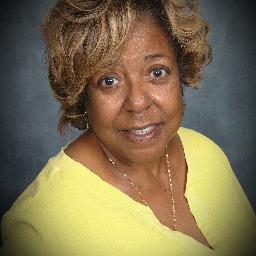
Georgia · 17 yrs exp
Licensed Professional Counselor - anxiety and relationships
Relationship · Family · Trauma and abuse · Career · +13 more
Read profile
Georgia · 6 yrs exp
Licensed Professional Counselor - Anxiety and Trauma
Stress, Anxiety · Relationship · Trauma and abuse · Self esteem · +8 more
Read profile
Georgia · 8 yrs exp
Licensed Professional Counselor - Anxiety and Relationships
Stress, Anxiety · Relationship · Eating · Self esteem · +15 more
Read profile
Georgia · 18 yrs exp
Licensed Professional Counselor - Anxiety and Relationships
Stress, Anxiety · Self esteem · Bipolar · Depression · +13 more
Read profile
Georgia · 21 yrs exp
Licensed Professional Counselor - Anxiety and Career
Stress, Anxiety · Self esteem · Career · Coping with life changes · +10 more
Read profile
Georgia · 20 yrs exp
Licensed counselor - anxiety and relationships
Stress, Anxiety · Relationship · Family · Self esteem · +13 more
Read profile
Georgia · 9 yrs exp
Licensed Professional Counselor - Anxiety and Life Changes
Stress, Anxiety · Self esteem · Coping with life changes · Relationship · +6 more
Read profile
Georgia · 25 yrs exp
Licensed counselor - anxiety and relationships
Stress, Anxiety · Relationship · Grief · Intimacy-related issues · +11 more
Read profile
Georgia · 11 yrs exp
Licensed Professional Counselor - Anxiety and Stress
Stress, Anxiety · Relationship · Family · Trauma and abuse · +12 more
Read profile
Georgia · 8 yrs exp
Licensed Clinical Social Worker - Anxiety and Relationships
Stress, Anxiety · Trauma and abuse · Anger · Self esteem · +8 more
Read profile
Georgia · 11 yrs exp
Licensed Professional Counselor - Anxiety and Relationship support
Stress, Anxiety · Addictions · Family · Grief · +10 more
Read profile
Georgia · 30 yrs exp
Licensed Professional Counselor - Anxiety and Mood
Stress, Anxiety · Trauma and abuse · Self esteem · Bipolar · +3 more
Read profileIf you live in Georgia and are thinking about online therapy, you are part of a large group of people who use video and phone sessions to meet with mental health professionals. Over the past several years the practice of delivering therapy at a distance has become a routine option for many clinicians and clients. State rules generally say that a clinician must hold an appropriate Georgia license to provide therapy to someone located in Georgia, so many of the profiles you see in the directory list clinicians who are licensed to practice in this state. Regulations and administrative processes change from time to time, so you may see a range of ways therapists describe their services - for example, some therapists list video sessions, some list phone sessions, and some note distinctions in the populations they serve or the communication methods they prefer.
Online therapy in Georgia covers a variety of license types and credentials, including therapists who are licensed as counselors, clinical social workers, marriage and family therapists, and psychologists. Because licensing is a state-level responsibility, clinicians often indicate their license type prominently on their profile so you can verify their credentials. Many therapists also list the clinical approaches they use and the issues they focus on. That information helps you narrow your search to professionals whose stated approach and focus align with the support you are seeking.
When you choose online therapy, convenience is often the first benefit you will notice. You can connect with a therapist from your home, your car before or after errands, or another location that works for you. That convenience can be particularly helpful if you live in a rural area of Georgia where in-person specialty services may be limited, or if your schedule makes it hard to travel during typical office hours. Online sessions can reduce commute time and make it easier to maintain continuity of care when life gets busy or you move within the state.
Another advantage is access to a wider range of clinicians. If you want someone who shares your language, cultural background, or experience with a particular issue, online therapy increases the likelihood of finding an appropriate match. Some people find it easier to open up in a familiar environment, while others appreciate the flexibility of choosing between video or phone sessions depending on the day and circumstances. Technology requirements are usually modest: a device with a camera and microphone and a reliable internet connection are sufficient for most video sessions. If technology is a concern for you, many profiles note whether a therapist offers phone-only sessions as an alternative.
Online therapists in Georgia commonly work with a broad range of concerns. You will find professionals who list experience helping with anxiety, depression, relationship challenges, parenting and family stress, grief and loss, life transitions such as career changes and relocation, and stress related to work or school. Therapists often work with people who are coping with chronic illness, caregiving responsibilities, or the ripple effects of trauma. Many clinicians also indicate they support people dealing with identity-related stressors, cultural or racial concerns, and issues that arise from living in diverse communities across Georgia.
Profiles frequently include the therapeutic approaches a clinician uses to structure their work. For example, you may encounter therapists who list approaches such as cognitive-behavioral methods, psychodynamic perspectives, narrative approaches, or mindfulness-informed work. When you read a profile that mentions a particular method, remember that this indicates how the clinician describes their practice rather than a certification. For instance, you might see therapists who list EMDR among their approaches or therapists who list CBT among their approaches. Those notes give you a starting point for questions you can ask during an introductory conversation about how a clinician typically works with clients who bring the issues you care about.
Verifying licensure is a practical step you can take to confirm that a therapist is authorized to practice in Georgia. Start by noting the clinician's full name and the license type shown on their profile. Common license abbreviations include LPC for Licensed Professional Counselor, LCSW for Licensed Clinical Social Worker, LMFT for Licensed Marriage and Family Therapist, and PhD or PsyD for psychologists. With that information in hand, you can use the state licensing boards' online lookups to confirm a license number, active status, expiration date, and any public disciplinary history. The board that oversees counselors, social workers and marriage and family therapists is separate from the state psychology board, so the online lookup you use may depend on the license type you are checking.
If you see anything on a profile that you want clarified - for example, the scope of a clinician's practice or how to interpret listed credentials - you can contact the licensing board directly. Board offices can explain what a license allows a clinician to do and what actions are part of the public record. Many boards provide free, searchable tools that make it straightforward to confirm the basics, but if you prefer assistance you can call the board or check the state's official website for guidance on verifying credentials. Keeping a copy or screenshot of confirmation results can be helpful when you are comparing multiple profiles.
Getting started with online therapy is a step-by-step process that begins with clarifying what you want to achieve. Think about whether you are seeking short-term help with a specific issue, support for ongoing mental health needs, couples or family work, or assistance in navigating a life transition. Use those goals to filter clinician profiles by focus areas and the types of clients they describe. Profiles often include information about the languages clinicians speak, populations they work with, and the typical lifespan stage or life circumstances they address, which can help you find a closer match.
As you review profiles, pay attention to the details that matter to you. Note the clinician's stated approaches and whether they align with the kind of therapeutic style you believe will be helpful. Look for information about experience with the issues you want to address and any demographic or cultural competencies that are important to you. If payment, insurance, or session length are priorities, check whether those topics are mentioned. When a profile prompts questions, prepare a short list to ask during an initial conversation. Useful questions focus on how the clinician typically structures sessions, what a few early goals might look like, how they handle crises or referrals, and what to expect in terms of session frequency and duration.
Practical considerations will affect your experience as well. Choose a quiet, private space where you will not be interrupted, and test your device and internet connection before your first session. If you have concerns about technology, ask whether a phone session is an option. Clarify payment methods and cancellation policies in advance so you know how administrative details will be handled. Trust and rapport matter. It is reasonable to try an initial session and then reflect on whether the clinician's communication style and therapeutic approach feel like a good fit for you. If you decide to continue, you can build on that relationship; if not, you can use what you learned to refine your search.
Finally, pay attention to how a clinician communicates about cultural sensitivity and inclusivity. Many therapists in Georgia note an interest or experience working with diverse communities. If representation, language, or cultural understanding is important to you, look for profiles that speak directly to those areas and consider asking about the clinician's experience with your specific concerns. Finding the right match takes time, and using the directory to focus your search on clinicians who list relevant approaches, focus areas, credentials and languages can make that process more efficient.
Online therapy can be an effective way to get support for many concerns, but if you are experiencing an emergency or immediate risk of harm, contact local emergency services or a crisis line right away. For non-emergent needs, use the directory to read profiles, confirm licensure, and prepare a brief set of questions so you can make an informed choice about who to contact for an initial conversation.
Choosing an online therapist in Georgia is a personal process. By combining practical verification steps with thoughtful reflection on what you want from therapy, you can find a clinician whose described approaches, focus areas and background align with your goals. Use the profiles on FeelingAtEase.org to gather that information, and take your time to identify a professional who feels right for you.
Addictions
3582 therapists
ADHD
3239 therapists
Anger
4267 therapists
Control Issues
4767 therapists
Depression
7564 therapists
Grief
5161 therapists
Guilt and Shame
6939 therapists
Impulsivity
4011 therapists
Intimacy Issues
3055 therapists
Isolation / Loneliness
6820 therapists
Mood Disorders
5166 therapists
OCD
2747 therapists
Panic Disorder and Panic Attacks
5467 therapists
Phobias
2030 therapists
Post-Traumatic Stress
5802 therapists
Seasonal Affective Disorder (SAD)
3067 therapists
Self Esteem
7033 therapists
Sleeping Disorders
1934 therapists
Stress & Anxiety
8486 therapists
Trauma and Abuse
6184 therapists
Abandonment
4538 therapists
Attachment Issues
5048 therapists
Body Image
3622 therapists
Career
3523 therapists
Commitment Issues
3141 therapists
Communication Problems
7250 therapists
Coping with Life Changes
6115 therapists
Family
4901 therapists
Family of Origin Issues
2843 therapists
Forgiveness
6076 therapists
Infidelity
2925 therapists
Jealousy
2975 therapists
Life Purpose
6783 therapists
Money and Financial Issues
2677 therapists
Relationship
6198 therapists
Self-Love
6892 therapists
Sexuality
2685 therapists
Workplace Issues
4918 therapists