
Lee Watts
LICSW, LCSWFlorida · 23 yrs exp
LICSW LCSW - LGBT and intimacy areas
LGBT · Intimacy-related issues
Read profileTherapist listings are provided by BetterHelp. We will earn a commission at no additional cost to you if you use our links to purchase.
Welcome to FeelingAtEase.org's directory of online therapists serving Florida. All therapists listed are licensed to practice in Florida - explore profiles to compare approaches, credentials, languages and experience.
Florida · 23 yrs exp
LICSW LCSW - LGBT and intimacy areas
LGBT · Intimacy-related issues
Read profile
Florida · 25 yrs exp
Licensed Mental Health Counselor - Relationships and Trauma
Relationship · Trauma and abuse · Grief · Anger · +12 more
Read profile
Florida · 7 yrs exp
Licensed counselor - Addiction and trauma focus
Addictions · Relationship · Family · Trauma and abuse · +13 more
Read profile
Florida · 12 yrs exp
Florida LMHC - Anxiety and Relationships
Stress, Anxiety · Relationship · Intimacy-related issues · Depression · +8 more
Read profile
Florida · 30 yrs exp
FL Psychologist - Anxiety and Stress
Stress, Anxiety · Grief · Anger · Depression · +15 more
Read profile
Florida · 20 yrs exp
LMHC in Florida - Anxiety and life changes
Stress, Anxiety · Grief · Self esteem · Depression · +9 more
Read profile
Florida · 13 yrs exp
Florida LMHC - Anxiety and Relationships
Stress, Anxiety · Relationship · Intimacy-related issues · Depression · +15 more
Read profile
Florida · 25 yrs exp
LMHC in Florida - Anxiety and Relationship work
Stress, Anxiety · Relationship · Trauma and abuse · Self esteem · +2 more
Read profile
Florida · 20 yrs exp
Licensed Clinical Social Worker - Anxiety and Trauma
Stress, Anxiety · Trauma and abuse · Grief · Career · +15 more
Read profile
Florida · 19 yrs exp
Licensed Clinical Social Worker - Anxiety and Mood Concerns
Stress, Anxiety · Trauma and abuse · Grief · Depression · +9 more
Read profile
Florida · 3 yrs exp
LCSW - Anxiety and Relationship support
Stress, Anxiety · Relationship · Trauma and abuse · Parenting · +11 more
Read profile
Florida · 16 yrs exp
Licensed clinical social worker - Anxiety and life changes
Stress, Anxiety · Trauma and abuse · Grief · Self esteem · +10 more
Read profile
Florida · 9 yrs exp
LMHC - Anxiety and life transitions
Relationship · Anger · Self esteem · Career · +10 more
Read profile
Florida · 10 yrs exp
LMHC - Anxiety and Relationship Concerns
Stress, Anxiety · Addictions · Relationship · Anger · +7 more
Read profile
Florida · 10 yrs exp
Licensed Mental Health Counselor - Anxiety and Stress
Stress, Anxiety · Addictions · Anger · Bipolar · +11 more
Read profile
Florida · 30 yrs exp
Licensed Clinical Social Worker - Anxiety and Relationships
Stress, Anxiety · Trauma and abuse · Self esteem · Depression · +11 more
Read profile
Florida · 25 yrs exp
Florida LMHC - Anxiety and Relationships
Stress, Anxiety · Relationship · Family · Self esteem · +13 more
Read profile
Florida · 31 yrs exp
LCSW - Anxiety and family concerns
Stress, Anxiety · LGBT · Family · Depression · +1 more
Read profile
Florida · 11 yrs exp
Licensed Mental Health Counselor - Anxiety and Relationships
Stress, Anxiety · Family · Trauma and abuse · Self esteem · +13 more
Read profile
Florida · 13 yrs exp
LMHC in Florida - anxiety and life changes
Stress, Anxiety · Self esteem · Career · Coping with life changes · +9 more
Read profile
Florida · 25 yrs exp
LCSW - Anxiety and Trauma focus
Stress, Anxiety · LGBT · Trauma and abuse · Grief · +2 more
Read profile
Florida · 30 yrs exp
FL LMHC - Anxiety and Relationship concerns
Stress, Anxiety · Relationship · Family · Self esteem · +15 more
Read profile
Florida · 7 yrs exp
LCSW - Anxiety and relationship support
Stress, Anxiety · Relationship · Trauma and abuse · Self esteem · +1 more
Read profile
Florida · 24 yrs exp
LMHC in Florida - Anxiety and Addiction focus
Stress, Anxiety · Grief · Depression · Coping with life changes · +13 more
Read profile
Florida · 30 yrs exp
Licensed counselor and marriage therapist - Anxiety and relationships
Stress, Anxiety · Addictions · Trauma and abuse · Grief · +14 more
Read profile
Florida · 16 yrs exp
LCSW - Anxiety and relationship concerns
Stress, Anxiety · Relationship · Anger · Depression · +1 more
Read profile
Florida · 15 yrs exp
Dr. Jeanne Assinthe - LCSW, anxiety and trauma-focused
Stress, Anxiety · Relationship · Family · Trauma and abuse · +8 more
Read profile
Florida · 20 yrs exp
LCSW - Anxiety and life transitions
Stress, Anxiety · Trauma and abuse · Anger · Self esteem · +11 more
Read profile
Florida · 38 yrs exp
LMHC in Florida - Anxiety and Relationships
Stress, Anxiety · Relationship · Self esteem · Depression · +12 more
Read profile
Florida · 35 yrs exp
FL Psychologist - Relationships and Anxiety
Relationship · Trauma and abuse · Grief · Parenting · +13 more
Read profile
Florida · 29 yrs exp
Licensed Mental Health Counselor - Grief and Anxiety
Grief · Self esteem · Career · Coping with life changes · +6 more
Read profile
Florida · 32 yrs exp
LCSW - Anxiety and relationship concerns
Stress, Anxiety · Relationship · Family · Self esteem · +11 more
Read profile
Florida · 7 yrs exp
LCSW - anxiety and relationship concerns
Stress, Anxiety · Relationship · Family · Grief · +1 more
Read profile
Florida · 25 yrs exp
Dr. Douglas Rodriguez, LMHC - Anxiety and Addictions
Stress, Anxiety · Addictions · Relationship · Depression · +1 more
Read profile
Florida · 20 yrs exp
Florida LMHC - Anxiety and Addictions
Stress, Anxiety · Addictions · Trauma and abuse · Grief · +2 more
Read profile
Florida · 13 yrs exp
LMHC in Florida - Anxiety and Relationships
Stress, Anxiety · Relationship · Self esteem · Depression · +1 more
Read profile
Florida · 19 yrs exp
Licensed counselor - Anxiety and trauma
Stress, Anxiety · LGBT · Family · Trauma and abuse · +2 more
Read profile
Florida · 17 yrs exp
LCSW - Anxiety and Relationship Concerns
Addictions · LGBT · Relationship · Family · +5 more
Read profile
Florida · 18 yrs exp
LCSW - Anxiety and Addictions
Stress, Anxiety · Addictions · Relationship · Trauma and abuse · +3 more
Read profile
Florida · 5 yrs exp
LCSW - Anxiety and relationship concerns
Stress, Anxiety · Relationship · Trauma and abuse · Anger · +11 more
Read profile
Florida · 11 yrs exp
LMHC - Anxiety, Trauma and Addictions
Addictions · LGBT · Trauma and abuse · Grief · +12 more
Read profile
Florida · 12 yrs exp
LMHC - Anxiety and relationship concerns
Stress, Anxiety · Relationship · Parenting · Self esteem · +5 more
Read profile
Florida · 27 yrs exp
Licensed mental health counselor - anxiety and relationships
Addictions · Relationship · Trauma and abuse · Intimacy-related issues · +16 more
Read profile
Florida · 5 yrs exp
LCSW - Anxiety and Mood support
Stress, Anxiety · LGBT · Depression · Compassion fatigue
Read profile
Florida · 6 yrs exp
LMHC - Anxiety and trauma support
Stress, Anxiety · Trauma and abuse · Grief · Self esteem · +12 more
Read profile
Florida · 10 yrs exp
LMHC in Florida - Anxiety and mood concerns
Stress, Anxiety · Anger · Self esteem · Depression · +2 more
Read profile
Florida · 15 yrs exp
LCSW - anxiety and stress care
Stress, Anxiety · Depression · ADHD · Trauma and abuse · +1 more
Read profile
Florida · 5 yrs exp
Florida LMHC - Anxiety and Addiction focus
Stress, Anxiety · Addictions · Family · Trauma and abuse · +14 more
Read profile
Florida · 40 yrs exp
LCSW - Anxiety and Mood Concerns
Stress, Anxiety · LGBT · Trauma and abuse · Bipolar · +1 more
Read profile
Florida · 16 yrs exp
Florida LMHC - Anxiety and Social Phobia
Stress, Anxiety · LGBT · Relationship · Self esteem · +12 more
Read profile
Florida · 20 yrs exp
Florida LMHC - Anxiety and relationships
Stress, Anxiety · Relationship · Self esteem · Depression · +16 more
Read profile
Florida · 45 yrs exp
LMHC - Anxiety and relationship concerns
Stress, Anxiety · Addictions · Relationship · Family · +6 more
Read profile
Florida · 14 yrs exp
LMHC and LPC - Anxiety and Trauma
Stress, Anxiety · Trauma and abuse · Grief · Self esteem · +1 more
Read profile
Florida · 31 yrs exp
LCSW - relationships and trauma
Relationship · Trauma and abuse · Grief · Parenting · +1 more
Read profile
Florida · 23 yrs exp
LMHC - Addictions and Life Changes
Addictions · Self esteem · Depression · Coping with life changes
Read profile
Florida · 6 yrs exp
Florida LCSW - Anxiety and life changes
Stress, Anxiety · Grief · Career · Depression · +1 more
Read profile
Florida · 5 yrs exp
LMHC - Anxiety and Trauma support
Stress, Anxiety · Trauma and abuse · Grief · Anger · +1 more
Read profile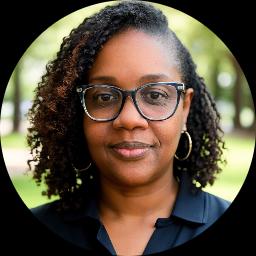
Florida · 15 yrs exp
LMHC - relationships and anxiety
Addictions · Relationship · Intimacy-related issues · Anger · +12 more
Read profile
Florida · 22 yrs exp
Florida LCSW - Anxiety and Addictions
Stress, Anxiety · Addictions · Self esteem · Depression
Read profile
Florida · 8 yrs exp
Licensed Mental Health Counselor - Anxiety and stress
Stress, Anxiety · Grief · Self esteem · Depression · +7 more
Read profileOnline therapy has become a common way for people across Florida to receive counseling and mental health support. In recent years technology, licensing updates and consumer demand have contributed to more clinicians offering remote sessions. You will find practitioners who work with adults, teens and families, and who provide services in English and a variety of other languages. Many clinicians list familiar approaches such as cognitive-behavioral therapy, psychodynamic therapy and mindfulness-based approaches among their methods, while others list modalities like EMDR among their approaches for trauma-focused work. Licensing rules influence where and how therapists may provide services, so the options you see in this directory reflect practitioners who state they are licensed in Florida and who describe online services within the scope of their practice.
Because telehealth practices can differ from in-person care, you may notice variation in how therapists describe session structure, communication preferences and technical setup. Some therapists describe working with short-term problem-focused work, while others describe longer-term relational or developmental work. Language, cultural background and experience with particular life stages or identity concerns are commonly noted on profiles, helping you identify clinicians who emphasize areas that matter to you.
Online therapy can remove travel time and make it easier to fit counseling into a busy life. If you live in a rural county, have limited transportation or juggle work and family responsibilities, meeting with a therapist by video or phone can reduce scheduling friction and let you meet from a familiar location. You may find it easier to explore topics that feel difficult in a traditional office when you are in your own home or another comfortable environment, and you can choose a clinician who communicates in your preferred language even if they are in a different part of the state.
Another advantage is the ability to select a therapist based on approach and experience rather than proximity alone. If you prefer a therapist who lists cognitive-behavioral approaches, trauma-focused work or relational therapy, you can locate practitioners across Florida who describe those emphases. Many people also appreciate flexibility in session formats - for example shorter check-ins or longer sessions when needed - and the option to coordinate care with other professionals remotely. Keep in mind that how clinicians handle technology, records and privacy varies, so it's helpful to ask about those practices before beginning work.
Florida clinicians provide support for a wide range of concerns. You will find therapists who describe work with anxiety, depression and stress-related symptoms, while others describe specialization in grief, trauma, relationship challenges and parenting questions. Some profiles emphasize assistance with identity-related issues, multicultural or immigrant experiences, and life-stage transitions such as college, career change or retirement. Therapists who list approaches focused on trauma, mood management, couples therapy or family systems among their methods often describe working with the emotional and practical fallout of life events.
People also seek online therapy for behavioral health topics like substance use, stress management and coping with chronic medical conditions. If you have a specific concern, look for descriptions of experience that mention similar situations. Remember that a therapist’s profile is a place to learn about their focus, typical session format and the populations they mention. Many clinicians note whether they work with adolescents, adults, older adults or families, and whether they offer services in multiple languages or with attention to cultural context.
Verifying a therapist's license is a practical step you can take to confirm that a clinician is authorized to practice in Florida. Start by locating the clinician’s full name and, if provided, a license number on their profile. You can use the Florida state licensing search portal or the appropriate state board's license verification tool to look up that name and review the license type, current status and expiration date. The state record will also indicate any publicly reported disciplinary actions or restrictions, and it will identify the exact professional credential such as Licensed Mental Health Counselor, Licensed Clinical Social Worker, Marriage and Family Therapist, or a doctoral psychology credential.
If you find discrepancies or have questions about what appears in the public record, you can contact the state board directly for clarification. Keep documentation such as screenshots or email confirmations if you need to follow up. Verifying licensure is a simple step that gives you factual information about the clinician’s standing with the state and can help you make an informed choice before reaching out for an introductory conversation.
Begin by identifying the features that matter most to you: approach, language, age groups served or experience with particular life circumstances. Use profile pages to read descriptions of how clinicians work and which issues they emphasize. When you find a profile that fits your preferences, note practical details such as session length, whether the clinician lists a fee range, and what forms of payment they mention. If insurance matters to you, look for indications of insurance billing or ask about electronic billing procedures during initial outreach.
When you contact a therapist to learn more, ask clear questions about the format of sessions, what platform they use for video or phone sessions, and how they handle record-keeping and data practices. Make sure you have a reliable internet connection or phone access, a charged device with a camera and headphones if helpful, and a quiet private space where you can meet without interruptions. Discuss how the clinician handles scheduling and cancellations so you understand their policies. You should also ask about how they approach urgent situations and what local resources they recommend in case of crisis.
Selecting a therapist is a personal decision and it is reasonable to prioritize fit. Consider how a clinician describes their therapeutic approach and whether that style aligns with how you prefer to work. Some people seek therapists who list structured, goal-focused approaches while others prefer clinicians who emphasize exploratory or relational work. Credentials can indicate training pathways and professional standards, so note whether a clinician lists licensure types relevant to your needs such as mental health counselor, clinical social worker or psychologist. Language and cultural familiarity also matter; some therapists list bilingual services or experience with specific communities, which can influence rapport and understanding.
Ask questions during an initial conversation that help you gauge compatibility: how they typically structure sessions, what outcomes they aim for with clients who have concerns similar to yours, and how they incorporate your feedback into treatment. Discuss logistics such as session length, fees and accepted payment methods so there are no surprises. If you use insurance, talk about billing practices and whether sessions are submitted to your plan. Finally, trust your sense of comfort. You should feel heard and respected when you explain your concerns, and a productive working relationship usually begins with a clear mutual understanding of goals and expectations.
Online therapy in Florida offers many paths to support, and taking a thoughtful approach to verification, preparation and selection can help you connect with a clinician who fits your needs. Use profiles to learn about approaches and experience, verify licensure through the state board, prepare your technology and setting for sessions, and ask direct questions that clarify how a therapist works. These steps can make starting online therapy clearer and more manageable as you take the next steps toward care.
Addictions
3582 therapists
ADHD
3239 therapists
Anger
4267 therapists
Control Issues
4767 therapists
Depression
7564 therapists
Grief
5161 therapists
Guilt and Shame
6939 therapists
Impulsivity
4011 therapists
Intimacy Issues
3055 therapists
Isolation / Loneliness
6820 therapists
Mood Disorders
5166 therapists
OCD
2747 therapists
Panic Disorder and Panic Attacks
5467 therapists
Phobias
2030 therapists
Post-Traumatic Stress
5802 therapists
Seasonal Affective Disorder (SAD)
3067 therapists
Self Esteem
7033 therapists
Sleeping Disorders
1934 therapists
Stress & Anxiety
8486 therapists
Trauma and Abuse
6184 therapists
Abandonment
4538 therapists
Attachment Issues
5048 therapists
Body Image
3622 therapists
Career
3523 therapists
Commitment Issues
3141 therapists
Communication Problems
7250 therapists
Coping with Life Changes
6115 therapists
Family
4901 therapists
Family of Origin Issues
2843 therapists
Forgiveness
6076 therapists
Infidelity
2925 therapists
Jealousy
2975 therapists
Life Purpose
6783 therapists
Money and Financial Issues
2677 therapists
Relationship
6198 therapists
Self-Love
6892 therapists
Sexuality
2685 therapists
Workplace Issues
4918 therapists