
Donna Camerota
LCSWConnecticut · 24 yrs exp
LCSW - Anxiety and life transitions
Stress, Anxiety · Relationship · Grief · Self esteem · +11 more
Read profileTherapist listings are provided by BetterHelp. We will earn a commission at no additional cost to you if you use our links to purchase.
Welcome to FeelingAtEase.org’s Connecticut directory for online therapists. All therapists listed on this page are licensed in Connecticut and include information on their approaches, languages, and focus areas.
Explore the profiles below to learn more about each therapist and find options that align with what you want from therapy.
Connecticut · 24 yrs exp
LCSW - Anxiety and life transitions
Stress, Anxiety · Relationship · Grief · Self esteem · +11 more
Read profile
Connecticut · 24 yrs exp
LCSW - Anxiety and mood concerns
Stress, Anxiety · Addictions · Family · Bipolar · +10 more
Read profile
Connecticut · 7 yrs exp
Licensed LPC - Anxiety and Addictions
Stress, Anxiety · Addictions · Parenting · Depression · +1 more
Read profile
Connecticut · 25 yrs exp
LPC counselor - anxiety and relationship concerns
Stress, Anxiety · Relationship · Self esteem · Depression · +1 more
Read profile
Connecticut · 15 yrs exp
LMFT - Anxiety and relationship support
Stress, Anxiety · Relationship · Family · Depression · +1 more
Read profile
Connecticut · 7 yrs exp
LPC counselor - anxiety and relationships
Stress, Anxiety · Relationship · Trauma and abuse · Grief · +1 more
Read profile
Connecticut · 16 yrs exp
Licensed Professional Counselor - Anxiety and Stress
Stress, Anxiety · Anger · Self esteem · Depression · +1 more
Read profile
Connecticut · 40 yrs exp
LPC in Connecticut - Anxiety and Trauma
Stress, Anxiety · Trauma and abuse · Intimacy-related issues · Self esteem · +1 more
Read profile
Connecticut · 9 yrs exp
LPC counselor - anxiety and life changes
Stress, Anxiety · Anger · Self esteem · Depression · +1 more
Read profile
Connecticut · 9 yrs exp
Licensed Professional Counselor - Anxiety and Relationships
Stress, Anxiety · Relationship · Grief · Self esteem · +1 more
Read profile
Connecticut · 5 yrs exp
Licensed Professional Counselor - Anxiety and Relationship concerns
Stress, Anxiety · Relationship · Self esteem · Depression · +13 more
Read profile
Connecticut · 9 yrs exp
Licensed Clinical Social Worker - Anxiety and Parenting
Stress, Anxiety · Family · Parenting · Anger · +1 more
Read profile
Connecticut · 11 yrs exp
Licensed counselor - Anxiety and life changes
Stress, Anxiety · Parenting · Self esteem · Depression · +16 more
Read profile
Connecticut · 3 yrs exp
LCSW - Anxiety and Relationship Concerns
Stress, Anxiety · LGBT · Trauma and abuse · Grief · +12 more
Read profile
Connecticut · 10 yrs exp
Licensed Professional Counselor - Anxiety and Relationships
Stress, Anxiety · Relationship · Family · Self esteem · +7 more
Read profile
Connecticut · 10 yrs exp
Licensed Professional Counselor - Anxiety and trauma focus
Stress, Anxiety · Addictions · Trauma and abuse · Eating · +14 more
Read profile
Connecticut · 8 yrs exp
LCSW - Anxiety and Relationship concerns
Stress, Anxiety · Relationship · Family · Parenting · +10 more
Read profile
Connecticut · 5 yrs exp
LPC in Connecticut - Anxiety and Relationship concerns
Stress, Anxiety · Trauma and abuse · Grief · Bipolar · +9 more
Read profile
Connecticut · 10 yrs exp
Licensed Clinical Social Worker - Anxiety and Relationships
Stress, Anxiety · Family · Trauma and abuse · Grief · +12 more
Read profile
Connecticut · 35 yrs exp
LCSW - Anxiety and mood concerns
Stress, Anxiety · Relationship · Bipolar · Depression · +1 more
Read profile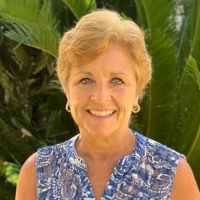
Connecticut · 38 yrs exp
LCSW - Anxiety and trauma focus
Stress, Anxiety · Trauma and abuse · Parenting · Coping with life changes · +12 more
Read profile
Connecticut · 31 yrs exp
LCSW - Stress and relationship concerns
Stress, Anxiety · Relationship · Trauma and abuse · Depression · +14 more
Read profile
Connecticut · 18 yrs exp
CT Psychologist - Anxiety and Addiction
Stress, Anxiety · Addictions · Trauma and abuse · Depression · +1 more
Read profile
Connecticut · 9 yrs exp
Licensed Professional Counselor - Anxiety and Relationships
Relationship · Trauma and abuse · Grief · Depression · +11 more
Read profile
Connecticut · 22 yrs exp
LMFT - Anxiety and Relationship support
Stress, Anxiety · LGBT · Relationship · Family · +12 more
Read profile
Connecticut · 33 yrs exp
LMFT - Anxiety and Addictions
Stress, Anxiety · Addictions · Relationship · Anger · +13 more
Read profile
Connecticut · 30 yrs exp
LCSW - Addictions and Anxiety
Addictions · Anger · Stress, Anxiety · Relationship · +12 more
Read profile
Connecticut · 10 yrs exp
LCSW - Anxiety and Social Phobia
Stress, Anxiety · Trauma and abuse · Parenting · Self esteem · +8 more
Read profile
Connecticut · 6 yrs exp
LCSW - Anxiety and life stress support
Stress, Anxiety · Trauma and abuse · Parenting · Self esteem · +14 more
Read profile
Connecticut · 25 yrs exp
Licensed Professional Counselor - Anxiety and Stress
Stress, Anxiety · Addictions · Relationship · Grief · +1 more
Read profile
Connecticut · 13 yrs exp
LCSW - Anxiety and relationship concerns
Stress, Anxiety · Relationship · Trauma and abuse · Anger · +8 more
Read profile
Connecticut · 30 yrs exp
LCSW - Anxiety and Mood Support
Stress, Anxiety · Anger · Self esteem · Depression · +7 more
Read profile
Connecticut · 10 yrs exp
LCSW - Anxiety and family concerns
Stress, Anxiety · Family · Parenting · Self esteem · +10 more
Read profile
Connecticut · 22 yrs exp
LICSW LCSW - Anxiety and Relationship Concerns
Stress, Anxiety · Family · Trauma and abuse · Depression · +14 more
Read profile
Connecticut · 17 yrs exp
Licensed Clinical Social Worker - anxiety and life changes
Stress, Anxiety · Grief · Parenting · Depression · +8 more
Read profile
Connecticut · 6 yrs exp
Dr. Sursatie Chetram - LPC, Anxiety and Trauma
Stress, Anxiety · Addictions · Trauma and abuse · Anger · +10 more
Read profile
Connecticut · 10 yrs exp
Licensed clinical social worker - Anxiety and relationships
Stress, Anxiety · LGBT · Trauma and abuse · Self esteem · +10 more
Read profile
Connecticut · 11 yrs exp
Connecticut LCSW - anxiety and life stress
Stress, Anxiety · Addictions · LGBT · Depression · +10 more
Read profile
Connecticut · 10 yrs exp
Licensed Professional Counselor - Anxiety and related concerns
Stress, Anxiety · Addictions · Grief · Self esteem · +11 more
Read profile
Connecticut · 12 yrs exp
Licensed counselor - relationships and mood
Relationship · Anger · Career · Depression · +7 more
Read profile
Connecticut · 33 yrs exp
LCSW - Anxiety and relationship concerns
Stress, Anxiety · Relationship · Trauma and abuse · Depression · +14 more
Read profile
Connecticut · 3 yrs exp
LCSW - Anxiety and relationship concerns
Stress, Anxiety · Family · Parenting · Anger · +5 more
Read profile
Connecticut · 6 yrs exp
Licensed Professional Counselor - Anxiety and Addictions
Stress, Anxiety · Addictions · Family · Trauma and abuse · +5 more
Read profile
Connecticut · 25 yrs exp
Licensed clinical social worker - anxiety and stress
Stress, Anxiety · Anger · Self esteem · Depression · +11 more
Read profile
Connecticut · 10 yrs exp
Licensed Clinical Social Worker - Anxiety and Addiction
Stress, Anxiety · Addictions · Relationship · Self esteem · +12 more
Read profile
Connecticut · 6 yrs exp
Licensed Professional Counselor - Trauma and Grief
Stress, Anxiety · Relationship · Trauma and abuse · Self esteem · +11 more
Read profile
Connecticut · 27 yrs exp
Licensed Professional Counselor - Anxiety and Life Changes
Stress, Anxiety · Grief · Career · Coping with life changes · +1 more
Read profile
Connecticut · 5 yrs exp
LPC - Anxiety and Life Changes
Stress, Anxiety · Trauma and abuse · Self esteem · Depression · +1 more
Read profile
Connecticut · 5 yrs exp
LCSW - Trauma and family concerns
Family · Trauma and abuse · Eating · Depression · +1 more
Read profile
Connecticut · 40 yrs exp
LCSW - Addictions and Grief support
Addictions · LGBT · Grief · Parenting · +1 more
Read profile
Connecticut · 10 yrs exp
Licensed Professional Counselor - Anxiety and Addictions
Stress, Anxiety · Addictions · Self esteem · Bipolar · +4 more
Read profile
Connecticut · 27 yrs exp
Licensed counselor - Anxiety and addiction
Stress, Anxiety · Addictions · Trauma and abuse · Anger · +1 more
Read profile
Connecticut · 5 yrs exp
Licensed Professional Counselor - Anxiety and Trauma
Stress, Anxiety · Trauma and abuse · Grief · Depression · +1 more
Read profile
Connecticut · 6 yrs exp
Licensed Professional Counselor - Anxiety and Family concerns
Stress, Anxiety · Family · Parenting · Self esteem · +1 more
Read profile
Connecticut · 10 yrs exp
LCSW - Anxiety and Trauma focused
Stress, Anxiety · Relationship · Trauma and abuse · Self esteem · +1 more
Read profile
Connecticut · 10 yrs exp
Licensed clinical social worker - Anxiety and life changes
Stress, Anxiety · Grief · Depression · Coping with life changes · +9 more
Read profile
Connecticut · 12 yrs exp
LCSW - Anxiety and Relationship concerns
Stress, Anxiety · Relationship · Anger · Self esteem · +1 more
Read profile
Connecticut · 9 yrs exp
LCSW - Trauma and self-esteem focus
Trauma and abuse · Self esteem · Depression · Coping with life changes · +1 more
Read profile
Connecticut · 30 yrs exp
LCSW - anxiety and relationship support
Stress, Anxiety · Relationship · Trauma and abuse · Self esteem · +1 more
Read profile
Connecticut · 26 yrs exp
Licensed Clinical Social Worker - Anxiety and Stress
Stress, Anxiety · Family · Trauma and abuse · Self esteem · +1 more
Read profileOnline therapy has become a common component of mental health care across Connecticut, blending the convenience of remote sessions with regulated professional standards. In Connecticut, licensed clinicians are permitted to offer therapy through video, phone, or messaging formats as allowed by their licensing board and practice policies. That means you can access counseling from different parts of the state without needing to travel to a specific office, which is helpful whether you live in a dense urban area, a smaller town, or a rural community.
When you search for an online therapist in Connecticut, you will encounter clinicians with a range of educational backgrounds and professional licenses. The directory lists therapists who are licensed in Connecticut so you can focus on matching therapeutic approaches, languages spoken, and areas of specialization to your needs. Some therapists describe their work with particular populations such as adolescents, parents, couples, older adults, or people coping with chronic health issues. Others share the therapeutic methods they use, and those descriptions are presented as approaches therapists list, not as proof of certification in any specific method.
Regulation and scope of practice are guided by Connecticut law and professional boards. If you move between states or spend extended time outside Connecticut, the rules about where a Connecticut-licensed therapist may provide remote care can vary. It helps to be aware of state regulations and any location-based limits on where an online clinician can legally practice.
Online therapy offers practical advantages that can make it easier for you to get support when you need it. One significant benefit is convenience. You can attend sessions from your home, a parked car between errands, or another comfortable environment that works for you. Removing or reducing commute time can make it more feasible to fit therapy into a busy week, reducing the friction that sometimes prevents consistent care.
Another benefit is access to a wider range of clinicians. Connecticut has a diverse population and a range of clinical specialties, but depending on where you live you may have limited local options. Online therapy expands the pool of clinicians you can consider, including those who list experience working with specific issues or who offer sessions in languages other than English. This can be particularly useful if cultural competence or language match is important to you.
Online sessions can also create a different kind of therapeutic setting. Some people find it easier to open up when they are in a familiar environment rather than a clinical office. Others appreciate the flexibility of asynchronous communication tools offered by some clinicians as a complement to live sessions. While online therapy is not right for every clinical situation, for many people it is a practical and effective way to begin or continue therapeutic work.
Online therapists in Connecticut work with a wide range of concerns that people seek help for. You can find clinicians who focus on mood-related issues such as depression and anxiety, stress management, and life transitions like career changes, relationship shifts, or grief. Many therapists also address relationship dynamics through couples or family-focused work, helping partners and family members improve communication and resolve ongoing conflict.
Other common areas include trauma-related symptoms, coping with chronic illness, parenting support, and work-related stress. Some therapists list specific therapeutic approaches among their methods, such as cognitive-behavioral techniques, psychodynamic perspectives, mindfulness-based work, or somatic approaches. When a profile mentions a modality like EMDR, that is presented as an approach the therapist lists among their offerings. You will also find clinicians who emphasize culturally responsive care for particular communities, or who offer therapy in Spanish or other languages to meet language needs.
It is important to match the nature of your concerns to the style of therapy you prefer. For example, if you are seeking short-term, skills-focused work you may prefer a clinician who emphasizes practical strategies. If you want longer-term exploratory work, you might prioritize therapists who describe a relational or depth-oriented approach. The directory provides details about focus areas and approaches so you can get a sense of what a therapist emphasizes in their practice.
Verifying that a clinician holds an active Connecticut license is a practical step you can take before beginning sessions. The Connecticut Department of Public Health and the state licensing boards maintain public registries where you can look up a clinician’s license status and any disciplinary history. These registries typically allow searches by name or license number and will display current license status, the type of license held, and renewal information. Checking this information helps you confirm that the therapist is authorized to practice in Connecticut.
When you review a profile, note the professional degree and license designation listed by the clinician. Common license types include licensed clinical social worker, licensed professional counselor, marriage and family therapist, and psychologist, among others. Each license has a defined scope of practice and educational requirements set by the state. If you have questions about what a specific license allows, the state board’s website often includes explanatory material about scope of practice and required supervision or continuing education.
Keep in mind that a therapist’s website or directory profile is only one piece of information. The official state lookup is the definitive source for current licensing status. If a license lookup raises questions, you can contact the licensing board directly for clarification. This step is especially worth taking if you have concerns about ethical behavior or professional conduct on the part of a clinician.
Beginning online therapy often starts with a profile search and a short outreach to a clinician to learn more about their approach. Many therapists provide an initial consultation or intake conversation to discuss the presenting concern, typical course of work, and how they approach sessions. During that conversation you can ask about communication methods between sessions, how they handle emergencies, and any technology platforms they use for video or messaging. You do not need to commit to a long-term plan right away; many people start with a few sessions to determine fit.
Before your first session, decide on a personal, comfortable setting where you can speak without interruption. Think about practicalities like reliable internet, good audio, and minimal background noise. Prepare any questions or topics you want to prioritize so your first few sessions are focused on immediate concerns. If you are using insurance or health benefits, check how telehealth services are billed and whether the clinician’s services are compatible with your plan.
Choosing a therapist is a personal decision and it helps to take an active role in finding a match. Start by identifying what matters most to you - whether it is a therapist’s approach, experience with a particular issue, language match, or cultural background. Read profiles carefully to see which clinicians list experience and approaches that align with your priorities. When a therapist lists modalities like EMDR or somatic work, read those mentions as approaches they include among their methods rather than as an assertion of formal certification.
During an initial consultation, pay attention to how the therapist explains their approach and how comfortable you feel describing your situation. A productive therapeutic relationship is shaped by clarity, respect, and a sense that your concerns will be heard. Consider asking about typical session structure and how progress is discussed. If practical matters like session length, fees, or technology are important to you, raise those early so there are no surprises.
Finally, allow yourself permission to find a better fit if needed. It is normal for the first therapist you speak with not to be the ideal match. You can use what you learn in early conversations to refine what you are looking for and find someone whose style and focus align with your needs. The directory is a tool to help you explore options, learn about different approaches, and select a clinician who fits both your therapeutic goals and personal preferences.
Whether you are new to therapy or returning after a break, online therapy offers a range of pathways to support. Use the listings to learn more about clinicians who are licensed in Connecticut and who describe the approaches and focus areas that resonate with you. Taking the first step can feel significant, and gathering information will help you make a choice that fits your life and goals.
Addictions
3582 therapists
ADHD
3239 therapists
Anger
4267 therapists
Control Issues
4767 therapists
Depression
7564 therapists
Grief
5161 therapists
Guilt and Shame
6939 therapists
Impulsivity
4011 therapists
Intimacy Issues
3055 therapists
Isolation / Loneliness
6820 therapists
Mood Disorders
5166 therapists
OCD
2747 therapists
Panic Disorder and Panic Attacks
5467 therapists
Phobias
2030 therapists
Post-Traumatic Stress
5802 therapists
Seasonal Affective Disorder (SAD)
3067 therapists
Self Esteem
7033 therapists
Sleeping Disorders
1934 therapists
Stress & Anxiety
8486 therapists
Trauma and Abuse
6184 therapists
Abandonment
4538 therapists
Attachment Issues
5048 therapists
Body Image
3622 therapists
Career
3523 therapists
Commitment Issues
3141 therapists
Communication Problems
7250 therapists
Coping with Life Changes
6115 therapists
Family
4901 therapists
Family of Origin Issues
2843 therapists
Forgiveness
6076 therapists
Infidelity
2925 therapists
Jealousy
2975 therapists
Life Purpose
6783 therapists
Money and Financial Issues
2677 therapists
Relationship
6198 therapists
Self-Love
6892 therapists
Sexuality
2685 therapists
Workplace Issues
4918 therapists