
Rebecca Theophilus
LPC, LPC-MHSouth Dakota · 8 yrs exp
Licensed Professional Counselor - Anxiety and Relationships
Stress, Anxiety · Relationship · Trauma and abuse · Career · +1 more
Read profileTherapist listings are provided by BetterHelp. We will earn a commission at no additional cost to you if you use our links to purchase.
Welcome to our directory of online therapists serving South Dakota. All therapists listed here are licensed in their field - explore profiles to find a clinician whose approach and experience match your needs.
South Dakota · 8 yrs exp
Licensed Professional Counselor - Anxiety and Relationships
Stress, Anxiety · Relationship · Trauma and abuse · Career · +1 more
Read profile
South Dakota · 12 yrs exp
Licensed clinical social worker - anxiety and addiction
Addictions · Trauma and abuse · Anger · Depression · +8 more
Read profile
South Dakota · 17 yrs exp
LPC-MH in South Dakota - anxiety and related concerns
Stress, Anxiety · Addictions · Family · Trauma and abuse · +8 more
Read profile
South Dakota · 9 yrs exp
LPC counselor - Anxiety and trauma support
Stress, Anxiety · Trauma and abuse · Anger · Depression · +2 more
Read profile
South Dakota · 19 yrs exp
Licensed counselor - anxiety and trauma
Stress, Anxiety · Relationship · Trauma and abuse · Grief · +15 more
Read profile
South Dakota · 25 yrs exp
Licensed counselor - Anxiety and relationships
Stress, Anxiety · Relationship · Trauma and abuse · Parenting · +1 more
Read profile
South Dakota · 26 yrs exp
Licensed counselor - Anxiety and addictions
Stress, Anxiety · Addictions · Eating · Coping with life changes · +13 more
Read profile
South Dakota · 7 yrs exp
Licensed counselor - Anxiety and family issues
Stress, Anxiety · Family · Parenting · Depression · +7 more
Read profile
South Dakota · 18 yrs exp
Licensed Professional Counselor - Anxiety and grief support
Relationship · Grief · Self esteem · Coping with life changes · +9 more
Read profile
South Dakota · 11 yrs exp
LCPC counselor - Anxiety and Addictions
Stress, Anxiety · Addictions · Anger · Self esteem · +3 more
Read profile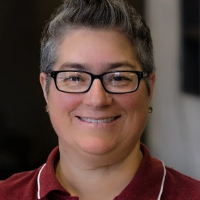
South Dakota · 3 yrs exp
LPC in South Dakota - anxiety and relationships
LGBT · Relationship · Trauma and abuse · Intimacy-related issues · +15 more
Read profile
South Dakota · 30 yrs exp
LPC-MH counselor - anxiety and life changes
Stress, Anxiety · Grief · Depression · Coping with life changes · +1 more
Read profile
South Dakota · 17 yrs exp
LCPC counselor - Anxiety and relationship concerns
Stress, Anxiety · Addictions · LGBT · Relationship · +1 more
Read profile
South Dakota · 3 yrs exp
Licensed Professional Counselor - Anxiety and Relationships
Stress, Anxiety · Family · Self esteem · Depression · +7 more
Read profile
South Dakota · 30 yrs exp
Licensed Professional Counselor - Anxiety and Trauma
Stress, Anxiety · Trauma and abuse · Depression · Coping with life changes · +11 more
Read profile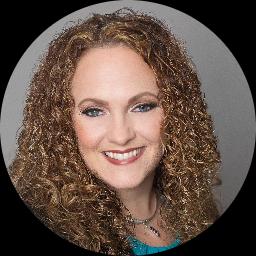
South Dakota · 23 yrs exp
Licensed counselor - Anxiety and grief
Stress, Anxiety · Grief · Self esteem · Depression · +9 more
Read profile
South Dakota · 15 yrs exp
Licensed counselor - anxiety and relationships
Stress, Anxiety · Relationship · Trauma and abuse · Depression · +9 more
Read profile
South Dakota · 26 yrs exp
Licensed counselor - Anxiety and related concerns
Stress, Anxiety · Relationship · Grief · Parenting · +15 more
Read profile
South Dakota · 6 yrs exp
Licensed counselor - Anxiety and relationships
Stress, Anxiety · Relationship · Parenting · Self esteem · +1 more
Read profile
South Dakota · 3 yrs exp
Licensed Professional Counselor - Anxiety and Relationships
Stress, Anxiety · Relationship · Grief · Anger · +1 more
Read profile
South Dakota · 7 yrs exp
Licensed counselor - Anxiety and life changes
Stress, Anxiety · LGBT · Relationship · Depression · +1 more
Read profileIf you live in South Dakota you have growing access to therapy delivered remotely. Many clinicians offer video and phone sessions that let you connect from the comfort of your home, a workplace break room, or another safe setting. Teletherapy has become a common option for people who need flexible scheduling, who live in rural areas, or who want to broaden their search for a therapist whose expertise or language match their needs. Licensing rules vary by profession and by state, so therapists who work with South Dakota residents typically hold a license that covers practice in the state or maintain a licensure arrangement that allows them to provide remote services.
You will find clinicians who describe a range of approaches and specialties. Some therapists list cognitive behavioral therapy among their approaches while others note family systems, psychodynamic work, acceptance and commitment approaches, or mindfulness-informed care. The presence of these approaches in a profile indicates the clinician lists them as part of their practice style and helps you identify potential fits based on how you prefer to work. As remote care continues to evolve, you can expect the mix of options to expand, offering more ways to match therapy to your schedule and circumstances.
Online therapy can make it easier for you to access care without traveling long distances. In a state with wide geographic areas between towns, remote sessions reduce commute time and allow you to fit therapy into a busy day. That convenience can be especially helpful when weather, work demands, or family responsibilities make in-person visits difficult. Working remotely also widens the pool of therapists you can consider, so you have a better chance of finding someone who speaks your language, shares cultural background, or lists experience with concerns similar to yours.
Many people also appreciate the consistency remote sessions provide. You can often maintain continuity during life changes such as relocation or temporary travel. Online formats let you focus on the therapeutic work rather than on logistics, and you can create a comfortable environment in your own home or another place where you feel at ease. If you have mobility limits or caregiving duties, remote care can lower practical barriers and let you engage in therapy on terms that suit your lifestyle.
Therapists who work with South Dakota residents address a full range of concerns. You can find clinicians who list experience in treating anxiety, depression, grief and loss, relationship and family conflicts, parenting challenges, and stress related to work or school. Others indicate they work with trauma reactions, life transitions, identity exploration, and behavioral concerns in children and adolescents. Some therapists note they work with substance use issues while others focus on chronic health-related stress and coping skills.
Approaches vary across profiles. Therapists who list cognitive behavioral therapy among their approaches often emphasize skill-building and symptom management. Those who list psychodynamic or relational approaches may focus on patterns in relationships and longer-term personal understanding. Therapists who list trauma-informed approaches or who list EMDR among their approaches indicate they include trauma-focused work among the tools they offer. When you read profiles, pay attention to the problems a clinician describes as their focus and the ways they say they work with clients, because that helps you anticipate the style of sessions and whether it fits your preferences.
Before you begin sessions, it is reasonable to check a clinician's licensure status. A primary step is to use the state professional licensing website to look up the therapist by name. Most state licensing boards provide a public license lookup that shows the license type - for example a licensed professional counselor, licensed clinical social worker, marriage and family therapist, or psychologist - along with issue and expiration dates. The lookup often includes the license number and indicates whether there are any disciplinary actions on record.
When you view a license record, confirm that the license type matches the professional title the therapist uses in their profile. Check the issued and expiration dates to ensure the license is current. If the licensing site lists disciplinary history, read the details to understand any past actions and whether the matter is resolved. If you cannot find a therapist on the public lookup, you can contact the licensing board by phone or email to ask how to verify credentials; boards can explain whether a clinician is licensed to practice in South Dakota and what licensure pathway they hold.
Getting started begins with clarifying what you want from therapy. Think about the main issues you want to address, the time you can commit, and whether you prefer a therapist who focuses on short-term skills or longer-term exploration. Review therapist profiles to identify clinicians who list relevant focus areas, approaches, languages, and experience. Profiles often include information about session length, fees, and whether the therapist works with adults, adolescents, couples, or families, which helps you narrow options before reaching out.
When you contact a therapist, you can ask about session structure, typical goals, and administrative details such as fees and insurance billing practices. During your first session you and the therapist will typically discuss what brought you to therapy, your goals, and what a productive course of work might look like. If you participate by video, choose a quiet, private space where you will not be interrupted and test your internet connection and camera in advance. Bring a list of questions you want to cover so you make the most of your initial meeting and determine whether the clinician's style feels like a good fit for you.
Choosing a therapist is a personal decision and you should expect to look at a few profiles before you find someone who meets your needs. Focus on how a clinician describes their approach and the problems they commonly address. If a therapist lists specific approaches you prefer, such as cognitive behavioral, acceptance and commitment, or family systems, that can be a useful signal about how they structure sessions. Also pay attention to whether they mention working with client populations that match your situation - for example adolescents, couples, parents, or people from particular cultural backgrounds.
Language and communication matter. If you prefer therapy in a language other than English, look for therapists who list that language in their profile. Read bios to get a sense of tone and warmth - some clinicians write in a direct, structured way while others emphasize emotional exploration. Consider practical factors too, such as session length, estimated fee, and whether the therapist lists acceptance of your payment method or insurance. Finally, trust your impression after an initial meeting. Good therapeutic work depends on rapport and mutual understanding, so choose a clinician with whom you feel heard and respected and who explains their approach in a way that makes sense to you.
Online therapy in South Dakota offers a flexible path to care that can fit many lifestyles and needs. By reviewing profiles, checking licensure records, and preparing for an initial session, you can make an informed choice about the clinician who is the best match for your goals. Use the directory to explore options and take the first step toward connecting with a therapist whose approach and experience align with what you are seeking.
Addictions
3582 therapists
ADHD
3239 therapists
Anger
4267 therapists
Control Issues
4767 therapists
Depression
7564 therapists
Grief
5161 therapists
Guilt and Shame
6939 therapists
Impulsivity
4011 therapists
Intimacy Issues
3055 therapists
Isolation / Loneliness
6820 therapists
Mood Disorders
5166 therapists
OCD
2747 therapists
Panic Disorder and Panic Attacks
5467 therapists
Phobias
2030 therapists
Post-Traumatic Stress
5802 therapists
Seasonal Affective Disorder (SAD)
3067 therapists
Self Esteem
7033 therapists
Sleeping Disorders
1934 therapists
Stress & Anxiety
8486 therapists
Trauma and Abuse
6184 therapists
Abandonment
4538 therapists
Attachment Issues
5048 therapists
Body Image
3622 therapists
Career
3523 therapists
Commitment Issues
3141 therapists
Communication Problems
7250 therapists
Coping with Life Changes
6115 therapists
Family
4901 therapists
Family of Origin Issues
2843 therapists
Forgiveness
6076 therapists
Infidelity
2925 therapists
Jealousy
2975 therapists
Life Purpose
6783 therapists
Money and Financial Issues
2677 therapists
Relationship
6198 therapists
Self-Love
6892 therapists
Sexuality
2685 therapists
Workplace Issues
4918 therapists