- Acceptance and Commitment Therapy
- Cognitive Behavioral Therapy
- Telehealth experience
About David
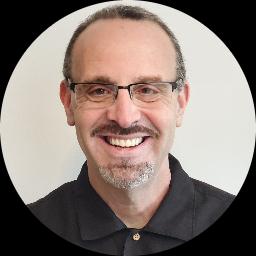
Dr. David Goodman is a Wisconsin psychologist with 29 years of experience. He works with adults on concerns such as stress, anxiety, depression, addictions, relationship and family issues, grief, and ADHD. He also addresses parenting, anger, bipolar disorder, trauma and abuse, and self-esteem problems.
He uses clear, practical methods in sessions. Conversations focus on what is happening now and on small steps that can make daily life easier. He explains ideas plainly and links them to actions people can try between appointments.
His approach blends cognitive behavioral ideas with attachment and client-centered perspectives. That means he looks at thoughts and behaviors, how relationships affect feelings, and how a person’s own goals shape treatment. He also draws on Acceptance and Commitment Therapy and Dialectical Behavior Therapy techniques when those fit a person's situation.
Dr. Goodman uses routine measures to track progress. He employs an electronic testing platform to help identify patterns and to show change over time. This gives concrete feedback about what is working and what might need adjustment.
He has provided telehealth since 2020 and has worked with people using remote sessions. To begin, prospective clients complete a short matching questionnaire and schedule a first session through the online process referenced by the practice.
Therapeutic approaches and online sessions
Dr. Goodman commonly uses Acceptance and Commitment Therapy and Cognitive Behavioral Therapy in his work. Acceptance and Commitment Therapy (ACT) focuses on noticing thoughts and feelings without getting stuck in them, then taking actions that match a person's values. It can help with anxiety, avoidance, and making steady changes in daily life. Cognitive Behavioral Therapy (CBT) looks at how thoughts and behaviors feed each other and uses hands-on exercises to shift unhelpful patterns and reduce distress.Finding the right approach is part of the work. He will discuss options and help decide which methods fit a person's goals and preferences, making adjustments over time as needed. The process is collaborative and focused on practical steps that can be tested between sessions.
The biography indicates he has used telehealth since 2020, so remote sessions are part of his practice. Confirm the current session formats before booking. Online sessions can make it easier to fit therapy into a weekday break, avoid travel, or choose a shorter check-in when schedules are tight. They also let a therapist assign brief between-session exercises and review electronic measures to track progress over time.
Areas of expertise
Primary focus
Also works with
Additional focus areas
Therapeutic approaches
Experience
29+ years
Listed in
Wisconsin
Languages
English
Frequently asked questions
What concerns does he address?
He works with stress, anxiety, depression, addictions, relationship and family concerns, grief, ADHD, and related issues.
What is his general therapy style?
Sessions are practical and conversational, focusing on thoughts, behaviors, and relationship patterns to create small, usable changes.
How long has he been practicing?
He has 29 years of experience as a practicing psychologist in Wisconsin.
What are his credentials and location?
He is a WI Psychologist 2581-57 based in Wisconsin.
Can I work with him from another country?
International clients are accepted and sessions are offered in English.
What session formats are offered?
The biography notes he has provided telehealth since 2020; confirm current session options before booking.
How does pricing work?
Cost varies with location and sessions use a subscription that can be canceled at any time.
How do I get started?
Select the See online therapy options button, complete a short matching questionnaire, and schedule a first session.