- ACT and CBT
- DBT skills
- Eating disorder care
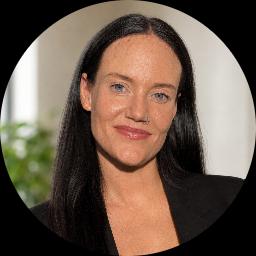
About Lauren
Lauren Lynch is an Accredited Mental Health Social Worker (AASW) with 15 years' experience based in Australia. She helps adults and young adults who struggle with anxiety, eating concerns, self-criticism, perfectionism, avoidance and disconnection from themselves.
She often works with people who find patterns of coping now cause more problems than they solved. That can look like overthinking, shame, people-pleasing, emotional overwhelm or difficulties with relationships and identity. Lauren describes common focus areas as eating disorders, body image, trauma, anxiety and low self-worth.
Her approach mixes practical skills and values-based work. Sessions include noticing unhelpful patterns, learning to manage intense emotions, practising communication skills and reducing avoidance. She also uses tools to rebuild connection with what matters to the client and to support recovery from eating-related issues.
Lauren has specific experience in eating disorder care and has worked as an ANZAED eating disorder clinician. She emphasises that food and body concerns are often linked with trauma, control, identity and shame, and she addresses those connections in therapy.
As an Aboriginal and queer clinician she aims to provide culturally informed, inclusive care. She welcomes Aboriginal and Torres Strait Islander people, First Nations clients, LGBTQIA+ people and those from diverse cultural backgrounds, and attends to how identity and culture affect wellbeing.
How her approaches translate to online sessions
Acceptance and Commitment Therapy (ACT) focuses on values and small committed actions. It helps people notice what matters and practise steps that align with those values, useful for anxiety, avoidance and low motivation.Cognitive Behavioural Therapy (CBT) is about identifying patterns of thinking and behaviour that keep problems going. It involves working on thoughts, behaviour experiments and practical strategies for anxiety, perfectionism and eating concerns.
Dialectical Behaviour Therapy (DBT) skills teach emotion regulation, distress tolerance and clearer communication. These skills can help when emotions feel intense or relationships are strained.
Finding the right approach is part of the work. Lauren will collaborate with each person to decide which methods fit their goals and preferences, and she adjusts the plan as therapy progresses.
Session formats are not specified in the biography, so confirm available options before booking. Online work can make it easier to fit sessions into busy weeks, allow shorter check-ins when needed and remove travel time. She brings the same practical skill-building and values focus to remote sessions as to in-person work, and will discuss how to make sessions suit daily life.
Areas of expertise
Primary focus
Also works with
Additional focus areas
Therapeutic approaches
Experience
15+ years
Listed in
Australia
Languages
English
Frequently asked questions
What concerns does she help with?
She works with stress, anxiety, trauma and abuse, eating issues, self-esteem, depression, relationship and intimacy-related concerns, grief, sleeping problems and career or parenting stresses.
What is her therapeutic style?
Her style is collaborative and practical, drawing on Acceptance and Commitment Therapy, Cognitive Behavioural Therapy and Dialectical Behaviour Therapy skills to manage emotions and change patterns.
How much experience does she have?
She has 15 years of clinical experience working with adults and young adults on issues such as eating disorders, anxiety and trauma.
What credential does she hold and where is she based?
She is an Accredited Mental Health Social Worker with AASW and practises in Australia.
Which languages are sessions offered in?
Sessions are offered in English only.
Can I work with her from outside Australia?
International clients are not currently accepted.
How are costs handled?
Cost varies with location and sessions use a subscription model that can be cancelled at any time.
How do I begin if I want to meet with her?
Select the See online therapy options button, complete a short matching questionnaire and then schedule a first session.