- Stress and anxiety
- Trauma and abuse
- LGBT identity support
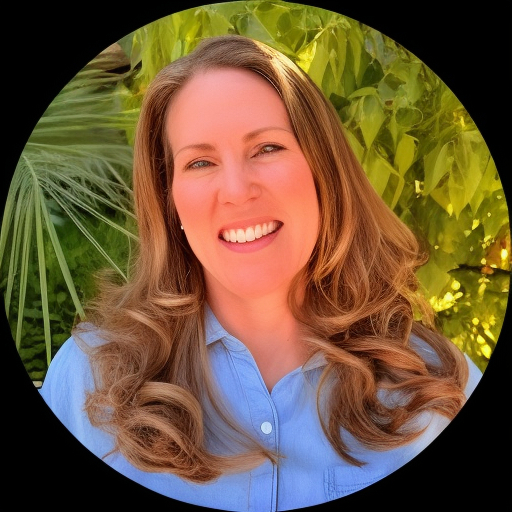
About Katherine
Katherine Meyers is an LCSW with four years of clinical experience based in Nevada. She helps people who are dealing with stress, anxiety, depression, trauma and abuse, and questions about sexual or gender identity. She also supports those working on self-esteem and related struggles.
Katherine draws on social work values like service, dignity, and integrity in her sessions. She uses evidence-based therapeutic techniques to address concrete problems. Sessions focus on clear goals, practical coping skills, and understanding how past experiences shape current reactions.
She pays attention to relationship patterns such as attachment issues, abandonment concerns, and communication problems. She also works with people facing chronic illness, caregiver stress, body image struggles, and identity questions related to LGBT experiences. Katherine notes additional areas of focus including blended family issues, commitment and control difficulties, and aspects of alternative sexual culture like BDSM and kink.
Katherine has experience supporting people who have been involved with the justice or veteran systems and those managing co-occurring conditions. Her approach is person-centered while relying on methods that have research support to guide treatment choices. She aims to be dependable and straightforward about steps in therapy.
To start, she asks clients to identify the immediate problem they want to change and then shapes sessions around practical strategies. People who prefer clear structure and goal-oriented work may find this approach helpful when navigating social anxiety, everyday stress, or recovery from past harm.
How therapeutic methods translate to online sessions
Evidence-based therapeutic techniques focus on clear skills and structured work. One common approach is skill-building for anxiety management, which teaches breathing, grounding, and behavioral experiments to test fears in small steps. This helps people reduce avoidance and practice social situations in manageable ways.Another approach is addressing trauma through paced processing and stabilization. That work emphasizes safety, emotion regulation skills, and gradual review of difficult memories to lessen their day-to-day hold. These methods are aimed at improving coping and daily functioning rather than promising specific outcomes.
Finding the right approach is collaborative. Katherine will discuss different techniques and help decide what fits the client's goals, preferences, and the problems they want to change. Treatment plans can shift as progress is made and new needs appear.
Confirm the exact session formats before booking since the biography does not list them. In general, online sessions can make it easier to fit therapy into work or caregiving schedules, remove travel time, and allow shorter check-ins when needed. They can also make it simpler to practice skills between sessions and bring real-life examples into conversation.
Areas of expertise
Additional focus areas
Experience
4+ years
Listed in
New York, Nevada
Languages
English
Frequently asked questions
What concerns does she focus on?
She focuses on stress, anxiety, depression, trauma and abuse, self-esteem, and LGBT identity concerns, along with related areas like attachment and communication problems.
What is her therapeutic style?
She uses person-centered work alongside evidence-based therapeutic techniques to set goals and teach coping skills.
How long has she been practicing?
Katherine has four years of clinical experience as an LCSW.
What credentials and location apply?
She holds LCSW licensure in New York and Nevada and practices from Nevada.
Which languages are supported?
Sessions are offered in English.
Can international clients work with her?
She is not accepting international clients at this time.
How are sessions paid for?
Cost varies with location; sessions use a subscription that can be canceled at any time.
How do I begin a first session?
Select the See online therapy options button, complete a short matching questionnaire, and schedule a first session.