- Attachment approaches
- CBT and DBT skills
- Trauma support
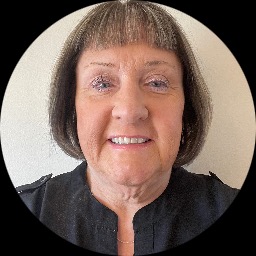
About Stephanie
Stephanie Sligo-Baker is a Minnesota LICSW with 37 years of clinical experience. She works with people who are facing stress, anxiety, relationship problems, trauma and grief. Stephanie has long experience helping those who struggle with mood, addiction, and life transitions.
Her approach centers on clear, respectful conversation. She listens to what is happening now and what has mattered in the past. Sessions focus on practical steps people can try between meetings as well as on talking through painful memories or current stressors.
Stephanie uses a mix of methods to match different needs. She draws on attachment-based ideas to look at how past relationships shape current patterns. She uses cognitive behavioral therapy to help notice and change unhelpful thoughts and behaviors. Dialectical behavior therapy skills are applied for emotion regulation when feelings feel overwhelming.
She has particular experience supporting people who have faced trauma at work, including firefighters, police officers, first responders, and healthcare workers. That work includes addressing burnout, compassion fatigue, and trauma reactions that come from repeated exposure to stress.
Sessions also address concerns such as ADHD, eating and sleeping difficulties, intimacy issues, body image, and chronic illness challenges. Stephanie aims for straightforward, usable strategies and clear planning so people know what to try next.
How therapeutic approaches guide online work
Attachment-Based Therapy looks at how early relationships shape current patterns and expectations. It helps people understand why certain relationship reactions repeat and guides changes in how they connect with others.Client-Centered Therapy focuses on listening and responding to the person in front of the therapist. It supports people in clarifying their own goals and deciding what changes matter most to them.
Cognitive Behavioral Therapy, or CBT, helps identify and test unhelpful thoughts and behaviors. It is often used for anxiety, phobias, mood difficulties, and for building concrete coping strategies.
Choosing the right approach is part of the work. Stephanie will collaborate with clients to find which methods fit their goals, needs, and preferences. That conversation happens early and can change as progress is made.
The biography does not specify exact session formats, so confirm available options before booking. Online sessions can make it easier to fit therapy into weekday breaks, reduce travel time, and offer shorter check-ins when needed. Therapists can adapt exercises and homework for remote meetings so progress continues between sessions.
Areas of expertise
Also works with
Additional focus areas
Therapeutic approaches
Experience
37+ years
Listed in
Minnesota
Languages
English
Frequently asked questions
What kinds of concerns does she address?
She works with stress, anxiety, trauma and abuse, depression, relationship and family concerns, grief, addictions, and related issues listed in her profile.
What is her general approach in sessions?
Sessions involve respectful conversation, practical steps to try between meetings, and attention to both current problems and past relationship patterns.
How much clinical experience does she have?
She has 37 years of professional experience working with a wide range of concerns and populations in Minnesota.
What credential does she hold and where is she based?
She holds an LICSW and practices in Minnesota.
Can I work with her if I live outside the United States?
Sessions are offered in English and she is not accepting international clients at this time.
In what session formats does she meet people?
The original biography does not list specific session formats; please confirm current session options before booking.
How are fees handled?
Cost varies with location and sessions use a subscription that can be canceled at any time.
What do I need to do to start a first session?
Select the See online therapy options button, complete a short matching questionnaire, and schedule a first session.