- Anxiety and phobia support
- EMDR for trauma
- CBT and DBT skills
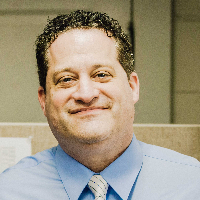
About Shlomo
Shlomo Lawrence is a Licensed Marriage and Family Therapist (LMFT) with 12 years of experience who practices in Florida and holds a Texas LMFT as well. He works with people facing stress, anxiety, addictions, relationship and family problems, trauma and abuse, grief, intimacy difficulties, sleep and eating concerns, and related challenges. He also lists support for ADHD, bipolar and depression among his areas of focus.
Shlomo draws on several well-known clinical approaches in his work. He uses client-centered methods to listen closely and respond to each person's concerns. He also brings Cognitive Behavioral Therapy (CBT) and Dialectical Behavior Therapy (DBT) tools for practical skills around thinking patterns, emotion regulation, and handling urges or cravings.
He has experience in addiction treatment and work with co-occurring disorders, and he has spent time supporting people in trauma settings. He reports long-term work with people who struggle with substance use, obsessive behaviors, depression, and trauma-related symptoms. His background includes community-based treatment as well as therapeutic work with couples and families experiencing conflict.
Shlomo's training includes Eye Movement Desensitization and Reprocessing (EMDR), which he has used with clients who have trauma histories. He also references solution-focused, narrative, structural, and integrative couples methods in clinical work. Those approaches are used alongside skills-based therapies to help people manage symptoms and make practical changes.
He describes a practice shaped by personal history and community involvement. Prospective clients who want to begin can follow the portal's intake steps to complete a brief questionnaire and schedule a first session.
How therapy approaches translate to online work
Client-Centered Therapy focuses on listening and reflecting so a person can describe what matters most. Online sessions can use that same plain talk to sort priorities, name worries, and set goals. Cognitive Behavioral Therapy (CBT) breaks problems into thoughts, feelings, and actions and teaches clear exercises to test unhelpful thoughts and try new behaviors. Those worksheets and skill practices can be completed between sessions and reviewed together. EMDR is a trauma-focused method that uses guided processing; when it is used the therapist explains the steps and works at a pace the client can handle, aiming to reduce trauma-related distress.Choosing the right approach is part of the work itself. The therapist will discuss options and help decide which combination of methods fits the client's needs, goals, and preferences. This happens collaboratively and can be adjusted over time based on what helps most.
Session formats are not listed in the biography, so confirm current options before booking. Online sessions can make it easier to fit therapy into a busy week, allow shorter check-ins when needed, and let people join from locations that reduce travel time. These practical benefits often help people maintain continuity of care and practice skills between meetings.
Areas of expertise
Primary focus
Also works with
Additional focus areas
Therapeutic approaches
Experience
12+ years
Listed in
Florida, Texas
Languages
English
Frequently asked questions
What kinds of concerns does he work with?
He lists stress, anxiety, addictions, relationship and family problems, trauma and abuse, grief, intimacy issues, sleep and eating concerns, ADHD, bipolar, and depression among his areas of focus.
What is his therapeutic style?
He uses a client-centered approach with practical skills from CBT and DBT, and integrates narrative and structural ideas when helpful.
How much experience does he have?
He has 12 years of clinical experience working in community settings, addiction treatment, and trauma care.
What credentials and location are listed?
He is an LMFT licensed in Florida and Texas and practices from Florida.
Which languages are supported?
Sessions are offered in English.
Does he work with international clients?
International clients are not currently accepted.
How are fees and payments handled?
Cost varies by location and sessions use a subscription model that can be canceled at any time.
How do I start a first session?
Select the See online therapy options button, complete the short matching questionnaire, and schedule a first session through the portal.