- CBT methods
- Attachment work
- Emotion-focused tools
About Senethia
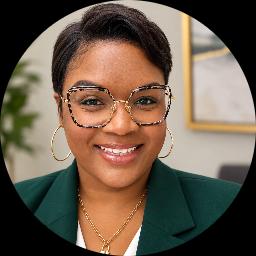
Senethia Walton is an AL LICSW with five years of clinical experience working in Alabama. She helps people who are feeling stressed, anxious, or overwhelmed by relationship problems, grief, sleep issues, parenting challenges, or changes at work or home.
Walton listens for what matters most to each person and works together with them to set clear goals. She uses practical talk and specific strategies in sessions. That can mean identifying thought patterns that get in the way and practicing different ways of responding to difficult feelings.
Her background includes work with trauma and abuse, bipolar mood concerns, substance use, and compassion fatigue. She also addresses attachment and abandonment issues, communication and commitment problems, and blended family stress. People bring worries about body image, chronic illness or pain, caregiving strain, and codependency, and Walton helps them sort priorities and coping options.
Her approach draws on several evidence-informed methods. Cognitive Behavioral Therapy (CBT) is used to spot and change unhelpful thinking and behavior. Attachment-Based Therapy looks at how early relationships affect current patterns. Emotionally-Focused Therapy (EFT) and Acceptance and Commitment Therapy (ACT) are used to work with intense emotions and values-driven choices.
Sessions focus on doable steps between meetings, with attention to communication skills, problem-solving, and emotional awareness. Walton asks about what a person wants to change and then maps out small, practical moves toward those goals.
How her approaches translate to online work
Acceptance and Commitment Therapy (ACT) emphasizes noticing thoughts and feelings without getting stuck in them, then choosing small actions that match personal values. It can help with anxiety, avoidance, and life changes. Cognitive Behavioral Therapy (CBT) teaches practical skills to identify unhelpful thoughts and test new behaviors; it is often used for anxiety, sleep issues, and mood shifts. Attachment-Based Therapy looks at relationship patterns and how they shape reactions to stress, which can be useful for relationship and parenting concerns.Finding the right approach is part of the work. The therapist will talk with the client about goals, preferences, and what has or hasn’t helped before. Together they decide which methods to try and adjust the plan as progress is made.
Session formats are not specified in the profile, so confirm current options before booking. Online sessions can make it easier to fit appointments into a busy week, allow shorter check-ins when needed, and let people join from different locations without commuting. These practical benefits can help someone manage therapy alongside work, caregiving, or other daily demands.
Areas of expertise
Primary focus
Also works with
Additional focus areas
Therapeutic approaches
Experience
5+ years
Listed in
Alabama
Languages
English
Frequently asked questions
What kinds of concerns does she help with?
She works with stress, anxiety, depression, relationship and family struggles, trauma and abuse, grief, sleep problems, parenting strain, career issues, and related concerns listed in her profile.
What is her therapy style like?
Sessions are collaborative and goal-focused, using talk, skills practice, and steps to try between meetings.
How much experience does she have?
She holds an AL LICSW and has five years of clinical experience in practice.
Where is she based?
She practices in Alabama and lists that state as her location.
Which languages are supported?
Sessions are offered in English.
Can people from other countries work with her?
She does not accept international clients at this time.
How does payment work?
Cost varies by location and sessions use a subscription model that can be canceled at any time.
How do I begin a first session?
Choose the See online therapy options button, complete the short matching questionnaire, and schedule your first session.