- Client-centered approach
- Cognitive behavioral therapy
- DBT and mindfulness
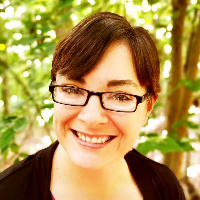
About Monique
Monique Rourk is a Licensed Mental Health Counselor (LMHC) and a Licensed Professional Counselor (LPC) with 20 years of experience. She works with people facing stress, anxiety, addictions, trauma and abuse, depression, relationship and family concerns, grief, intimacy-related issues, anger, bipolar disorder, ADHD, and related problems.
She keeps sessions relaxed and goal-focused. Clients help identify what they want to change and choose how to work toward it. Conversations can be reflective talk therapy or more skill-focused work depending on what is needed.
Her approach blends client-centered methods with cognitive behavioral techniques and other practical tools. Mindfulness, dialectical behavior strategies, and motivational interviewing are part of the mix when useful. The emphasis is on helping people build self-awareness and practical coping skills.
Monique aims to reduce patterns that cause emotional distress and self-defeating behavior. She helps people develop clearer thinking and steadier emotional responses so daily life feels more manageable. Work often includes building routines and concrete skills for coping with strong feelings.
She holds a master’s degree in mental health counseling and maintains licensure as WA LMHC and MI LPC. Her background includes long-term clinical practice and trauma-focused methods. People interested in starting are asked to use the site’s matching steps to schedule a first session.
How her approaches translate to online work
Client-centered therapy focuses on listening and reflecting. It helps people clarify what they want from therapy and feel understood while deciding next steps. Cognitive Behavioral Therapy (CBT) looks at thoughts and behaviors and teaches concrete skills to reduce anxiety and change unhelpful patterns. Dialectical Behavior Therapy (DBT) adds emotion regulation, distress tolerance, and interpersonal skills that are useful for strong mood swings and relationship stress.Choosing the right approach is a collaborative process. The therapist will talk with clients about goals and preferences, then try methods that fit best. Sessions can shift over time as goals change and new skills are needed.
Session formats should be confirmed before booking, since the original biography does not list specific online formats. Online work can make it easier to fit therapy into a busy life - for example a shorter check-in can fit into a lunch break, or a phone call can require less bandwidth than video. Ask about the available session types when you complete the matching steps so you know which options are offered and how they would fit into your routine.
Areas of expertise
Also works with
Additional focus areas
Therapeutic approaches
Experience
20+ years
Listed in
Michigan, Washington
Languages
English
Frequently asked questions
What concerns does she address?
She works with stress, anxiety, addictions, trauma and abuse, depression, relationship and family concerns, grief, intimacy-related issues, anger, bipolar, ADHD, and related topics.
What is her style in sessions?
Sessions are relaxed and goal-focused. Clients actively choose goals and methods, ranging from reflective talk to skill-building.
How much clinical experience does she have?
She has 20 years of experience in the counseling field and uses a range of practical approaches.
What credentials and location apply?
She holds LMHC and LPC credentials and practices in Michigan with licensure listed as WA LMHC and MI LPC.
Which languages are offered?
Sessions are offered in English.
Can people outside the country work with her?
International clients are not currently accepted.
How are sessions paid for?
Cost varies with location and sessions use a subscription that can be canceled at any time.
How do I begin a first session?
Select the See online therapy options button, complete a short matching questionnaire, and schedule a first session.