- Client-Centered Therapy
- Cognitive Behavioral Therapy
- EMDR and mindfulness
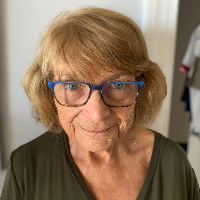
About Deborah
Deborah Hilyard is a Florida LMHC - Licensed Mental Health Counselor with 34 years of clinical experience. She works with people facing stress, anxiety, trauma and abuse, anger, depression, and relationship concerns. Deborah also supports those coping with parenting, career problems, grief, and challenges tied to caregiving and aging.
She earned a graduate degree in counseling from the University of Memphis in 1988 and has worked across several settings. Her background includes career counseling on campus and program development for U.S. Air Force and U.S. Navy family centers. In those roles she advised service members and their families during transitions and separations.
Deborah has provided assessments within the foster care system and offered counseling for people affected by emotional, physical, and sexual abuse. She has long experience addressing anger, anxiety, and depression, and she has helped clients with parenting struggles, workplace conflict, and career decisions.
Her approach blends client-centered work with cognitive behavioral methods, EMDR, mindfulness, and motivational interviewing. Sessions focus on clear discussion, coping skills, and practical steps people can try between meetings. Deborah adapts conversation and planning to the concerns a person brings.
She describes her style as interactive and respectful, avoiding labels while attending to real problems. To begin, the process starts with a short questionnaire and scheduling a first session so a plan can be developed together.
How Deborah’s approaches translate to online work
Client-Centered Therapy emphasizes listening and collaboration. The therapist follows the person’s concerns and helps clarify goals, questions, and priorities to guide each meeting. Cognitive Behavioral Therapy (CBT) focuses on identifying unhelpful thoughts and practicing new behaviors; it often uses short exercises and specific homework between sessions to build skills. EMDR addresses the impact of traumatic memories through a structured process that combines focused recall with bilateral stimulation and can be paced to the client’s readiness.Choosing the best approach is part of the work together. Deborah will talk with each person about their goals and comfort, and then recommend methods or a mix of approaches that seem most useful. This decision happens collaboratively and may change as progress is made.
Confirm current session options before booking, as formats are not specified here. Online sessions can help fit therapy into a busy life by reducing travel time, allowing shorter check-ins when needed, or providing a way to schedule meetings around work and caregiving responsibilities. Licensed professionals use those practical advantages to keep regular contact and follow through on skill practice between sessions.
Areas of expertise
Primary focus
Also works with
Additional focus areas
Therapeutic approaches
Experience
34+ years
Listed in
Florida
Languages
English
Frequently asked questions
What kinds of concerns does she help with?
She works with stress, anxiety, trauma and abuse, anger, depression, grief, relationship issues, parenting and caregiving concerns among other topics.
What is her therapeutic style like?
Her style is interactive and respectful, focusing on conversation, coping skills, and practical steps to try between sessions.
How long has she been practicing?
She has 34 years of experience and completed a graduate degree in counseling in 1988.
What credential does she hold and where is she based?
She is a Florida LMHC and practices from Florida.
Does she offer sessions in languages other than English?
Sessions are offered in English.
Can people outside the U.S. work with her?
She is not currently accepting international clients.
How are sessions scheduled and what do they cost?
Session cost varies with location and sessions use a subscription that can be canceled at any time.
How do I begin a first session?
Select the See online therapy options button, complete a short matching questionnaire, and schedule a first session.