- CBT methods
- DBT skills
- Motivational interviewing
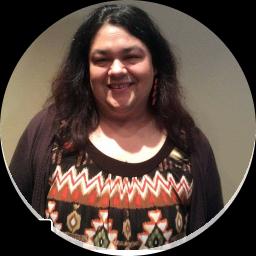
About Angela
Angela Hernandez is a Licensed Clinical Social Worker (LCSW) with 19 years of experience based in Wisconsin. She works with people who are dealing with stress, anxiety, depression, relationship strain, grief, addiction, trauma and abuse, and concerns related to intimacy and self-esteem. Angela also supports people navigating bipolar mood changes and LGBT-related concerns.
Her approach centers on working with each person to set clear goals. She uses client-centered methods and collaborative goal-setting to help people decide what they want to work on. Sessions focus on practical steps, problem solving, and skills people can use between meetings.
Angela draws on several therapy styles to fit different needs. She uses Cognitive Behavioral Therapy (CBT) to identify thinking patterns that affect mood and behavior. She also uses Dialectical Behavior Therapy (DBT) skills for managing intense emotions and improving interpersonal effectiveness. Motivational Interviewing is used when people are weighing change and need help finding their own reasons for it.
Her background includes wide-ranging clinical work across individual, group, and system-involved settings. Angela has experience with populations facing substance use and co-occurring mental health conditions, as well as clients who identify as LGBTQ+. She works with adults and with people aged 16 and older.
People who choose her can expect straightforward sessions that focus on goals, coping strategies, and clear next steps. She invites clients to talk through what’s most urgent and to build practical skills for everyday situations.
How her approaches translate to online sessions
Angela commonly uses Cognitive Behavioral Therapy (CBT) and Dialectical Behavior Therapy (DBT) in her work. CBT focuses on identifying unhelpful thoughts and testing them against real life, which helps when worry or avoidance get in the way. DBT teaches concrete emotion regulation and interpersonal skills to manage intense feelings and improve communication.Finding the right approach is part of the work together. She will talk with each person about their goals and preferences, and then recommend methods to try. That plan can be adjusted over time based on what is helpful and what fits the person's everyday life.
Confirm the current session formats before booking so you know what options are offered. Many people find online sessions make it easier to fit meetings into a weekday routine, shorten travel time, or choose a quieter setting for focused work. These practical benefits can make it simpler to attend regularly and practice skills between sessions.
Areas of expertise
Primary focus
Also works with
Additional focus areas
Therapeutic approaches
Experience
19+ years
Listed in
Wisconsin, Utah
Languages
English
Frequently asked questions
What kinds of concerns does she help with?
She works with stress, anxiety, depression, trauma and abuse, addictions, relationship and intimacy issues, grief, self-esteem, bipolar mood concerns, and LGBT-related topics.
What is her general approach in sessions?
She uses a client-centered style that focuses on collaborative goal-setting and practical steps. Sessions commonly include skill practice and problem solving.
How much experience does she have?
She has 19 years of clinical experience providing individual, group, and system-involved care.
What are her credentials and where is she based?
She is an LCSW licensed in Wisconsin and practices from that state.
Which languages are supported for sessions?
Sessions are offered in English.
Can people outside the United States work with her?
She accepts international clients, so people outside the U.S. can inquire about working together.
How are fees and payment handled?
Cost varies with location; sessions use a subscription model that can be canceled at any time.
How do I begin a first session?
Click the See online therapy options button, complete the short matching questionnaire, and schedule a first session.