- CBT methods
- ACT principles
- Attachment work
About Mi
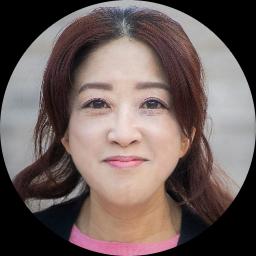
Mi Jung You is a New York licensed mental health counselor (LMHC) with 10 years of experience working with adults. She helps people facing depression, anxiety, anger, relationship difficulties, trauma, life stressors and transitions, and family conflict.
She keeps sessions direct and practical. Conversations focus on immediate concerns and on skills to manage strong feelings. She uses cognitive behavioral approaches to identify patterns of thinking and behavior that maintain distress. She also draws on acceptance and commitment ideas to help people clarify what matters and take actions that fit their values.
Attachment-based work appears when relationships are central to the problem. That means looking at how early bonds show up in current connections and communication. Client-centered techniques shape the pace of sessions so the person can lead what matters most in each meeting.
Mi Jung often blends strategies when a single method isn’t enough. For example, she may combine CBT skill practice with DBT-style emotion regulation for intense states, or use attachment-focused conversation to address recurring relationship patterns.
Sessions can include coaching elements for career or life-change planning. She also supports people dealing with grief, chronic stress, caregiver strain, body image concerns, and ADHD-related struggles. Conversations may be in English or Korean, and international clients are accepted.
How therapy approaches translate to online work
Acceptance and Commitment Therapy (ACT) helps people notice unhelpful thoughts and focus on actions that reflect their values. It is useful for anxiety, avoidance, and aligning choices with what matters. Cognitive Behavioral Therapy (CBT) teaches concrete skills to challenge thinking patterns and change behaviors that maintain worry and low mood. It suits stress, social anxiety, and sleep problems. Attachment-Based Therapy looks at how early relationship patterns affect current connections and communication, which can help with intimacy and repeated relationship conflicts.Finding the right approach is part of the process. The therapist will work collaboratively with each person to try methods and see what fits their goals and preferences. That means checking in and adjusting techniques over a few sessions rather than committing to one fixed method immediately.
The original biography did not list specific online session formats, so confirm current options before booking. In general, online work can make it easier to fit sessions into a weekday break, reduce travel time, or allow shorter check-ins when days are busy. For people who prefer a quieter interaction without video, alternatives may be possible depending on the therapist's current offerings. Ask about language options too, since sessions are available in Korean as well as English.
Areas of expertise
Primary focus
Also works with
Additional focus areas
Therapeutic approaches
Experience
10+ years
Listed in
New York
Languages
Korean
Frequently asked questions
What concerns does she work with?
She works with a wide range of issues including stress, anxiety, depression, trauma and relationship difficulties.
What is her therapeutic style?
Sessions are practical and skills-focused, combining talk with concrete tools from CBT, DBT, and client-centered approaches.
How much experience does she have?
She has 10 years of experience as a licensed mental health counselor in New York.
What credential does she hold and where is she based?
She is a New York LMHC and practices from New York.
Can I work with her in another language?
Sessions are offered in Korean as well as English, and she accepts international clients.
What session formats are offered?
The original biography does not list specific session formats; please confirm current session options before booking.
How does payment or cost work?
Cost varies with location and sessions use a subscription that can be canceled at any time.
How do I begin a first session?
Select the See online therapy options button, complete the short matching questionnaire, and schedule a first session.