- Anxiety and stress
- Grief and loss
- Coping skills
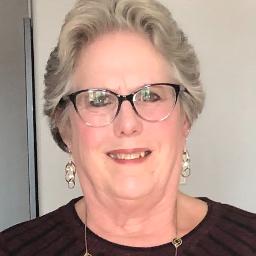
About Marilyn
Marilyn Traynor is an LCSW with 40 years of clinical experience in Illinois. She works with adults on concerns such as anxiety, depression, grief, stress, addictions, and life transitions. Her practice includes attention to caregiver strain, aging and chronic health challenges, and issues that often arise in midlife.
She uses practical methods to help people talk through painful or confusing feelings. Sessions commonly focus on building coping skills, improving communication, and addressing patterns that keep problems repeating. Treatment often combines behavior-focused work with attention to personal values and relationships.
Clients may bring concerns about workplace stress, relationship or intimacy problems, and parenting strains. Marilyn also supports people dealing with trauma, abuse, anger, and substance use struggles. She pays attention to attachment themes and how early patterns influence current behavior.
Her approach draws on Acceptance and Commitment Therapy and Cognitive Behavioral Therapy to help people notice thoughts and take values-based actions. Attachment-Based Therapy and Client-Centered methods shape how she attends to relationships and personal meaning. Dialectical Behavior Therapy skills are used when emotion regulation and distress tolerance are needed.
Marilyn aims to help individuals develop clearer goals and steady coping strategies. She works collaboratively to set practical steps and to track progress over time. To begin, readers are asked to use the site's matching process and schedule an initial session through the online options button.
How Marilyn uses evidence-based approaches online
Acceptance and Commitment Therapy (ACT) focuses on helping people notice unhelpful thoughts and take actions that align with their personal values. It can help when avoidance or worry limits daily life. Cognitive Behavioral Therapy (CBT) looks at the links between thoughts, feelings, and behaviors and uses specific exercises to change patterns that maintain anxiety or low mood. Attachment-Based Therapy pays attention to how early relationship patterns affect current connections and trust, which can be useful for intimacy and relationship concerns.Choosing the right approach is a collaborative process. Marilyn will review your goals and preferences and suggest tools or methods that fit. She adapts methods over time based on what works and what doesn't for each person.
The original biography does not list specific session formats, so confirm available online options before booking. Many people find online sessions easier to fit into daily life because they reduce travel and can be scheduled around work or caregiving. Other practical benefits include shorter check-ins when needed and the option to continue work across locations. Discuss format preferences when you match so the therapist and you can plan sessions that fit your schedule and needs.
Areas of expertise
Also works with
Additional focus areas
Therapeutic approaches
Experience
40+ years
Listed in
Illinois
Languages
English
Frequently asked questions
What concerns does she address?
She works with stress, anxiety, depression, grief, addictions, relationship and family problems, trauma and many life changes.
What is her general approach in sessions?
She combines practical skill-building with work on values and relationships, using behavior-focused strategies and attention to attachment patterns.
How long has she been practicing?
She has 40 years of clinical experience working with adults in Illinois.
What credential and location are listed?
She is an LCSW licensed in Illinois and practices with that credential.
Which languages are supported?
Sessions are offered in English and international clients are accepted.
What session formats are available?
Session formats are not specified in the biography, so please confirm current session options before booking.
How does pricing work?
Cost varies by location and sessions use a subscription that can be canceled at any time.
How do I start a first session?
Select the See online therapy options button, complete the short matching questionnaire, and schedule an initial session through the site.