- Stress and anxiety
- Trauma and abuse
- ADHD concerns
About Andrew
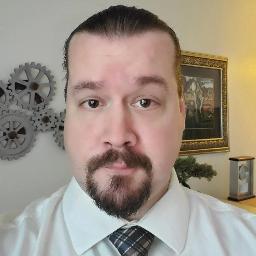
Andrew Scarbrough is a Minnesota Psychologist (MN Psychologist LP6150) with 16 years of clinical experience. He works with stress, anxiety, relationship concerns, trauma and abuse, anger, and ADHD. He also addresses related problems such as abandonment, communication difficulties, substance issues, and family-of-origin topics.
He draws from a range of evidence-based therapeutic techniques. Sessions focus on concrete strategies people can use between meetings, and on talking through patterns that keep problems repeating. He uses approaches that look at thoughts, feelings, life history, and the immediate situation to make practical changes.
Andrew adapts methods to each person’s preferences and motivation for change. That means picking interventions that fit how someone likes to work and testing what helps most. He pays attention to cultural context when suggesting strategies and discussing challenges.
In practice he helps people break down problems into manageable steps. That can include learning new coping skills, practicing different ways of communicating, or changing unhelpful thought patterns. He also offers support around difficult events such as trauma, separation, or substance-related harms.
Sessions are grounded and straightforward, with an emphasis on what the person wants to work on next. People are invited to try techniques, note how they feel, and adjust the plan as needed. The process is collaborative and paced to each person’s needs.
How therapeutic approaches and online sessions fit together
Andrew uses evidence-based techniques that focus on thoughts and behavior, and approaches that attend to personal history and relationships. Cognitive-behavioral methods involve identifying unhelpful thinking and practicing small behavioral changes to reduce anxiety and improve functioning. Psychodynamic-leaning work looks at recurring patterns from a person’s past and how those patterns show up in current relationships and feelings.Finding the right mix of methods is part of the work. He will collaborate with the person to choose approaches that match goals and preferences, try them in session, and adjust what is used based on what helps most. The person’s motivation and daily life guide how techniques are introduced and practiced.
The biography does not specify which online session formats are offered, so confirm the available options before booking. In general, online work can make it easier to fit therapy into busy schedules, allow shorter check-ins when needed, and reduce travel time. It can also make it simpler to continue work between sessions by reviewing notes or practicing skills learned during meetings.
Areas of expertise
Primary focus
Additional focus areas
Experience
16+ years
Listed in
Minnesota
Languages
English
Frequently asked questions
What problems does he address?
He works with stress, anxiety, relationship issues, trauma and abuse, anger, and ADHD. He also helps with related concerns such as substance problems, communication difficulties, and family-of-origin issues.
What is his therapeutic style?
He uses an integrative approach that draws on evidence-based techniques. Sessions often mix practical skill-building with talking through patterns from a person’s history.
How much experience does he have?
He has 16 years of experience working with a range of mental health and behavioral concerns.
What credential does he hold and where is he based?
He is a Minnesota Psychologist, listed as MN Psychologist LP6150, and practices in Minnesota.
Can I work with him if I live outside the United States?
International clients are not currently accepted. Sessions are offered in English.
What session formats are available?
The original biography does not list specific session formats. Confirm current session options before booking to know how sessions are conducted.
How does payment or cost work?
Cost varies with location and sessions use a subscription that can be canceled at any time.
How do I get started?
Select the See online therapy options button, complete the short matching questionnaire, and schedule a first session.