- Client-centered methods
- Cognitive behavioral therapy
- Mindfulness techniques
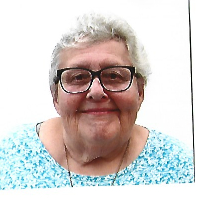
About Peggy
Peggy Fair is a Licensed Clinical Social Worker (LCSW) with 40 years in mental health practice. She spent the early part of her career as an emergency mental health therapist in Virginia. Since moving to North Carolina 30 years ago she has worked in inpatient psychiatry and later as a mental health therapist for Marines and Navy servicemembers for 14 years.
She maintained a part-time private practice for 23 years focused mainly on couples and relationship work. That evening work gave her regular opportunities to help couples resolve conflict and build better coping skills together. She describes herself as an integrative therapist who draws from many approaches to support goals set in session.
Her clinical interests include stress, anxiety, relationship and family concerns, trauma and abuse, depression, addictions, grief, intimacy-related issues, parenting, anger, self-esteem, career matters, bipolar concerns, and coping with life changes. She also lists additional focuses such as blended family issues, caregiver stress, codependency, commitment and control issues, divorce and separation, domestic violence, and family of origin difficulties.
Peggy uses a range of methods including client-centered therapy, cognitive behavioral therapy (CBT), dialectical behavior therapy (DBT), mindfulness, and solution-focused work. She says she helps people set clear goals and uses practical tools to work toward those goals.
She is semi-retired and living in Florida while licensed in North Carolina as an LCSW. Sessions and messages are managed with timely responses; she checks messages multiple times daily and aims to reply within 24 hours or less.
How her approaches translate to online sessions
Client-centered therapy focuses on listening and reflecting back what matters to the client. It helps people feel understood and clarifies their goals in session. Cognitive behavioral therapy, or CBT, looks at thoughts and behaviors and teaches practical skills to reduce anxiety and change unhelpful patterns. Dialectical behavior therapy, or DBT, emphasizes skills for emotion regulation and managing intense reactions.Choosing which approach to use is a collaborative process. Peggy works with each person to figure out what techniques fit their needs and goals. She adapts methods over time as progress and preferences become clear.
The biography does not list specific online formats, so confirm current options before booking. In general, online work can make it easier to fit sessions into a busy life, reduce travel, allow shorter check-ins, or avoid being on camera when that helps. These practical benefits can make it simpler to keep therapy consistent while working on anxiety, relationship issues, or coping skills.
Areas of expertise
Primary focus
Also works with
Additional focus areas
Therapeutic approaches
Experience
40+ years
Listed in
North Carolina
Languages
English
Frequently asked questions
What kinds of concerns does she address?
Peggy works with stress, anxiety, relationship and family concerns, trauma and abuse, depression, addictions, grief, intimacy issues, parenting and related topics listed in her profile.
What is her therapeutic style?
She describes an integrative, goal-focused style that helps clients set goals and learn practical tools to reach them.
How long has she practiced?
She has 40 years of experience in mental health work, including emergency, inpatient, military, and private practice settings.
What credential and location apply to her practice?
She is an LCSW licensed in North Carolina and currently lives in Florida.
Can I work with her if I live outside the United States?
Sessions are offered in English and she accepts international clients according to her profile.
Which session formats are offered?
The original biography does not list specific session formats. Please confirm current session options before booking.
How does billing and cost work?
Cost varies with location and sessions use a subscription that can be canceled at any time, per the profile.
How do I start a first session?
Select the See online therapy options button, complete the short matching questionnaire, and schedule a first session.