- Addictions
- Self esteem
- ADHD
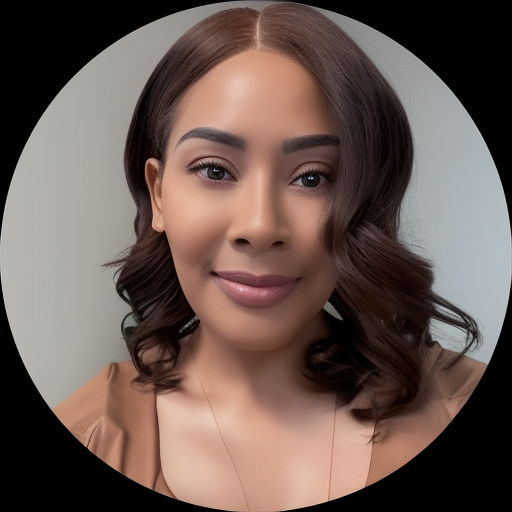
About Elizabeth
Elizabeth Tom is a Licensed Clinical Social Worker (LCSW) in Utah with ten years of clinical experience. She works with people dealing with depression, social anxiety, and related concerns such as low self-esteem and ADHD. She also supports those facing challenges connected to addiction and LGBT issues.
Her sessions are straightforward and practical. She helps clients talk through emotional reactions and relationship patterns. Conversations often focus on communication skills, managing difficult feelings, and finding steps that fit day-to-day life.
Elizabeth draws on evidence-based therapeutic techniques to guide the work. She uses clear strategies to help with emotional regulation, impulsivity, and patterns that come from attachment or abandonment wounds. She aims to make therapy feel like a set of usable tools rather than abstract talk.
People commonly bring issues like isolation, guilt, chronic illness stress, money worries, or problems after separation. Elizabeth uses structured approaches to address these areas and to strengthen coping when life feels overwhelming.
She works in English and practices in Utah. Her background includes a decade of helping adults manage mood disorders, improve self-esteem, and negotiate life transitions. To begin, people are asked to complete a short matching questionnaire and schedule a first session through the site.
How evidence-based techniques are used in online sessions
Elizabeth uses evidence-based therapeutic techniques that emphasize clear skills and structured practice. One approach focuses on emotion regulation and teaching simple strategies to manage intense feelings, which can help with panic, mood swings, and impulsivity. Another approach looks at attachment patterns and past losses to identify how they shape current relationships and reactions; this helps people notice repeating patterns and try different ways of relating.Figuring out which approach fits best is part of the work. The therapist and client review goals, symptoms, and preferences together and then try approaches that match the person’s needs. Adjustments are made over time based on how methods feel in practice, and the process is collaborative.
Confirm the therapist's current session options before booking so you know what formats are offered. Online sessions can make it easier to fit therapy into a busy schedule, shorten travel time, and allow for check-ins that are brief when needed. They also let people join from locations that reduce interruptions or use phone-only meetings when video would be difficult. These practical benefits can help therapy fit into everyday life without changing the therapeutic focus.
Areas of expertise
Primary focus
Additional focus areas
Experience
10+ years
Listed in
Utah
Languages
English
Frequently asked questions
What concerns does she help with?
She helps people with depression, social anxiety, addictions, self-esteem struggles, and ADHD, plus related issues like attachment and isolation.
What is her therapeutic style like?
Sessions are practical and collaborative, focusing on clear strategies for emotion regulation, communication, and coping skills.
How much clinical experience does she have?
She has ten years of experience working with adults on mood, attachment, and self-esteem concerns.
What are her credentials and where does she practice?
She is an LCSW licensed in Utah and practices there.
Which languages are supported?
Sessions are offered in English.
Can I work with her from outside the United States?
She does not accept international clients at this time.
How are sessions paid for?
Sessions use a subscription model that can be canceled at any time; costs vary with location.
How do I start a session?
Select the See online therapy options button, complete the short matching questionnaire, and schedule a first session.