- CBT techniques
- DBT skills
- EMDR for trauma
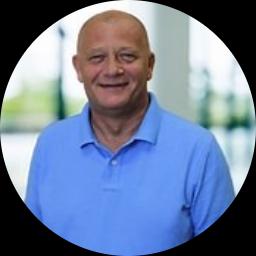
About Alan
Alan Crandall is a Florida Licensed Mental Health Counselor (FL LMHC) with 11 years of experience. He works with people facing stress, anxiety, trauma, mood disorders, and life transitions, and lists social anxiety and related challenges among his focus areas. He commonly supports issues such as depression, panic, grief, anger, ADHD, and relationship concerns.
In sessions he focuses on practical skills and clear steps. He helps clients improve communication, manage overwhelming feelings, and reduce isolation. Expect conversations that aim to identify what feels most burdensome and simple ways to try different responses.
Alan uses a mix of approaches to match different problems. He draws on Cognitive Behavioral Therapy to spot and change unhelpful thinking patterns. He also uses Dialectical Behavior Therapy skills for emotion regulation and distress tolerance when emotions feel intense.
For trauma-related concerns he may include Eye Movement Desensitization and Reprocessing to address traumatic memories alongside other methods. Motivational Interviewing appears in his work when people face ambivalence about change and want help finding reasons to try new strategies.
He describes his work in direct terms: improving self-esteem, repairing communication, and reducing avoidance in social situations. People looking for help with social anxiety, workplace stress, or mood instability will find a clinician who emphasizes actionable techniques and consistent practice.
Sessions are delivered in English from Florida and align their focus to what each person brings to the room. Prospective clients are asked to complete a brief matching questionnaire before scheduling their first appointment.
How Alan uses evidence-based approaches online
Alan integrates Cognitive Behavioral Therapy and Dialectical Behavior Therapy into online work. CBT focuses on identifying unhelpful thoughts and testing different behaviors to reduce anxiety and low mood. DBT teaches concrete skills for managing intense emotions, tolerating distress, and improving interpersonal effectiveness.He may also use Eye Movement Desensitization and Reprocessing for trauma-related memories when appropriate. EMDR aims to reduce the distress linked to specific traumatic events while other methods help build coping skills around daily stressors.
Choosing which approach to use is a collaborative process. The therapist will help the client weigh goals, preferences, and what feels most manageable. Together they adjust methods over time based on what helps most.
The original profile does not list which session formats are offered, so confirm current online options before booking. Online sessions can make it easier to fit therapy into a busy week, allow shorter check-ins when needed, and reduce travel time. Many people find it simpler to practice skills between meetings when sessions fit into their regular routine.
Areas of expertise
Primary focus
Also works with
Additional focus areas
Therapeutic approaches
Experience
11+ years
Listed in
Florida
Languages
English
Frequently asked questions
What kinds of concerns does he work with?
He lists stress, anxiety, trauma, mood disorders, social anxiety, depression, panic, and related difficulties among his focus areas.
What is his therapeutic style?
He uses practical, skills-based methods and conversational work to help people change patterns and manage emotions.
How long has he practiced?
He has 11 years of clinical experience working with a range of mood and anxiety concerns.
What credentials and location are listed?
He is a Florida LMHC and provides services based in Florida.
Which languages are supported for sessions?
Sessions are offered in English only.
What session formats are available?
The original profile does not specify session formats; please confirm current options before booking.
How are fees handled?
Cost varies with location and sessions use a subscription that can be canceled at any time.
How do I begin a first session?
Select the See online therapy options button, complete a short matching questionnaire, and schedule a first session.