- Stress management
- Trauma recovery
- Emotion regulation
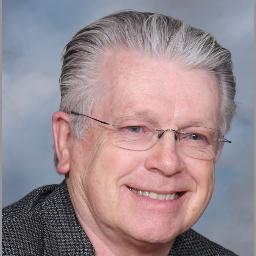
About William
William Shahan is an LCSW (Licensed Clinical Social Worker) with 32 years of experience based in Oklahoma. He works with people facing stress, anxiety, trauma and abuse, anger, self-esteem struggles, and depression. Sessions focus on practical skills and clearer thinking rather than jargon.
He uses evidence-based therapeutic techniques to help people learn emotion regulation and coping strategies. That can include step-by-step approaches to reduce panic and manage obsessive thoughts. He also addresses relationship patterns such as attachment struggles and avoidant personality traits by looking at how people respond in close contact.
William has substantial experience supporting people through major life changes. That includes divorce and separation, aging and geriatric issues, hospice and end-of-life concerns, and the effects of domestic violence. He pays attention to how past events shape present behavior and mood.
Work in sessions often emphasizes straightforward tools for mood and anxiety management. This can mean practicing new responses to worry, breaking down overwhelming tasks, and developing routines that lessen impulsivity. He also helps people consider purpose and meaning when depression or loss reduce motivation.
People concerned about sexual functioning, obsessive-compulsive patterns, panic attacks, or personality disorder traits will find a clinician who brings long experience and practical focus. William describes therapy as a place to learn skills, understand patterns, and try small changes that add up over time.
How therapeutic methods translate to online sessions
William uses evidence-based therapeutic techniques to address anxiety, mood, and trauma-related concerns. One common method focuses on skills training for emotion regulation and coping - that means learning practical breathing, grounding, and pacing strategies to reduce intense reactions and manage panic. Another approach targets repetitive thoughts and behaviors seen in OCD and worry, using stepwise exercises to reduce avoidance and test fears in manageable steps. These methods help people handle symptoms and build routines that support daily functioning.Finding the best approach is a collaborative process. The therapist and client review goals, preferences, and what has or hasn’t worked before, then try approaches that fit the person’s needs. Adjustments are made as work progresses so sessions stay relevant and useful.
Confirm the exact session formats before booking. When available, online work can make it easier to fit therapy into a busy schedule, shorten travel time, and allow for check-ins from different locations. Some formats may also allow shorter or more frequent brief sessions for skills practice. Ask about current options when you schedule so sessions match your day-to-day life.
Areas of expertise
Primary focus
Additional focus areas
Experience
32+ years
Listed in
Oklahoma
Languages
English
Frequently asked questions
What issues does he help with?
He works with stress, anxiety, trauma and abuse, anger, self-esteem problems, and depression. Additional focuses include panic, OCD patterns, and life transitions like divorce and aging.
What is his approach in sessions?
He uses evidence-based therapeutic techniques that teach concrete coping skills and emotion regulation. Sessions emphasize practical steps to reduce symptoms and change unhelpful patterns.
How long has he been practicing?
He has 32 years of clinical experience working with a wide range of emotional and behavioral concerns.
Where is he licensed and located?
He is an LCSW licensed in Oklahoma and practices from there.
What languages are offered?
Sessions are offered in English.
Can international clients work with him?
International clients are not currently accepted.
How are sessions paid for?
Cost varies by location and sessions use a subscription model that can be canceled at any time.
How do I begin the process?
Select the See online therapy options button, complete a short matching questionnaire, and schedule a first session.