- CBT strategies
- DBT techniques
- Solution-focused goals
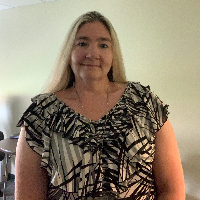
About Julie
Julie Fahlmann is a Licensed Clinical Social Worker (LCSW) in New York with three years of clinical experience. She works with stress and anxiety, and her practice also addresses addictions, trauma and abuse, parenting concerns, depression, relationship and family issues, grief, self-esteem, bipolar disorder, and ADHD. Julie offers straightforward, practical support for people who find social situations and everyday stress difficult to manage.
She uses clear, evidence-based methods that help with thinking patterns, emotional regulation, and goal setting. Sessions focus on what is causing immediate stress and on small changes that can make daily life more manageable. Julie listens to what matters most and helps people set reasonable next steps they can try between sessions.
Her background includes roles across clinical settings, giving experience with crisis, medical, school, correctional, and addiction-related work. That range informs her practical approach to problems like grief, trauma, and substance concerns. Julie draws on what has worked in different settings to help people who need structure and concrete strategies.
In sessions she may teach skills from cognitive behavioral approaches to spot unhelpful thoughts, and use techniques from dialectical behavior methods to manage strong emotions. Motivational interviewing and solution-focused tools are used when people want help making changes or setting short-term goals.
Clients can expect direct conversation about goals and obstacles. Julie explains options and helps people pick methods that fit their life. To start, people complete a short match questionnaire and schedule a first session through the platform.
How her online approaches work
Julie often uses Cognitive Behavioral Therapy (CBT) to help people notice and change unhelpful thought patterns and behaviors. CBT is useful for anxiety, depression, and stress because it focuses on specific skills and small, testable changes.She also draws on Dialectical Behavior Therapy (DBT) techniques to teach emotion regulation and distress tolerance. DBT skills can help when emotions feel overwhelming and when people need concrete tools to cope in the moment.
Finding the right approach is part of the work together. The therapist will review goals, preferences, and current problems and then suggest which methods to try. Clients are invited to give feedback so plans can be adjusted if something does not fit.
Session formats are not specified in the biography, so confirm current options before booking. Online sessions can make it easier to fit visits into a busy day, allow shorter check-ins when needed, and remove travel time. Licensed professionals can use focused skills teaching, planning, and progress checks in remote sessions to keep work moving forward without changing daily routines.
Areas of expertise
Primary focus
Also works with
Additional focus areas
Therapeutic approaches
Experience
3+ years
Listed in
New York
Languages
English
Frequently asked questions
What problems does she help with?
She supports people facing stress, anxiety, addictions, trauma, depression, relationship and family concerns, grief, self-esteem issues, bipolar disorder, and ADHD.
What is her therapeutic style?
Her style is practical and goal-oriented, using direct conversation to identify obstacles and plan steps forward.
How much clinical experience does she have?
Julie has three years of experience as an LCSW working in a range of mental health settings.
What are her credentials and where is she based?
She is a Licensed Clinical Social Worker (LCSW) licensed in New York and practices from that state.
Which languages are supported?
Sessions are offered in English.
Can international clients book sessions?
International clients are not currently accepted.
How are sessions arranged and what does it cost?
Costs vary with location and sessions use a subscription that can be canceled at any time.
How do I begin working with her?
Click the See online therapy options button, complete the short matching questionnaire, and schedule a first session.