- CBT methods
- ACT practices
- Client-centered work
About Ashley
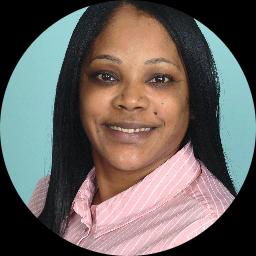
Ashley Johnnies is an LCSW licensed in Illinois with five years of clinical experience. She works with people facing stress, anxiety, trauma and abuse, anger, and depression. Ashley presents practical ways to manage hard moments and to make small, steady changes.
She approaches sessions from the view that each person knows their own story. Ashley listens for strengths and patterns, then offers concrete tools to try in day-to-day life. Conversations focus on what is getting in the way now and on steps that feel doable.
Ashley uses techniques from cognitive behavioral therapy to help identify unhelpful thoughts and to test new ways of thinking and acting. She also draws on client-centered methods to keep sessions focused on the person’s priorities, and on acceptance and commitment therapy to clarify values and realistic goals.
Sessions are practical and grounded. Clients can expect clear suggestions, short exercises to practice between meetings, and time to reflect on what worked or did not. The approach balances talking through feelings with skill-building.
Over time Ashley helps people notice small shifts in how they respond to stress and relationships. She pays attention to issues such as self-esteem, intimacy concerns, parenting stress, grief, and communication problems. Her work also covers a wide range of related areas, including adoption and foster care, caregiver stress, and body image.
People who prefer direct feedback and step-by-step strategies may find this approach useful. Ashley works in English and practices in Illinois as an LCSW.
How Ashley uses therapy approaches online
Ashley works with a few main approaches that translate well to conversation and short practice exercises. Cognitive Behavioral Therapy, or CBT, looks at the link between thoughts, feelings, and actions and offers concrete techniques to test new behaviors and reduce unhelpful thinking patterns. Acceptance and Commitment Therapy, or ACT, helps clarify personal values and encourages small committed steps toward those values even when difficult feelings are present. Client-Centered Therapy keeps the focus on the person’s priorities, using reflective listening to help people organize their thoughts and decide what to try next.Choosing the right approach is a collaborative process. Ashley will discuss options, try methods that fit the client’s goals, and adjust based on what helps most. The plan is shaped by the person’s needs, preferences, and what feels manageable in daily life.
Session formats are not specified in the biography, so confirm current options before booking. Online work can make it easier to fit sessions around work, childcare, or travel and can allow shorter check-ins when schedules are tight. It can also remove the need to be on camera for every meeting if that helps someone participate more comfortably.
Areas of expertise
Primary focus
Also works with
Additional focus areas
Therapeutic approaches
Experience
5+ years
Listed in
Illinois
Languages
English
Frequently asked questions
What kinds of concerns does she help with?
Ashley works with stress, anxiety, trauma and abuse, anger, depression, relationship and family issues, grief, intimacy-related issues, and parenting concerns.
What is her general approach in sessions?
Sessions combine listening with practical tools. She mixes conversation about what matters with exercises and steps to try between meetings.
How much experience does she have?
Ashley has five years of professional work experience as an LCSW practicing in Illinois.
Where is she licensed and working?
She is an LCSW licensed in Illinois and provides services in that state.
Which languages are supported?
Sessions are offered in English.
Can I work with her from another country?
International clients are not currently accepted.
How are sessions arranged and paid for?
Cost varies with location and sessions use a subscription model that can be canceled at any time.
What steps do I take to begin?
Select the See online therapy options button, complete a short matching questionnaire, and schedule a first session.