- Client-centered approach
- Solution-focused methods
- Help with social anxiety
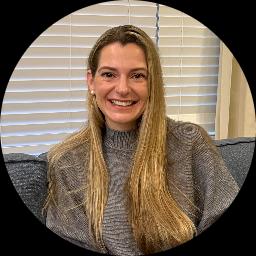
About Sydney
Sydney Dodds is an LCSW (Licensed Clinical Social Worker) with nine years of experience in social work in Arkansas. She works with stress, anxiety, relationship concerns, family issues, self-esteem, career questions, coping with life changes, and ADHD. She also focuses on communication problems, life purpose, and social anxiety and phobia.
She uses a straightforward, conversational style in sessions. Conversations focus on clear goals and practical steps. Sessions aim to identify patterns, try approaches that fit daily life, and check progress along the way.
Sydney draws on client-centered therapy to listen closely to a client's priorities and to shape sessions around what matters most to them. She also uses solution-focused techniques to set short-term goals and build on small changes that make a difference quickly.
Her background across multiple social work settings has informed a flexible approach. She pays attention to what is getting in the way of day-to-day functioning, then helps people experiment with alternatives and new habits. For someone who finds social situations or meeting new people hard, she offers concrete practices to manage those moments.
Sessions are conversational and practical. They involve checking what worked, adjusting plans, and setting small, achievable next steps. People who want a clear process and steady feedback about progress may find this approach helpful.
How her approaches are used in online sessions
Sydney often draws on client-centered therapy and solution-focused therapy in session. Client-centered therapy means the conversation follows the client's priorities, with the therapist listening carefully and reflecting what matters most. This can help when someone wants to talk through personal goals or understand their reactions better.Solution-focused therapy emphasizes identifying small, realistic steps and building on what already works. It suits people who want quick, practical changes - like handling nerves before speaking up or practicing a short exposure to a feared social situation.
Finding the right approach is part of the work. The therapist will collaborate with the client to decide which methods fit their needs, goals, and preferences. That may mean trying a few techniques and adjusting plans based on what helps.
The biography does not list specific session formats, so confirm current online options before booking. Online work can make it easier to fit sessions into a busy life, allow shorter check-ins when schedules demand, and reduce travel time. These practical benefits can help someone practice skills between sessions and apply them in real situations.
Areas of expertise
Primary focus
Also works with
Additional focus areas
Therapeutic approaches
Experience
9+ years
Listed in
Arkansas
Languages
English
Frequently asked questions
What kinds of problems does she address?
Sydney works with stress, anxiety, relationship concerns, family issues, self-esteem, career questions, coping with life changes, and ADHD, plus communication problems, life purpose, and social anxiety and phobia.
How does she approach therapy?
She uses a client-centered style that follows the client's priorities and solution-focused techniques to set short-term, practical goals.
How much experience does she have?
She has nine years of experience working in social work across a range of settings.
What are her credentials and location?
She is an LCSW (Licensed Clinical Social Worker) licensed in Arkansas and practices there.
Does she work in other languages or with international clients?
Sessions are offered in English. International clients are not currently accepted.
What session formats are available?
The original biography does not specify session formats. Please confirm current session options before booking.
How does payment work?
Cost varies with location and sessions use a subscription that can be canceled at any time.
How do I begin working with her?
Select the See online therapy options button, complete the short matching questionnaire, and schedule a first session.