- CBT methods
- ACT principles
- EMDR for trauma
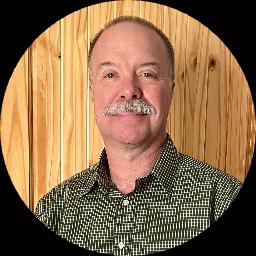
About Scott
Scott Wetherhold is an LPC, Licensed Professional Counselor, and an LMHC, Licensed Mental Health Counselor, with five years of clinical experience. He works with people facing stress, anxiety, trauma and abuse, depression, and social anxiety and phobia. He also addresses relationship strain, grief, anger, career concerns, and caregiver stress.
Scott prioritizes straightforward conversation and practical steps. He uses talk, reflection, and skill practice to help people notice patterns that make life harder. Sessions often focus on building coping tools and clearer ways to communicate when relationships feel strained.
His work draws on cognitive behavioral techniques to challenge unhelpful thoughts and acceptance and commitment ideas to clarify values and small action steps. Scott also uses client-centered listening to make space for a person's own goals and meaning. For people processing traumatic memories he includes EMDR work when appropriate.
He integrates questions about spiritual life when clients want that perspective included. That can mean looking at values, purpose, or how faith interacts with stress and recovery. Scott aims to help people develop steadier self-regard and more constructive daily habits.
Sessions tend to combine short-term skills with longer exploration of personal patterns. He helps people practice communication, manage panic or avoidance, and plan next steps for career or life changes. People who prefer clear, practical language may find his style easy to follow.
How his approaches translate to online work
Acceptance and Commitment Therapy (ACT) focuses on clarifying personal values and taking small actions that matter. Online sessions can help people notice avoidance, set value-based goals, and practice short behavioral steps between meetings. Cognitive Behavioral Therapy (CBT) targets thoughts and behaviors that keep anxiety or panic going. In remote sessions this often means practicing thought records, testing beliefs, and using brief in-session exercises to change responses.Finding the best approach is something he does with each client. Scott will talk about goals, day-to-day limits, and what methods feel most useful. Together they decide whether to emphasize CBT skills, ACT values work, client-centered reflection, or EMDR for trauma processing when it seems appropriate.
The original biography does not list which online formats are used, so confirm current session options before booking. Many people use online sessions to fit meetings into work breaks, reduce travel, or keep appointments when schedules change. Remote work can make it easier to practice skills between sessions and to maintain continuity when life is busy.
Areas of expertise
Also works with
Additional focus areas
Therapeutic approaches
Experience
5+ years
Listed in
Florida, Georgia, Colorado, Virginia
Languages
English
Frequently asked questions
What kinds of problems does he help with?
He works with stress, anxiety, depression, trauma and abuse, social anxiety and related concerns like panic and isolation.
What is his therapeutic style like?
He uses a direct, conversational style with skills practice and reflective listening to help people change patterns and try new behaviors.
How much experience does he have?
He has five years of clinical experience as an LPC and an LMHC across multiple states.
Where is he licensed and based?
He holds LPC and LMHC credentials and is located in Georgia.
Which languages are supported?
Sessions are offered in English and international clients are accepted.
What session formats are offered?
The original profile does not list specific session formats; confirm current session options before booking.
How does payment work?
Cost varies with location and sessions use a subscription that can be canceled at any time.
How do I begin a first session?
Use the See online therapy options button, complete a short matching questionnaire, and schedule a first session.