- CBT
- DBT skills
- EMDR informed
About Rachel
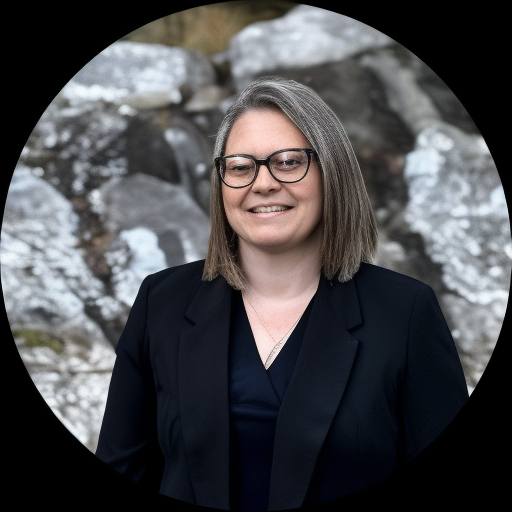
Rachel Hayes is a Licensed Professional Counselor (LPC) and a Licensed Clinical Professional Counselor (LCPC) with eight years of counseling experience. She lists work with depression, anxiety, relationship difficulties, eating concerns, trauma and substance use among her focus areas. Rachel works in Florida and conducts sessions in English.
Her approach centers on practical, talk-based work combined with skills practice. She uses client-centered techniques to listen and reflect what matters most to the person in front of her. Cognitive Behavioral Therapy (CBT) is used to spot thought patterns that feed anxiety or low mood and to try small behavior changes that can shift how someone feels.
Rachel also uses Dialectical Behavior Therapy (DBT) strategies to teach emotion regulation and distress-tolerance skills for intense moments. She lists Eye Movement Desensitization and Reprocessing (EMDR) and Motivational Interviewing as part of her toolkit for people processing trauma or struggling with motivation to change behaviors.
Her background includes work across inpatient and outpatient settings serving people with a wide range of concerns. That experience informs practical suggestions and structured skills work alongside conversational therapy. Sessions aim to be straightforward and focused on what the person wants to change.
To begin a working relationship she asks people to complete a short matching questionnaire and then schedule a first session. The practice uses a cancellable subscription model for sessions, with fees that vary by location.
How Rachel’s therapeutic approaches work online
Rachel uses Cognitive Behavioral Therapy to help people identify unhelpful thoughts and test small behavior changes. CBT sessions often include specific exercises, homework, and technique practice that can transfer well to online meetings.She also draws on Dialectical Behavior Therapy for emotion regulation and distress-tolerance skills. DBT-style work focuses on brief, practical tools to use when feelings are intense, which can be practiced and reviewed across online appointments.
Deciding which approach to use is a collaborative process. The therapist and client talk through current goals, symptoms, and preferences and then try methods that fit those aims. Adjustments are made over time based on what helps.
The original biography does not list which online session formats are used, so confirm the available options before booking. Online sessions can make it easier to fit therapy into a busy week, allow shorter check-ins when needed, and reduce travel time. Licensed professionals can guide the selection of pacing and techniques so sessions match everyday routines and goals.
Areas of expertise
Primary focus
Also works with
Additional focus areas
Therapeutic approaches
Experience
8+ years
Listed in
Colorado, Arizona, Nevada, Wyoming, Texas, Florida
Languages
English
Frequently asked questions
What kinds of concerns does she help with?
She works with depression, anxiety, relationship and intimacy-related issues, eating concerns, trauma and substance-related problems among other areas.
What is her therapy style like?
Her style is conversational and skills-focused, blending client-centered listening with structured CBT and DBT techniques.
How much experience does she have?
She has eight years of counseling experience working in inpatient and outpatient settings.
What credentials and location are listed?
She holds LPC and LCPC credentials and practices in Florida.
Are sessions available in other languages or countries?
Sessions are offered in English and international clients are accepted.
What formats are offered for sessions?
The original biography does not specify session formats; confirm current session options before booking.
How are sessions priced?
Cost varies by location and sessions use a subscription that can be canceled at any time.
How do I begin a first session?
Select the See online therapy options button, complete a short matching questionnaire, and schedule a first session.