- Stress and coping
- Social anxiety
- Trauma and grief
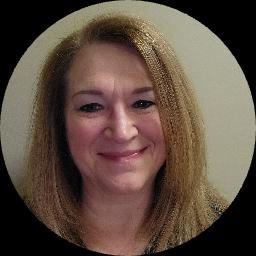
About Lynn
Lynn Bassett is a Licensed Clinical Social Worker (LCSW) with 12 years of experience in North Carolina. She works with people facing stress, anxiety, relationship strain, low self-esteem, depression, and life changes. Social anxiety and phobia are among the specific concerns she lists. She also addresses panic, trauma, grief, and issues related to attachment and abandonment.
Lynn begins by identifying a person's current strengths and goals. She and the client decide together whether to continue with therapy. If they move forward, they create a clear plan that focuses on practical steps and small changes.
In sessions she pays attention to the relationship between therapist and client. She aims to build trust and to be genuine and open in the room. That foundation guides the work that follows and shapes the pace of therapy.
Her approach focuses on helping people regain balance after loss, stressful transitions, or conflict in relationships. She talks through patterns that get in the way and looks for workable ways to reduce anxiety and depressive symptoms. She also helps people navigate caregiver strain, communication problems, and the fallout of separation or divorce.
Lynn draws on evidence-based therapeutic techniques to address mood and panic symptoms, post-traumatic stress, and feelings of isolation or shame. She supports women facing life changes and those wanting to build more self-love. Sessions are offered in English in North Carolina and do not extend to international clients.
How Lynn Uses Evidence-Based Techniques Online
She works from evidence-based therapeutic techniques that focus on clear, practical steps. One common approach is brief cognitive work that helps people notice unhelpful thoughts, test them, and try different behaviors to reduce anxiety and panic. This method is useful for social anxiety and panic attacks because it targets the thoughts and actions that keep fear alive.Another helpful strand focuses on trauma-informed care and grief work. This involves pacing conversations about painful events, building safety in sessions, and developing coping skills for intense memories or mood shifts. That approach supports people dealing with loss, post-traumatic stress, or the aftermath of difficult relationships.
Choosing an approach is a collaborative process. She will talk with each person about symptoms, goals, and preferences, and then suggest techniques to try. The plan can change as therapy progresses to fit what works best for the client.
Confirm the current session formats before booking, as they are not specified here. Online work can make it easier to fit therapy into a busy life - for example, shorter check-ins can be scheduled around work breaks, and sessions without video reduce bandwidth needs. Many people find that remote sessions let them maintain continuity of care while managing day-to-day obligations.
Areas of expertise
Primary focus
Additional focus areas
Experience
12+ years
Listed in
North Carolina
Languages
English
Frequently asked questions
What concerns does she treat?
She works with stress, anxiety, relationship problems, low self-esteem, depression, and life changes. Social anxiety and phobia are listed among her focus areas.
What is her approach in sessions?
She starts by identifying strengths and goals and then makes a plan with the client. The work focuses on practical steps to reduce symptoms and improve daily functioning.
How much experience does she have?
She has 12 years of clinical experience as a Licensed Clinical Social Worker.
What are her credentials and where is she based?
She is an LCSW licensed in North Carolina and offers services from that state.
In which languages can sessions be held?
Sessions are offered in English.
Can international clients work with her?
She does not accept international clients.
How are sessions billed?
Cost varies by location and sessions use a subscription model that can be canceled at any time.
How do I begin if I want to book?
Use the See online therapy options button, complete the short matching questionnaire, and schedule a first session.