- Client-centered work
- CBT and DBT skills
- Caregiver support
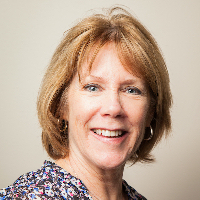
About Kathy
Dr. Kathy Cox is a Licensed Clinical Social Worker (LCSW) in California with 30 years of experience. She works with people facing stress, anxiety, trauma and abuse, grief, depression, compassion fatigue, addictions, relationship and family concerns, and social anxiety and phobia.
She uses an approachable, conversational style and focuses on identifying practical steps clients can try between sessions. Kathy draws on client-centered methods to listen and clarify what matters most. She also uses cognitive behavioral tools to break down stressful thoughts and DBT skills to help manage strong emotions.
Her background includes long clinical experience and time as a social work professor. She has written two books, one on social work practice and one on self-care for counselors. That combination of practice and teaching shapes a straightforward, skills-focused approach in sessions.
Sessions typically involve setting clear goals, trying small experiments, and reviewing what worked. Kathy pays attention to caregiver stress, aging and geriatric issues, adoption and foster care challenges, and substance-related concerns when those are part of a person’s story. She also helps with isolation, guilt and shame, and coping with life changes.
Outside of her practice, she enjoys yoga, swimming, and spending time with her dogs. She is widowed and the parent of three adult children. People who prefer calm, practical sessions often find her style easy to follow.
How her approaches translate to online work
Dr. Kathy Cox commonly uses client-centered therapy and cognitive behavioral therapy in her practice. Client-centered therapy emphasizes listening and helping the client set their own goals; it helps people clarify what matters and decide next steps. Cognitive behavioral therapy (CBT) focuses on identifying unhelpful thoughts and trying different behaviors to reduce stress and anxiety.Many people also learn DBT skills with her to manage strong emotions and improve coping. DBT offers practical techniques for distress tolerance and emotion regulation that can be practiced between sessions to handle social anxiety or anger more effectively.
Finding the right approach is part of the work together. She will collaborate with each person to choose which methods fit their needs, goals, and preferences, and she will adjust the focus as those needs change.
Specific session formats are not listed here, so confirm the available online options before booking. Online sessions can make it easier to fit therapy into a busy life - for example, shorter check-ins around work hours, swapping a camera session for a phone call if bandwidth is limited, or scheduling sessions from wherever it’s easiest to be undisturbed. These practical choices help people use therapy without rearranging their whole day.
Areas of expertise
Primary focus
Also works with
Additional focus areas
Therapeutic approaches
Experience
30+ years
Listed in
California
Languages
English
Frequently asked questions
What kinds of problems does she address?
She works with stress, anxiety, trauma and abuse, grief, depression, compassion fatigue, addictions, relationship and family concerns, and social anxiety and phobia.
How would sessions feel day to day?
Sessions are conversational and practical. They focus on clear goals, skill building, and small experiments to try between meetings.
How much clinical experience does she have?
She brings 30 years of clinical experience and time as a social work professor to her practice.
What credential does she hold and where is she based?
She is a Licensed Clinical Social Worker (LCSW) licensed in California.
In which language are sessions offered?
Sessions are offered in English.
Can international clients work with her?
She does not accept international clients at this time.
How does pricing work?
Cost varies with location and sessions use a subscription that can be canceled at any time.
What should I do to get started?
Click the See online therapy options button, complete a short matching questionnaire, and schedule a first session.