- Client-Centered Therapy
- Psychodynamic Therapy
- Solution-Focused Therapy
About Herschel
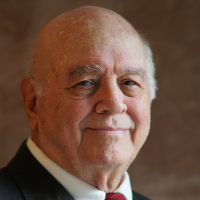
Dr. Herschel Pollard is an AR Psychologist (08-07P) with 58 years of experience. He works with stress, anxiety, relationship concerns, depression, coping with life changes, addictions, LGBT issues, trauma and abuse, grief, parenting challenges, anger, self-esteem, bipolar disorder, ADHD, and social anxiety and phobia.
He meets each person as an individual and looks at the specific problems they bring. Sessions focus on clear, practical steps and open conversation. He does not follow one single method; instead he selects approaches that fit the person and the problem.
Over nearly six decades of practice he has worked with a wide range of presentations and life stages. That experience informs how he notices patterns, points out options, and helps people weigh choices. He pays attention to how priorities shift over time and adjusts the plan accordingly.
In sessions he combines listening with concrete guidance. Sometimes the work digs into past patterns to understand how they affect current choices. At other times the focus is on building immediate skills to manage panic, social anxiety, or intense moods.
He frames therapy as a collaborative process. Goals are set together, reviewed, and revised as progress unfolds. People who prefer direct discussion about relationships, coping skills, or relapse prevention will find clear practical focus in his work.
Dr. Pollard practices in Arkansas and conducts sessions in English. His long practice is grounded in steady clinical experience rather than a single branded protocol.
Therapeutic approaches and online work
Dr. Pollard uses Client-Centered Therapy to focus on what matters to the person in front of him, listening closely and letting the client's concerns guide the work. This approach helps when someone needs help clarifying goals, sorting out feelings about social situations, or deciding next steps.He also uses Psychodynamic Therapy to look at recurring patterns that come from past relationships and shape current reactions. That approach can be useful for people who notice the same fears or conflicts repeating in social life, work, or relationships.
Finding the right approach is part of the process. The therapist will talk with each person about their needs, goals, and preferences and then suggest which methods to try. That decision is made together and can change as the work progresses.
Confirm the exact session options before booking as formats are not listed here. Online sessions can make it easier to fit therapy into a busy week, reduce travel time, or allow a shorter check-in when only a quick update is needed. Some people prefer working without video for lower bandwidth or quieter surroundings, while others choose full conversation when they want deeper, face-to-face interaction. Licensed professionals will help match meeting types to practical needs so sessions fit into everyday life.
Areas of expertise
Primary focus
Also works with
Additional focus areas
Therapeutic approaches
Experience
58+ years
Listed in
Arkansas
Languages
English
Frequently asked questions
What concerns does he support?
He supports a broad range of concerns including stress, anxiety, relationship difficulties, depression, trauma, grief, addiction, ADHD, and social anxiety and phobia.
What is his therapeutic style?
He adapts his approach to each person, using listening, discussion of past patterns, and practical skill building as needed.
How much clinical experience does he have?
He has 58 years of clinical experience working with many different issues and life stages.
What are his credentials and location?
He is an AR Psychologist (08-07P) and practices in Arkansas.
Which languages are supported?
Sessions are offered in English.
Can international clients work with him?
International clients are not currently accepted.
How does payment work?
Cost varies with location and sessions use a subscription that can be canceled at any time.
How do I begin a first session?
Select the See online therapy options button, complete a short matching questionnaire, and schedule a first session.