- Trauma-informed arts
- Cognitive behavioral tools
- Skills for anger
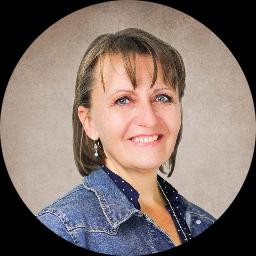
About Elizabeth
Elizabeth Harding is an LCSW with ten years of clinical experience based in Idaho. She works with people dealing with stress, anxiety, trauma and abuse, anger, depression, and ADHD, and she lists communication problems and social anxiety and phobia among her focus areas. She meets people who are worried about their child's behavior as well as caregivers who want strategies to help at home.
In sessions she helps people develop practical coping strategies they can use day to day. Her approach includes expressive arts that pay attention to trauma, cognitive behavioral techniques, dialectical behavioral ideas, solution-focused work, family-informed methods, and play-based work when appropriate. That mix is used to address emotions, behavior, and how people relate to others.
Her work often involves teaching skills for managing strong feelings, reducing anxious reactions, and improving communication at home. She aims to give simple tools clients can try between sessions and then adjust based on what helps most.
Elizabeth uses play and creative expression when it fits the person’s needs, especially with younger clients. She also uses structured exercises drawn from cognitive and behavioral approaches to reduce symptoms of anxiety and depression.
People who contact her typically start by describing current concerns and practical goals. From there she and the client plan short-term steps and strategies to practice outside sessions. This profile describes the kinds of support she offers and how she usually works with people in Idaho.
How therapeutic approaches are used in online sessions
Elizabeth uses a mix of evidence-based techniques and creative methods to address symptoms and daily functioning. Cognitive behavioral techniques focus on identifying unhelpful thoughts and testing new behaviors; these methods help with anxiety, low mood, and problem solving. Expressive arts with a trauma focus uses drawing, movement, or play to access feelings that are hard to say in words and can support processing difficult experiences and building new coping responses.Finding the right approach is part of the work. Elizabeth will collaborate with each person to decide which methods to try first based on goals, current concerns, and what feels doable. That means starting with small skills, checking what helps, and adjusting plans as needed.
Session formats are not specified in the biography, so confirm current online options before booking. Online sessions can make it easier to fit therapy into a busy week, allow shorter check-ins when needed, and reduce travel time. Licensed professionals can use a mix of creative exercises and structured skill practice in remote sessions, which helps people apply tools directly to their everyday routines.
Areas of expertise
Primary focus
Additional focus areas
Experience
10+ years
Listed in
Idaho, Utah
Languages
English
Frequently asked questions
What kinds of problems does she help with?
She works with stress, anxiety, trauma and abuse, anger, depression, and ADHD, and notes communication problems and social anxiety and phobia as additional focuses.
What is her therapy style like?
Her style mixes practical skill teaching with creative methods. Sessions can include skills practice, expressive arts, and structured exercises to address behaviors and emotions.
How much clinical experience does she have?
She has ten years of clinical experience working with a range of concerns including child behavior and caregiver support.
What are her credentials and where is she based?
She is an LCSW licensed in Utah and Idaho and practices from Idaho.
Does she offer sessions in other languages?
Sessions are offered in English.
Can international clients work with her?
She does not accept international clients at this time.
How are sessions arranged and what do they cost?
Cost varies with location and sessions use a subscription that can be canceled at any time.
How do I begin working with her?
Use the See online therapy options button, complete the short matching questionnaire, and schedule a first session.