- Stress and anxiety
- Addictions support
- Relationship issues
About Deborah
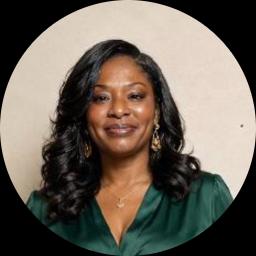
Deborah Gary is a New York Licensed Mental Health Counselor (LMHC) with 17 years of experience. She works with people who are dealing with stress, anxiety, addictions, relationship and family concerns, trauma, and abuse. She also lists social anxiety and phobia among her focus areas.
She speaks plainly and focuses on practical conversation. Sessions look at what is happening now and what gets in the way of daily functioning. Deborah helps people name problems, try small changes, and notice what works. The first meeting usually covers current concerns and immediate coping steps.
Her background includes many years helping people manage trauma, post-traumatic stress, and issues tied to grief and end-of-life care. She also supports those coping with guilt, shame, isolation, and problems around communication or control. Work can include talking through relationship strain, separation or divorce, and needs that arise for first responders.
Deborah adapts her approach to the person in front of her. She explains options and offers practical tools to test between sessions. Clients may practice new ways of handling social situations, work on self-acceptance, or develop routines to reduce anxiety and cravings.
Sessions are conducted in English and Deborah accepts international clients. Payment uses a subscription model that can be canceled at any time, and fees vary with location. To begin, clients complete a short matching questionnaire and schedule a first session via the website button.
How her approaches translate to online work
Deborah describes her work as practical and focused on what helps in daily life. Cognitive-style approaches break down unhelpful thoughts and test new behaviors to reduce anxiety and avoidance. These methods are useful for social anxiety and phobia because they encourage gradual exposure to feared situations and simple experiments to change reactions.Trauma-focused techniques pay attention to past events that continue to affect current responses. In online sessions this can mean pacing conversations, working on grounding skills, and building resources before addressing deeper memories. Both approaches aim to give concrete tools people can use between meetings.
Finding the right approach is part of the work together. The therapist will review your needs, goals, and preferences and recommend methods to try. That decision is collaborative and can change as you learn what helps.
Confirm current session formats before booking. The practical advantages of online meetings include fitting sessions into a busy day, shorter check-ins when time is limited, and choosing quieter surroundings that reduce distraction. These features can make regular work on anxiety and phobia easier to sustain.
Areas of expertise
Primary focus
Additional focus areas
Experience
17+ years
Listed in
New York
Languages
English
Frequently asked questions
What concerns does she work with?
She helps people with stress, anxiety, addictions, relationship and family concerns, trauma and abuse, and social anxiety and phobia.
What is her approach in sessions?
She uses plain, practical conversation to identify problems and try small changes between sessions.
How much experience does she have?
She has 17 years of professional experience as a clinician.
What credential does she hold and where is she based?
She is an LMHC licensed in New York and practices from that location.
Which languages are supported?
Sessions are offered in English.
Can people outside the US work with her?
She accepts international clients.
How are sessions paid for?
Sessions use a subscription that can be canceled at any time and fees vary with location.
How do I begin if I want to work with her?
Select the See online therapy options button, complete a short matching questionnaire, and schedule a first session.