- CBT approaches
- DBT skills
- Solution-focused work
About David
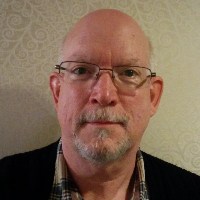
Dr. David Wilcox is a Florida-licensed mental health counselor (LMHC) with 34 years of clinical practice. He works with people dealing with stress, anxiety, relationship strain, trauma and abuse, parenting challenges, and depression. He uses straightforward talk and practical strategies to address current problems.
He has a long history of trauma-related work, including helping people who cope with intrusive memories and feelings. He also helps loved ones understand trauma dynamics so relationships are clearer and communication improves. When substance misuse appears as a coping strategy, he addresses that alongside the traumatic reactions.
Dr. Wilcox draws on several therapy methods to shape sessions. He uses cognitive behavioral tools to identify unhelpful thinking and behavior patterns. He draws on solution-focused techniques to set clear short-term goals and keep sessions action-oriented.
He also integrates ideas from the stages-of-change model to support shifts in behavior, and from humanistic-existential thinking to address meaning and values when relevant. He sees problems as arising across biological, psychological, social, and spiritual areas, and works through whichever area is most useful at the time.
Sessions aim to be practical and clear. The focus is on what feels most helpful now, with steps to try between meetings. Dr. Wilcox practices in Florida and conducts work in English.
Approaches used online and how they fit daily life
CBT, or cognitive behavioral therapy, focuses on spotting unhelpful thoughts and testing new behaviors. It often involves practical exercises and short assignments to try between sessions, which can be reviewed in later meetings.DBT, dialectical behavior therapy, includes skill-building for regulating strong emotions and improving interpersonal effectiveness. Those skills can be practiced in real situations and then discussed with the therapist to refine what works.
Finding the right approach is part of the work together. The therapist will talk with the client about goals, daily demands, and what feels acceptable, then suggest one or more methods to try. Decisions about methods are collaborative and can change as needs shift.
Confirm the current session formats before booking, since format details are not listed here. Online sessions can make it easier to fit therapy into a busy week, reduce travel time, and allow shorter check-ins when schedules are tight. They also make it possible to work from a quieter spot or to avoid having to be seen on camera if that helps with focus or comfort.
Areas of expertise
Primary focus
Additional focus areas
Therapeutic approaches
Experience
34+ years
Listed in
Florida
Languages
English
Frequently asked questions
What concerns does he commonly address?
He works with stress, anxiety, relationship strain, trauma and abuse, parenting issues, and depression, plus related topics like substance misuse and caregiver stress.
What is his therapy style like?
He uses practical, talk-based sessions that focus on current problems and steps to try between meetings.
How much experience does he have?
He has been practicing professional counseling since 1991, giving him 34 years of experience.
What are his credentials and where is he based?
He is a Florida LMHC and practices in Florida.
Which languages are supported?
Sessions are offered in English.
Can people outside the U.S. work with him?
He does not accept international clients at this time.
How are fees handled?
Cost varies by location; sessions use a subscription model that can be canceled at any time.
How do I begin a first session?
Use the See online therapy options button, complete the short matching questionnaire, and schedule a first session.