- CBT methods
- Client-centered work
- Solution-focused goals
About David
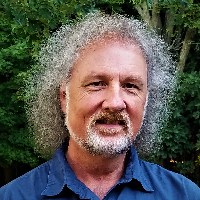
David Kurfman is a licensed mental health counselor - LMHC - and licensed professional counselor - LPC - practicing in Indiana with 35 years of experience. He focuses on concerns such as stress, anxiety, social anxiety and phobia, mood disorders, trauma and family problems. He also works with people facing grief, addictions, parenting strain, ADHD, and coping with major life changes.
He uses a practical, person-focused approach in sessions. Conversations look at current struggles and also patterns that repeat over time. He helps people learn concrete coping skills and ways to change unhelpful thoughts and behaviors. Sessions are neither rushed nor overly technical; the emphasis is on clear steps and steady progress.
David draws on Cognitive Behavioral Therapy to address thinking patterns and behaviors that keep problems going. He also uses Client-Centered Therapy to follow what each person brings to the room and Solution-Focused Therapy to set realistic short-term goals. Psychodynamic ideas are used when looking at long-term patterns that affect current feelings and relationships.
People who come for help with panic, anger, or persistent low mood receive a mix of skill building and reflective work. He helps with forgiveness, guilt, and self-esteem by combining practical strategies with exploration of past influences. For those dealing with adoption, foster care issues, or intellectual disability concerns, he prioritizes clarity and plain language.
Sessions are offered in English. International clients can be considered. Before scheduling, confirm the available session formats and any subscription details so the logistics fit daily life.
How his approaches translate to online sessions
Client-Centered Therapy focuses on listening and following what the person brings up. Online sessions using this approach involve open conversation and reflective feedback to help clarify feelings and priorities.Cognitive Behavioral Therapy is about identifying unhelpful thoughts and testing new behaviors. In online work this often means setting small between-session tasks, tracking mood and behavior, and practicing skills during or after a session.
Psychodynamic ideas look at longer-term patterns that affect current reactions. When used online, this looks like mapping recurring themes and noticing how past relationships influence present life.
Finding the right approach is part of the work. He will talk with each person about goals, preferences, and what feels most useful. That conversation helps shape whether sessions lean toward skills practice, goal setting, or deeper reflection.
The original biography does not list specific session delivery methods. Confirm the available online session formats before booking so arrangements fit daily life. Online work can make it easier to fit therapy around work, family, or travel, and it can allow brief check-ins or longer weekly sessions depending on need.
Areas of expertise
Primary focus
Also works with
Additional focus areas
Therapeutic approaches
Experience
35+ years
Listed in
Indiana, Tennessee
Languages
English
Frequently asked questions
What kinds of problems does he help with?
He works with stress, anxiety including social anxiety and phobia, depression, trauma, grief, and related issues like addictions and ADHD.
What is his approach in sessions?
Sessions combine practical skill teaching with conversational exploration. He uses CBT, Client-Centered, Solution-Focused, and some psychodynamic ideas depending on need.
How much experience does he have?
He has 35 years of clinical experience working with a broad range of emotional and behavioral concerns.
What are his credentials and where is he based?
He is credentialed as LMHC and LPC and practices in Indiana.
Which languages are supported and can international clients connect?
Sessions are offered in English, and international clients are accepted.
What session formats are offered?
The original biography does not list specific session formats. Confirm current session options before booking to know whether video, phone, or other formats are available.
How does payment or cost work?
Cost varies with location; sessions use a subscription model that can be canceled at any time.
How do I begin if I want to work together?
Select the See online therapy options button, complete a short matching questionnaire, and schedule a first session.