- Stress and anxiety
- LGBTQ+ related issues
- Social anxiety support
About Brandon
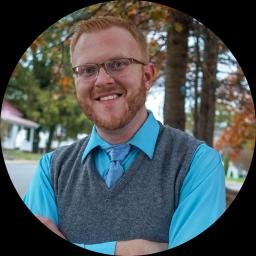
Brandon Ostwalt is a Licensed Clinical Mental Health Counselor (LCMHC) in North Carolina with nine years of professional experience. He works with people who are dealing with stress, anxiety, LGBTQ+ concerns, trauma and abuse, bipolar disorder, and depression. He also focuses on communication problems, forgiveness, mood disorders, post-traumatic stress, and social anxiety and phobia.
Brandon aims to make therapy a straightforward place to talk about what is on your mind. Sessions focus on clear conversation about thoughts and feelings and on practical steps to reduce distress. He encourages honest feedback so people can try approaches that fit their life.
In sessions he listens for patterns that keep problems cycling and looks for small changes that make daily life easier. That might mean practicing ways to manage anxiety, rehearsing social situations, or working through difficult memories at a steady pace. He explains ideas in plain language and checks that each step is understood.
Brandon tailors the pace to each person. Some weeks are focused on short skills and coping ideas. Other weeks look more deeply at past events and how they shape current struggles. He invites questions and adjusts plans when needed.
People who reach out should expect direct conversation and clear next steps after each meeting. His approach aims to help people feel more capable managing stress and social situations, and to make measurable changes in day-to-day behavior.
Therapeutic approaches and online sessions
Brandon draws on evidence-based therapeutic techniques that focus on practical skills and gradual change. Cognitive approaches help people notice and test unhelpful thoughts that fuel anxiety and low mood, and then practice alternative thinking that can change reactions. Exposure-based work involves slowly facing feared social situations or reminders of trauma in manageable steps to reduce avoidance and build confidence.Finding the right approach is part of the work together. The therapist will discuss goals, preferences, and how different methods fit your needs, and will adjust the plan collaboratively as progress is reviewed.
The site notes how to get started but does not list specific session formats here, so confirm current session options before booking. Online sessions can make it easier to fit therapy into a busy week, allow for shorter check-ins when needed, and remove travel time so meetings are more convenient. Therapists and licensed professionals can also use online meetings to practice social skills in realistic scenarios and to support steady progress between sessions.
Areas of expertise
Primary focus
Additional focus areas
Experience
9+ years
Listed in
North Carolina
Languages
English, American Sign Language
Frequently asked questions
What concerns does he address?
He works with stress, anxiety, LGBTQ+ related issues, trauma and abuse, bipolar disorder, and depression, with additional focus on social anxiety and phobia.
How does he approach therapy sessions?
He uses plain language and direct conversation, focusing on identifying patterns and practicing steps to reduce distress.
How much experience does he have?
He has nine years of professional experience as a counselor.
What are his credentials and where is he based?
He is an LCMHC licensed in North Carolina.
Which languages are offered for sessions?
Sessions are offered in English and American Sign Language.
Can international clients work with him?
He does not accept international clients at this time.
How do fees and payments work?
Cost varies with location and sessions use a subscription model that can be canceled at any time.
What should I do to begin?
Select the See online therapy options button, complete the short matching questionnaire, and then schedule a first session.